
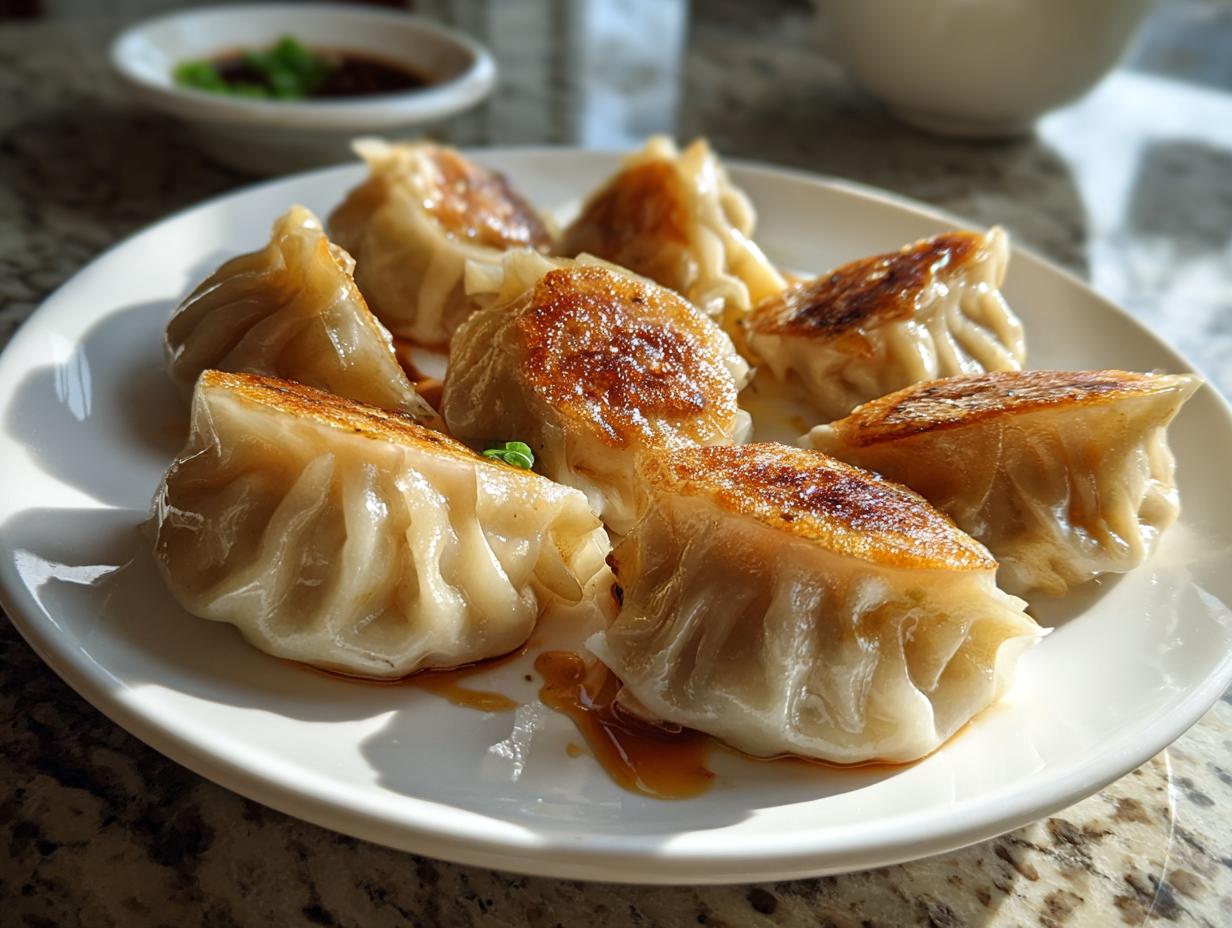

I’ll never forget the first time I tried my hand at making Traditional Chinese Dumplings in that tiny Beijing alleyway kitchen. My mentor, Mrs. Liang, rolled the dough so effortlessly between her fingers, chiding me when my pleats looked more like sad little pinches than the elegant crescents she crafted. “This isn’t just food,” she’d say, slapping another perfect dumpling onto the tray. “This is happiness wrapped in dough.” That lesson stuck—now my freezer’s always stocked with these jiaozi, especially around Lunar New Year when every fold feels like tucking good fortune inside. What makes them genius? You can prep dozens in one go (seriously, it’s the ultimate meal planning hack) and boil straight from frozen when midweek laziness hits. The cabbage stays crisp, the pork juicy, and the smell—oh, that garlic-ginger aroma—transports me right back to Mrs. Liang’s stove.
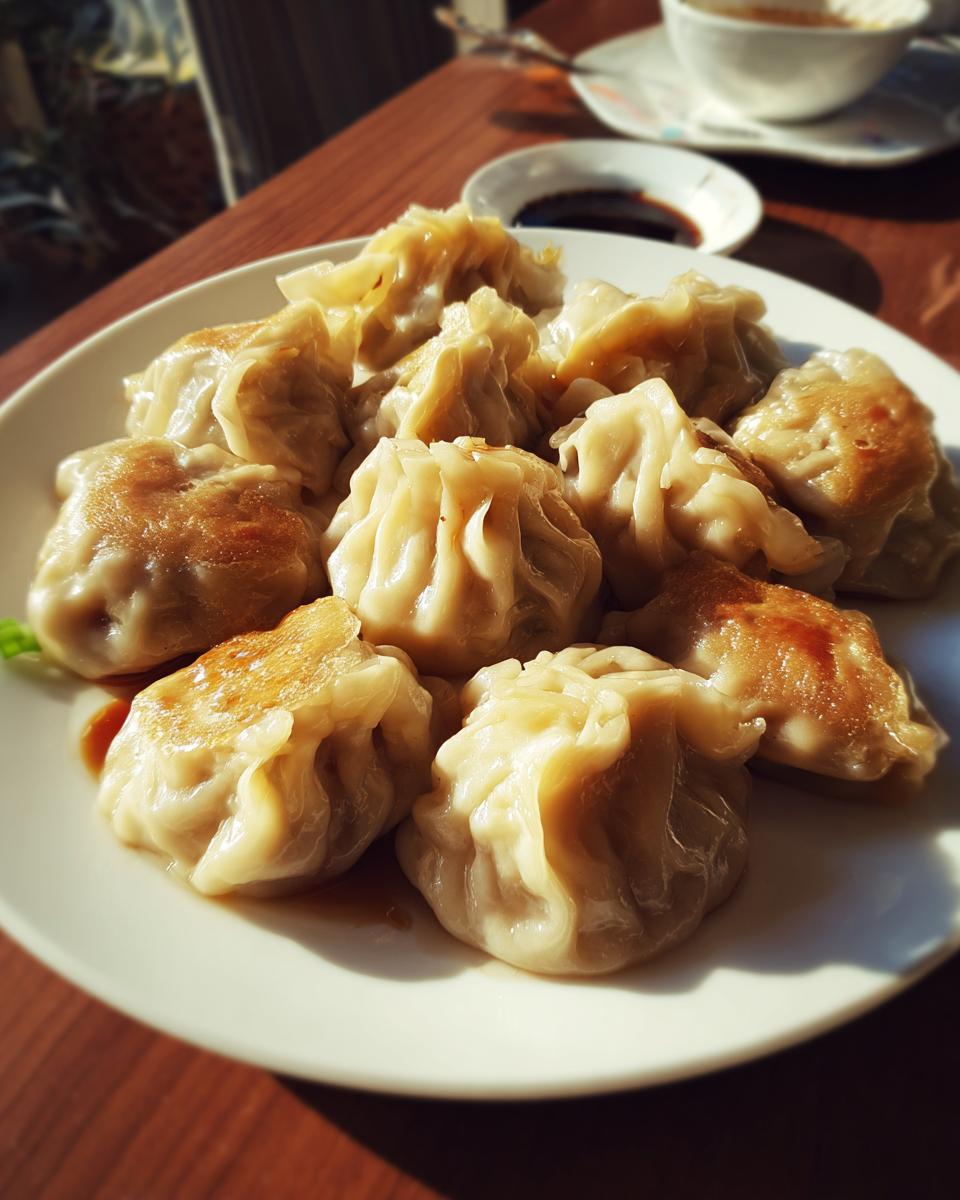
Why You’ll Love These Traditional Chinese Dumplings
Let me tell you why these dumplings became my go-to recipe for everything from Lunar New Year feasts to desperate weeknight dinners:
- That unbeatable homemade taste: Skip the bland takeout versions—these have the real-deal garlic-ginger punch and juicy pork texture you only get from scratch.
- Wrappers worth bragging about: Store-bought versions can’t compete with the slight chew of fresh dough (and hey, kneading’s weirdly therapeutic after a long day).
- Freezer magic: I stash dozens like edible savings bonds—boil straight from frozen when my meal planning fails spectacularly (which happens more than I’d like to admit).
- Two-for-one tradition: Equally at home ringing in Lunar New Year and rescuing Tuesday nights when motivation’s MIA.
Trust me, once you’ve had these, the frozen aisle dumplings will taste like sad little dough pillows in comparison.
Ingredients for Traditional Chinese Dumplings
Okay, let’s gather our dumpling toolkit! I’ve learned the hard way that skimping on quality here makes a huge difference—especially with something as simple as soy sauce. Here’s everything you’ll need, split into two fuss-free groups:
For the Dough
- 2 cups all-purpose flour (plus extra for dusting—this dough gets sticky!)
- 3/4 cup water (room temp works best; too hot and you’ll cook the flour, too cold and it won’t come together)
For the Filling
- 1/2 lb ground pork (look for 80/20 fat ratio—trust me, lean pork makes dry dumplings)
- 2 cups finely chopped cabbage (I slice it thin like confetti, then give it a quick salt massage to soften)
- 2 cloves garlic, minced (none of that jarred stuff—fresh is non-negotiable)
- 1 tbsp ginger, grated (pro tip: freeze your ginger root first—it grates like a dream)
- 1 tbsp soy sauce (splurge on a bottle labeled “naturally brewed”—it’s deeper and less salty)
- 1 tsp sesame oil (that nutty aroma is 90% of the magic)
- 1/2 tsp salt (I use kosher—it distributes better than table salt)
- 1/4 tsp black pepper (freshly ground if you’ve got it)
See that sesame oil note? Mrs. Liang would smack my wrist with a chopstick if I tried using the cheap, flavorless kind. These ingredients together create that unmistakable jiaozi taste—earthy, savory, and just complex enough to keep you reaching for “one more.”
How to Make Traditional Chinese Dumplings
Alright, let’s turn these ingredients into dumpling magic! I promise it’s easier than you think – my first batch looked like lumpy little monsters, but now I can crank these out while binge-watching cooking shows. Here’s exactly how to do it, with all the little tricks Mrs. Liang taught me:
- Make the dough: Dump your flour in a big bowl and gradually mix in water. It’ll look shaggy at first – totally normal. Knead for 5 full minutes (set a timer!) until it’s smooth like a baby’s cheek. Pro tip: Cover with a damp towel and let it rest for 30 minutes. This relaxes the gluten and makes rolling WAY easier.
- Prep the filling: While the dough chills, mix all filling ingredients in a bowl. Here’s the fun part – get in there with your hands! Squish everything together until it’s homogenous. The cabbage should look glossy from the oils and sauces.
- Roll your wrappers: Pinch off walnut-sized dough balls. Use a rolling pin to flatten them into 3-inch circles (don’t worry about perfect rounds – rustic is charming!). Keep unused dough under that damp towel so it doesn’t dry out.
Mastering Dumpleting Pleats
Here’s where first-timers panic, but relax – even messy pleats taste amazing! Place a teaspoon of filling in the center of your wrapper. Fold in half and pinch the top center. Now make small folds towards the center from one side, then the other. Start with just 3-4 pleats per side – you’ll work up to fancy numbers later. The key? Squeeze those edges tight so they don’t burst when boiling. (Psst – need visuals? Check our video tutorial for a “pleat-along” guide!)
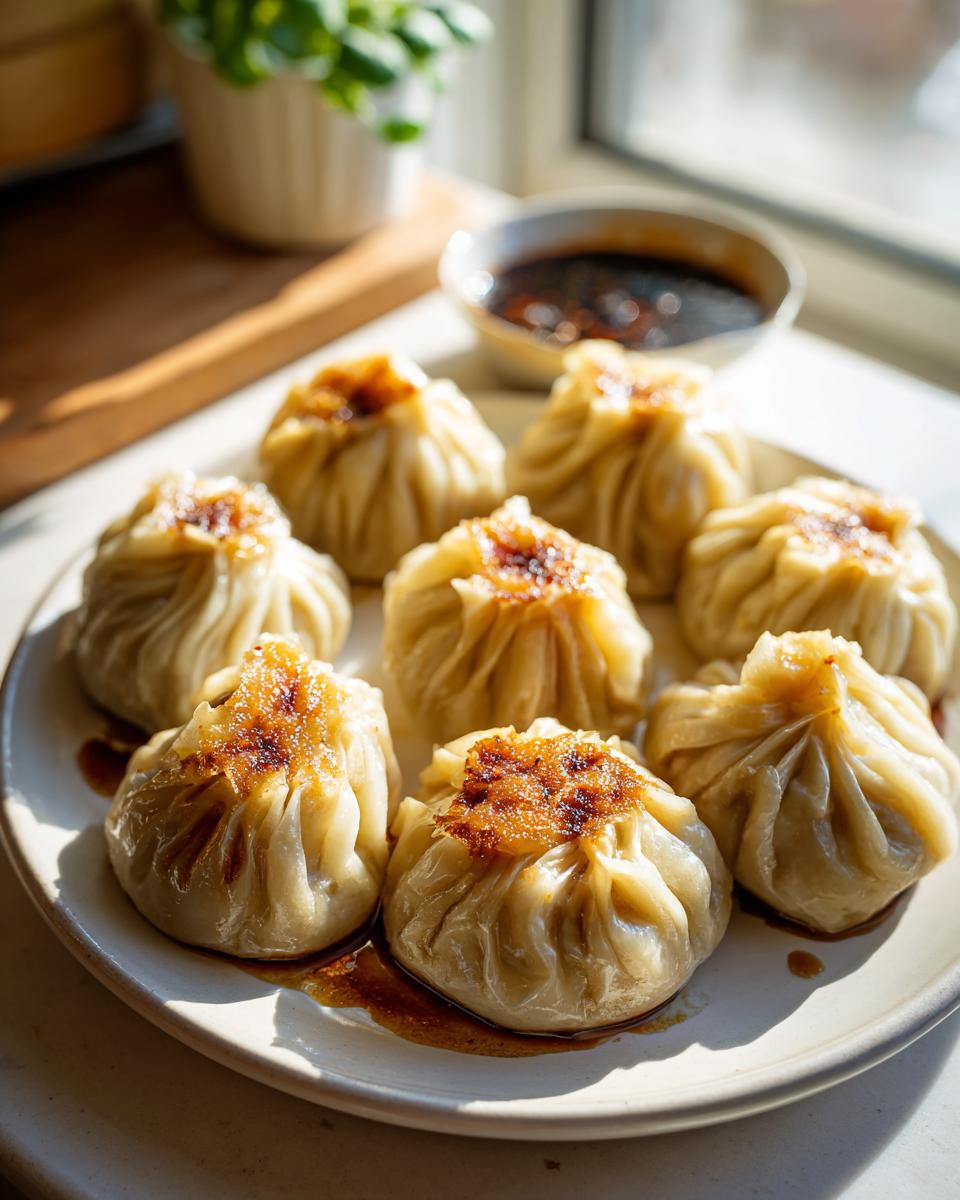
- Boil to perfection: Bring a big pot of water to a rolling boil. Gently drop in dumplings (don’t overcrowd – work in batches if needed). They’ll sink at first – that’s fine. After 5-7 minutes, they’ll float proudly to the surface looking all plump and happy. That’s your cue – fish them out with a slotted spoon!
See? Not nearly as scary as it seems. And when those first perfect dumplings pop up in the boiling water? Pure kitchen victory right there.
Serving and Storing Traditional Chinese Dumplings
You’ve boiled up a batch of gorgeous dumplings—now let’s talk about making them shine even brighter. My Beijing mentor served hers with a simple soy-vinegar sauce (equal parts each, with a drizzle of chili oil if you’re feeling bold). But here’s my little twist: I add a pinch of sugar and grate in some fresh ginger. The sweetness balances that salty tang perfectly.
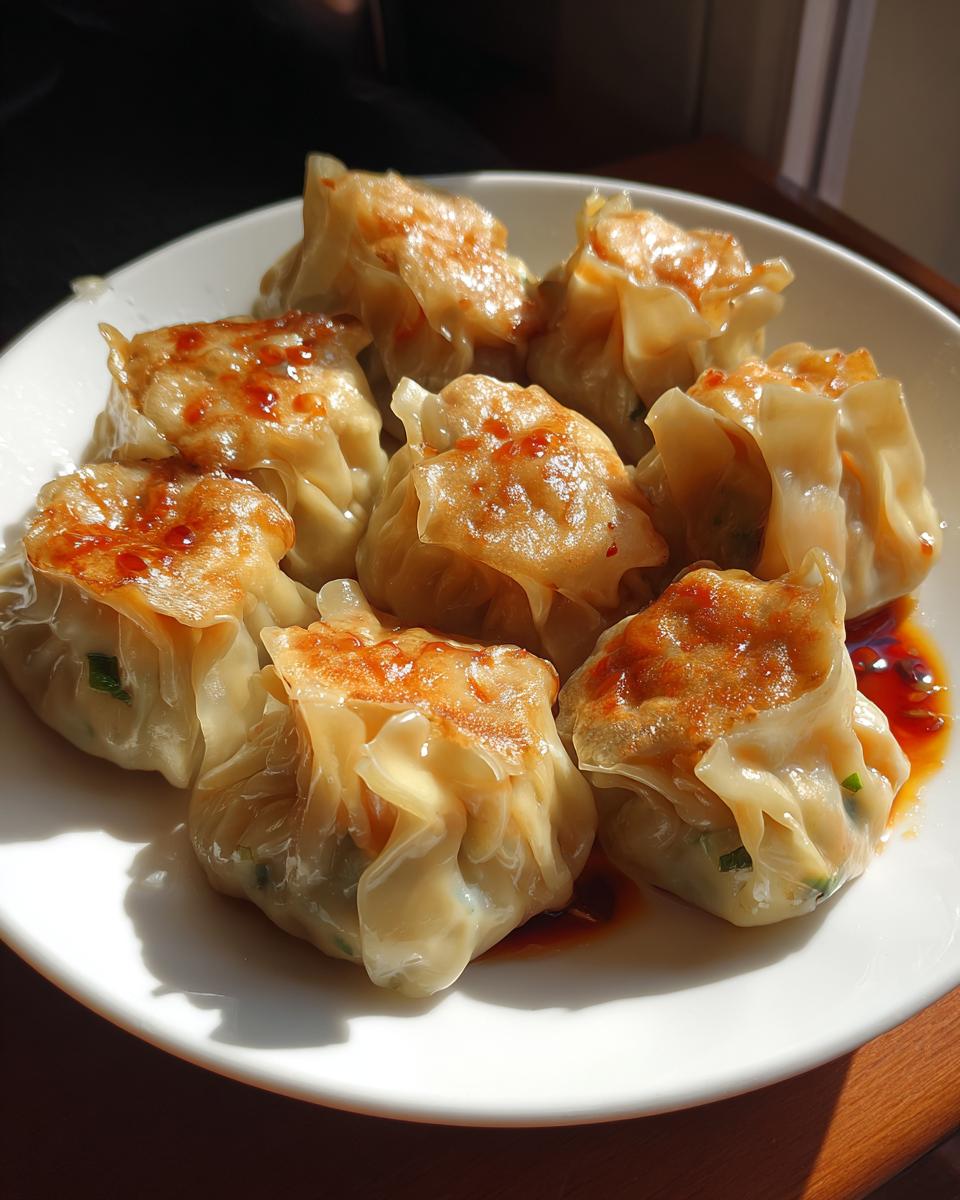
Now for the real mealtime MVP move: freezing! Lay your uncooked dumplings in a single layer on a parchment-lined baking sheet—don’t let them touch or they’ll stick like glue. Pop the whole tray in the freezer for 2 hours until rock solid, then transfer to freezer bags. Label with the date (they’ll keep for 3 months, but I promise they won’t last that long). When hunger strikes, boil them straight from frozen—just add an extra minute or two to the cooking time. They’ll float up perfectly plump every time.
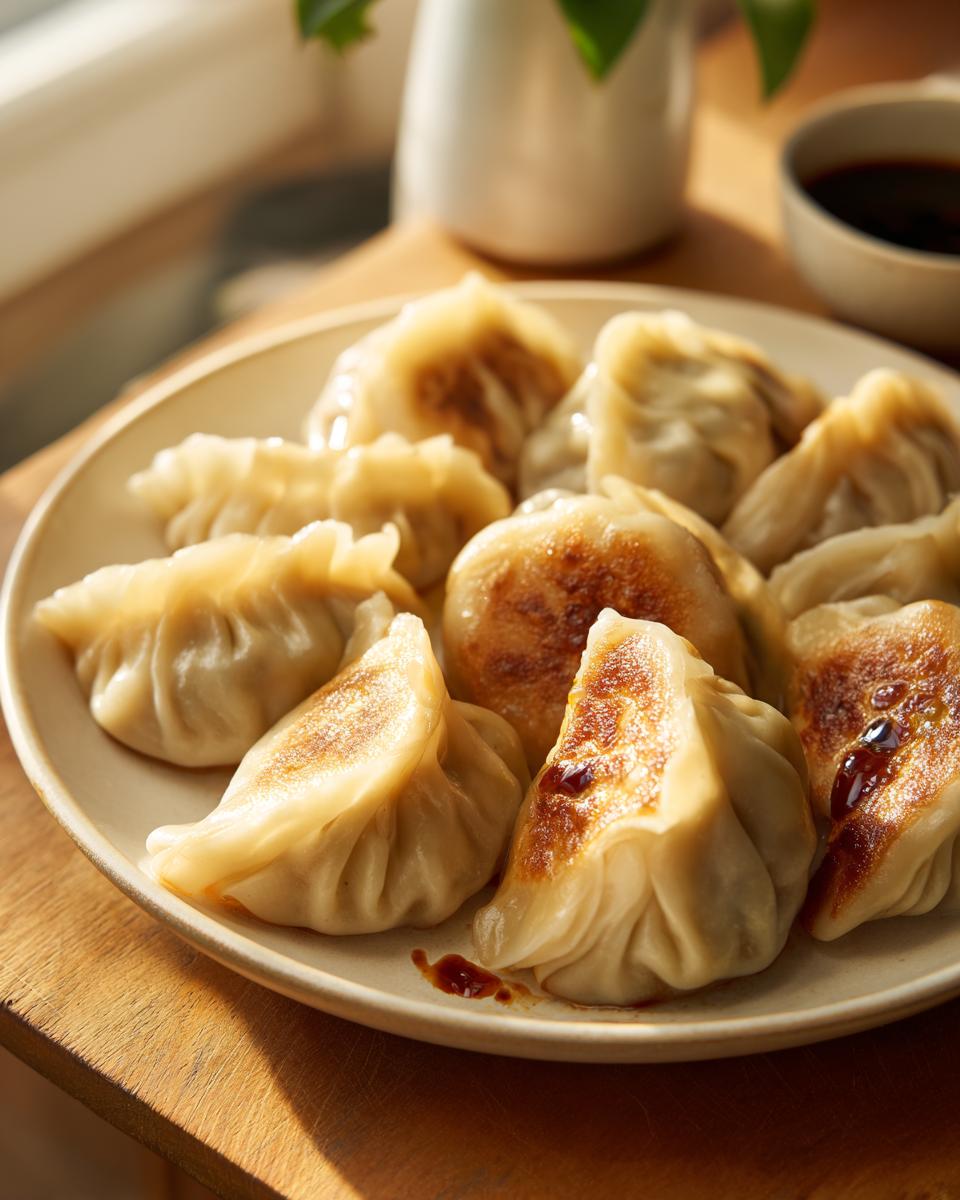
Pair them with stir-fried bok choy or a crunchy cucumber salad for a gluten-free feast that feels restaurant-worthy. Honestly? I’ve been known to eat them straight from the pot while leaning over the sink—no judgement here!
Traditional Chinese Dumplings FAQ
Got dumpling questions? I’ve burned through enough flour bags and had enough filling explosions to answer them all! Here’s what newbies ask most:
Can I use store-bought wrappers?
Absolutely—I won’t judge! (Okay, maybe a little.) They’ll save time, but homemade dough gives that perfect chewy bite authentic jiaozi are famous for. If you’re in a rush, look for round “dumpling wrappers” in the refrigerated Asian aisle—not wonton skins, which are too thin.
How long do pork cabbage dumplings last frozen?
Three glorious months if sealed tight! Freeze them raw (never cooked) on that baking sheet first—skip this step and you’ll end up with a dumpling iceberg. Pro tip: Write the date in Sharpie. At month four, they’re still safe but lose that fresh-cabbage crunch.
Can I make them gluten-free for meal planning?
Yes! Swap all-purpose flour with a gluten-free blend (adding 1/4 tsp xanthan gum helps elasticity). For the soy sauce, use tamari—it’s darker and richer than most GF alternatives. The texture changes slightly, but they’ll still disappear fast!
Why did my boiled dumplings burst?
Two culprits: overstuffing (a teaspoon max!) or bad seals. Run a damp finger along the wrapper edge before pleating—it acts like glue. If they still split, lower them into gently boiling water instead of a rolling boil turbulence.
See? Even “failures” teach you something. Now go forth and pleat with pride!
Nutritional Information
Let’s talk numbers—because knowing what’s in your dumplings makes that second (or third) helping feel totally justified. Per serving of 5 plump jiaozi, you’re looking at:
- 250 calories (perfect for meal planning portions)
- 12g protein (hello, muscle fuel!)
- 35g carbs (not too shabby for weight loss programs aiming for balance)
- 8g fat (mostly the good kind from pork and sesame oil)
Values are estimates and vary by ingredients—that extra teaspoon of sesame oil I always sneak in might bump things up a smidge. But with this protein-to-carb ratio? They’re shockingly waistline-friendly for something that tastes downright decadent.
Share Your Dumpling Creations
Now it’s your turn! Snap a photo of your dumpling masterpieces (or happy accidents—we’ve all been there) and tag @GourmetGaze so I can cheer you on. Did you stick to the classic pork-cabbage combo or get creative with the filling? Tell me your favorite Lunar New Year food traditions or how you’re working these into your meal planning rotation. Nothing beats hearing how these little dough pockets bring joy to your kitchen!
PrintTraditional Chinese Dumplings
Authentic pork and cabbage dumplings with homemade wrappers, perfect for Lunar New Year or weeknight meals.
- Prep Time: 45 min
- Cook Time: 10 min
- Total Time: 55 min
- Yield: 4 servings 1x
- Category: Dinner
- Method: Boiling
- Cuisine: Chinese
- Diet: Low Lactose
Ingredients
- 2 cups all-purpose flour
- 3/4 cup water
- 1/2 lb ground pork
- 2 cups finely chopped cabbage
- 2 cloves garlic, minced
- 1 tbsp ginger, grated
- 1 tbsp soy sauce
- 1 tsp sesame oil
- 1/2 tsp salt
- 1/4 tsp black pepper
Instructions
- Mix flour and water to form a dough. Knead for 5 minutes, then rest for 30 minutes.
- Combine pork, cabbage, garlic, ginger, soy sauce, sesame oil, salt, and pepper in a bowl.
- Roll dough into small circles, about 3 inches in diameter.
- Place a spoonful of filling in the center of each wrapper.
- Fold and pleat the edges to seal the dumplings.
- Boil in water for 5-7 minutes until they float to the surface.
- Serve hot with dipping sauce.
Notes
- Freeze uncooked dumplings on a tray before transferring to a bag for storage.
- Use a damp cloth to keep wrappers from drying out while working.
Nutrition
- Serving Size: 5 dumplings
- Calories: 250
- Sugar: 1g
- Sodium: 300mg
- Fat: 8g
- Saturated Fat: 3g
- Unsaturated Fat: 4g
- Trans Fat: 0g
- Carbohydrates: 35g
- Fiber: 2g
- Protein: 12g
- Cholesterol: 30mg