
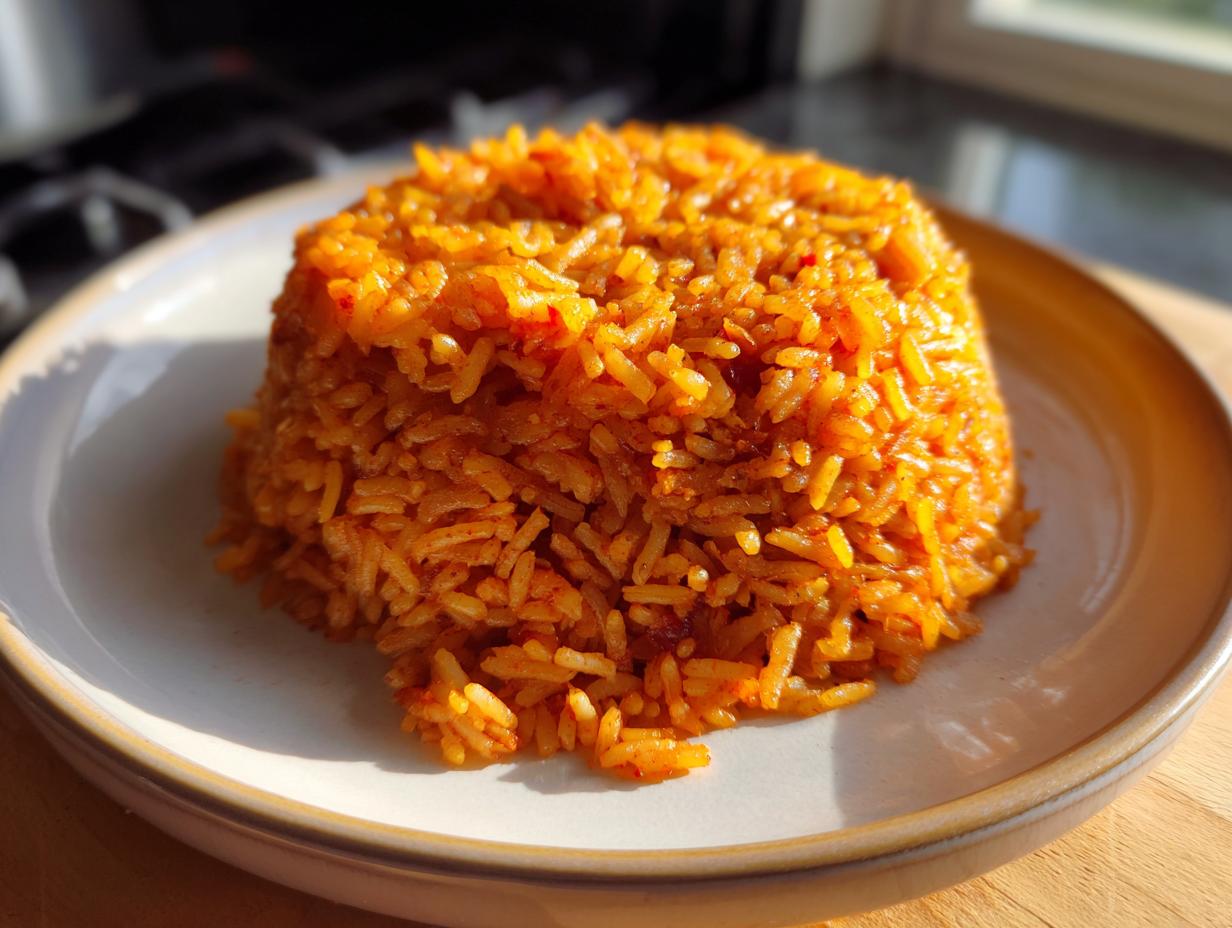

If there’s one dish that instantly transforms a simple dinner into a vibrant celebration, it has to be Jollof Rice. When I left the world of spreadsheets behind to dedicate myself to flavor, mastering this iconic West African staple became a personal mission. Forget bland rice; we are chasing that deep, unmistakable, smoky flavor that defines authentic Nigerian Party Jollof Rice. It took months of trial and error in my own kitchen, but I finally landed on a technique that yields perfectly separate, fluffy grains every single time. This isn’t just another recipe; it’s the centerpiece your table deserves. For more of my culinary adventures, feel free to explore my latest posts here.
- Why This Authentic Jollof Recipe Delivers Party Perfection
- Ingredients for Your Ultimate Nigerian Jollof Rice
- How to Prepare Jollof Rice: Step-by-Step Instructions
- Tips for the Best Jollof Rice Technique
- Serving Suggestions for Your Flavorful Rice Sides
- Storage and Reheating Instructions for Jollof Rice
- Frequently Asked Questions About Jollof Rice
- Nutritional Estimates for This Jollof Rice
- Share Your Experience Making This Jollof Rice
Why This Authentic Jollof Recipe Delivers Party Perfection
This authentic Jollof recipe isn’t just about following steps; it’s about hitting specific sensory targets that scream “celebration.” You need that vibrant red color, that unmistakable aroma, and, most importantly, a texture that lets you know you’re eating the real deal. I spent weeks figuring out how to bottle that party energy into a single pot, and I’m excited to share why this specific path ensures success, whether you’re planning a huge gathering or just want an incredibly satisfying weeknight companion. If you’re interested in other centerpiece meals, check out my take on Easy Chicken Pot Pie Casserole.
- It creates that deep, signature smoky flavor that separates good Jollof from legendary Jollof.
- It guarantees individual, fluffy rice grains—bye-bye to mushy dinners!
- It’s streamlined for big batches, making it perfect for your next party.
The Secret to Smoky Jollof Rice Flavor
Listen, the secret to that coveted smoky essence comes directly from the base preparation. It’s a trick I picked up early on when I was exploring traditional West African Rice Dishes: you have to fry the tomato portion of your base until it darkens and the oil separates. I’m talking about letting the stew simmer uncovered until it really reduces down. The experienced cooks I learned from emphasized that this process concentrates the sweetness and imparts that deep, haunting smoky profile that defines a truly great Smoky Rice Recipe. It’s hard work, but it’s worth every minute.
Achieving Fluffy Rice Method Every Time
The biggest fear people have with jollof rice is ending up with glue instead of grains. To deploy the foolproof Fluffy Rice Method, we rely heavily on quality ingredients and technique. First, use long-grain parboiled rice—it’s designed to hold its structure. Second, after you rinse them thoroughly, those grains must be coated perfectly in the stew before the liquid goes in. Then, the cardinal rule: once the liquid is added and it boils, you cover it tight and you do not lift that lid until the final steaming period. That trapped steam cooks the grain evenly without mushing it.
Ingredients for Your Ultimate Nigerian Jollof Rice
When I finally nailed the perfect jollof rice, I realized it wasn’t about complicated steps; it was about respecting the core components. This recipe relies on fresh power—fresh peppers, fresh tomatoes—and specific pantry staples that elevate this beyond just a simple Tomato Based Rice side dish. Think of these ingredients as the foundations of a stunning piece of architecture; get them right, and the structure holds beautifully.
Here is exactly what you need to gather before you step up to the stove. Trust me, having everything prepped makes this process feel less like cooking and more like assembling magic, which is important when tackling African Cuisine Staples. If you need a fantastic green side, my crispy Parmesan roasted broccoli is a winner: check out that recipe here!
- 3 cups parboiled long-grain rice
- 1 large onion, roughly chopped
- 4 large ripe tomatoes
- 2 red bell peppers
- 1 scotch bonnet pepper (adjust this to your spice preference—be bold or tread lightly!)
- 1 inch ginger, peeled
- 4 cloves garlic
- 1/2 cup vegetable oil
- 1/4 cup tomato paste
- 4 cups chicken or beef stock (I always try to use low sodium here)
- 2 teaspoons dried thyme
- 2 teaspoons curry powder
- 1 teaspoon smoked paprika
- 2 bay leaves
- 1 teaspoon salt, or to taste
- 1/2 teaspoon ground white pepper
- 1 bouillon cube (only if you need that extra depth)
When you see everything laid out like this, it looks like a lot, but don’t let it intimidate you. It’s all going into one pot!
Choosing the Right Rice for Jollof Rice
This is non-negotiable for that legendary texture. If you are aiming for the fluffy, separate grains that are characteristic of authentic Nigerian Party Jollof Rice, you absolutely need long-grain parboiled rice. Why parboiled? Because it has a slightly tougher exterior that prevents it from breaking down into mush when it simmers in that rich stew base. While Basmati rice is tempting for its aroma, it cooks faster and can easily turn starchy. Sticking to parboiled rice is the best bet for any Parboiled Rice Recipes enthusiast aiming for that perfect, non-sticky result!
How to Prepare Jollof Rice: Step-by-Step Instructions
Okay, this is where the magic really happens. We move from chopping board to stovetop, turning those vibrant raw ingredients into the foundation of our deeply flavorful jollof rice. Because this is a one-pot process, timing and layering are everything. I always clear my counter before I start this part because I don’t want to be scrambling while the oil is hot! If you need a quick, flavorful break from rice, you should absolutely try my recipe for Creamy Lemon Pasta as well.
Creating the Flavorful Pepper Base
First up is pure blending power. We take the onions, tomatoes, the bell peppers, that crucial scotch bonnet for heat, ginger, and garlic, and we blitz them. And I mean blitz. You want a smooth, vibrant, beautiful red puree—no chunks allowed! This gorgeous liquid is what gives every single grain of your final dish that signature, mouthwatering color.
Building Depth: Frying the Tomato Paste
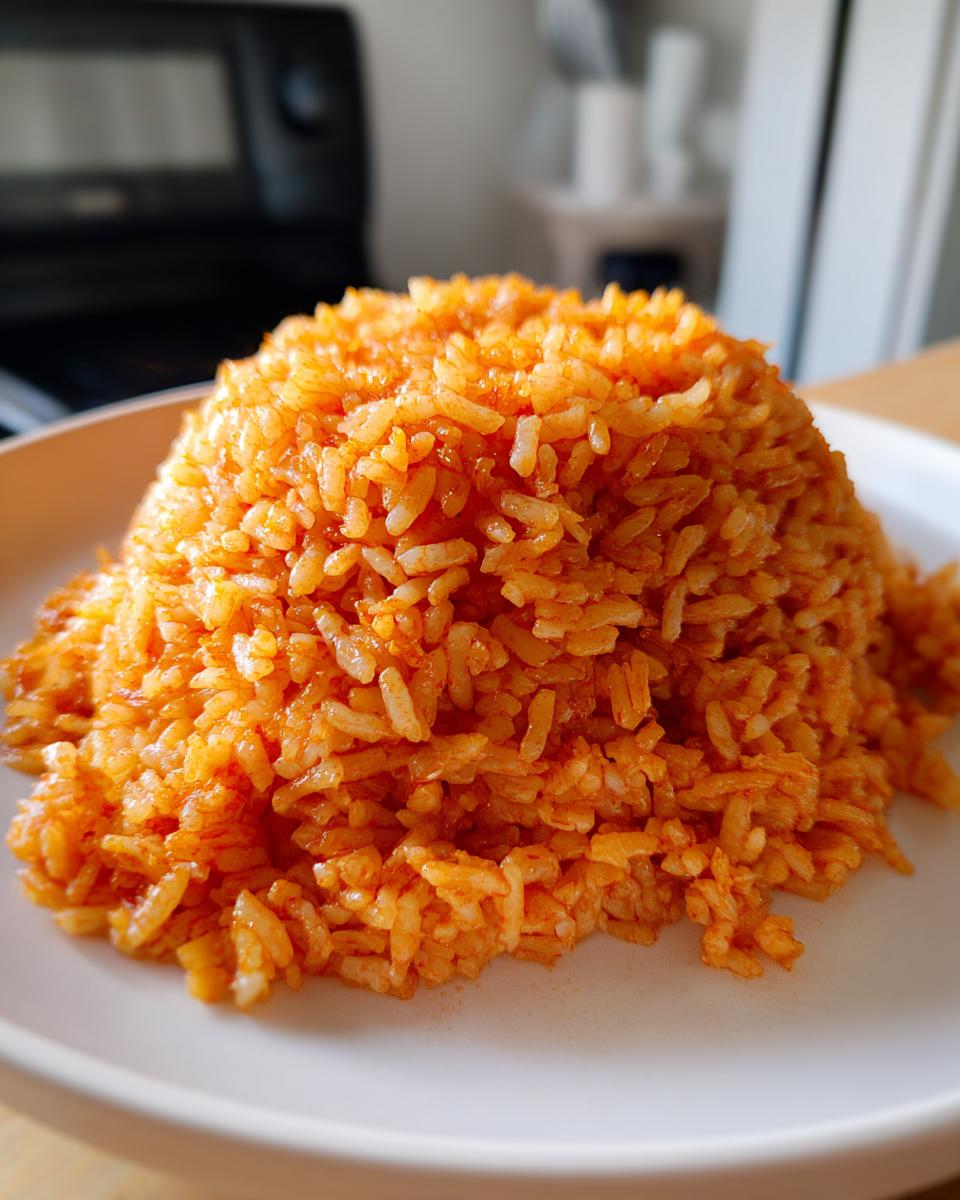
Next, we get the oil hot in our heavy-bottomed pot. We sweat down half the onion, and then comes the crucial step for authentic color: the tomato paste. You need to fry that paste for a good five minutes, stirring constantly, until it darkens almost to an earthy brick color. This might feel counterintuitive, but frying the paste removes that sharp, tinny edge and caramelizes the sugars, which is essential for nailing that deep red look that makes people immediately recognize great Nigerian Jollof Rice.
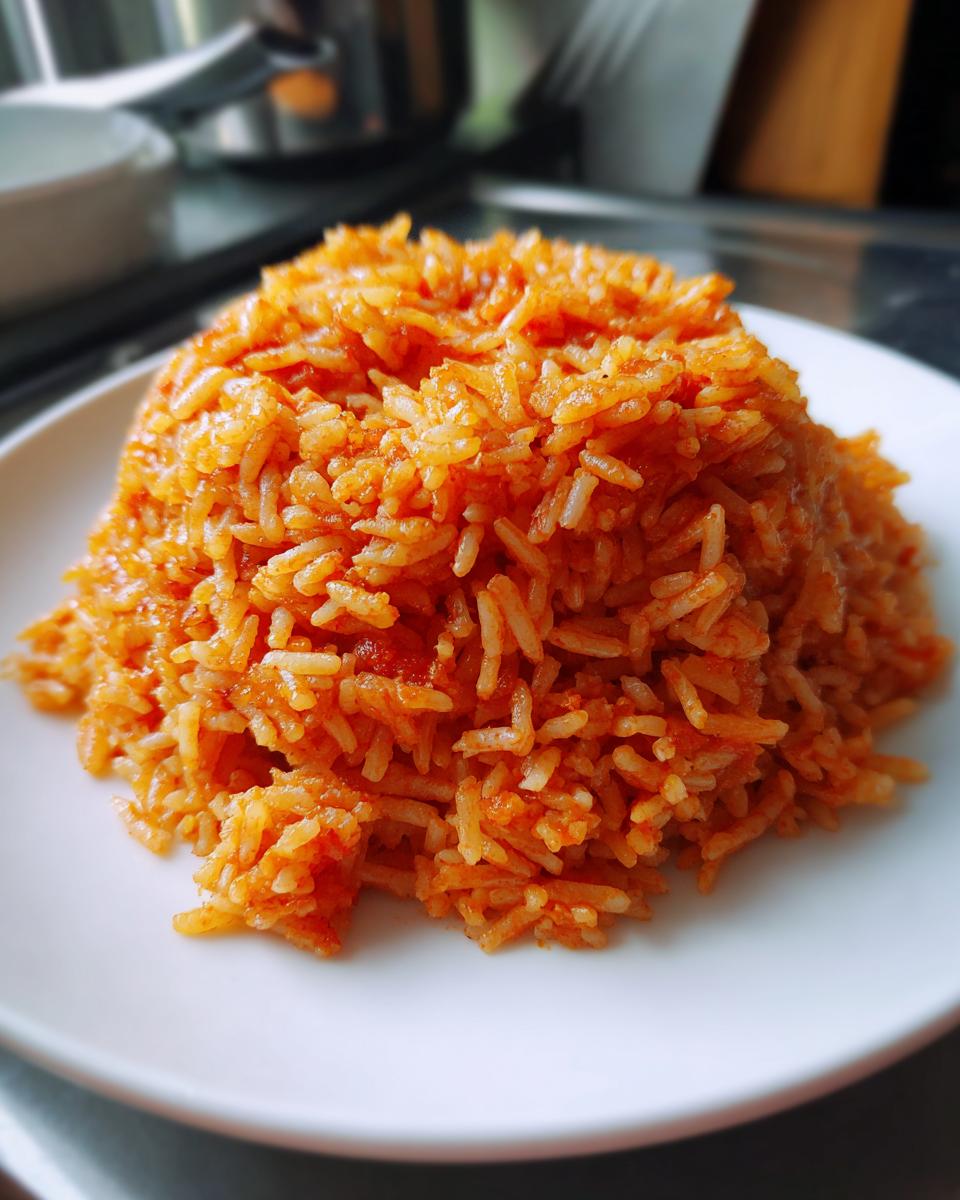
Then, you pour in your blended pepper base, add all your spices—thyme, curry, paprika, bay leaves—and let that stew cook down hard for about 15 to 20 minutes. We need that raw pepper taste gone!
The Steaming Technique for Perfect Jollof Rice
Once the stew has reduced, we add the rinsed, drained rice and the stock—make sure the liquid barely covers the rice, seriously! Bring it all to a boil, give it one last gentle stir to coat every grain, and then we seal her up tight. This is where the Best Jollof Rice Technique comes into play. Cover the pot tightly with aluminum foil first, then put the lid on to trap every speck of steam inside. Drop the heat down to the absolute minimum after 25 minutes, pour that reserved cup of extra stew over the top (don’t stir!), reseal, and let it steam for 5 to 10 more minutes. The foil traps the moisture necessary for that perfect steam finish. For more inspiration on perfecting that smoky depth, check out this guide: Smoky Nigerian Jollof Rice Recipe.
Tips for the Best Jollof Rice Technique
Now that you’ve navigated the base and the steam, let’s talk about the fine-tuning that takes this jollof rice from good to absolutely unforgettable. This is where I pull the tricks I learned—the little things that matter when you are cooking culturally significant food like this. When I was building Gourmet Gaze, I wanted to ensure every recipe I shared had this deeper level of kitchen wisdom baked right in.
For example, let’s talk about stock. Seriously, dump the water! Using a rich, homemade chicken or beef stock instead of plain water is one of the biggest jumps in flavor you can make in any savory rice dish. This elevates the whole experience, moving it firmly into the category of a celebratory dish rather than just a simple side.
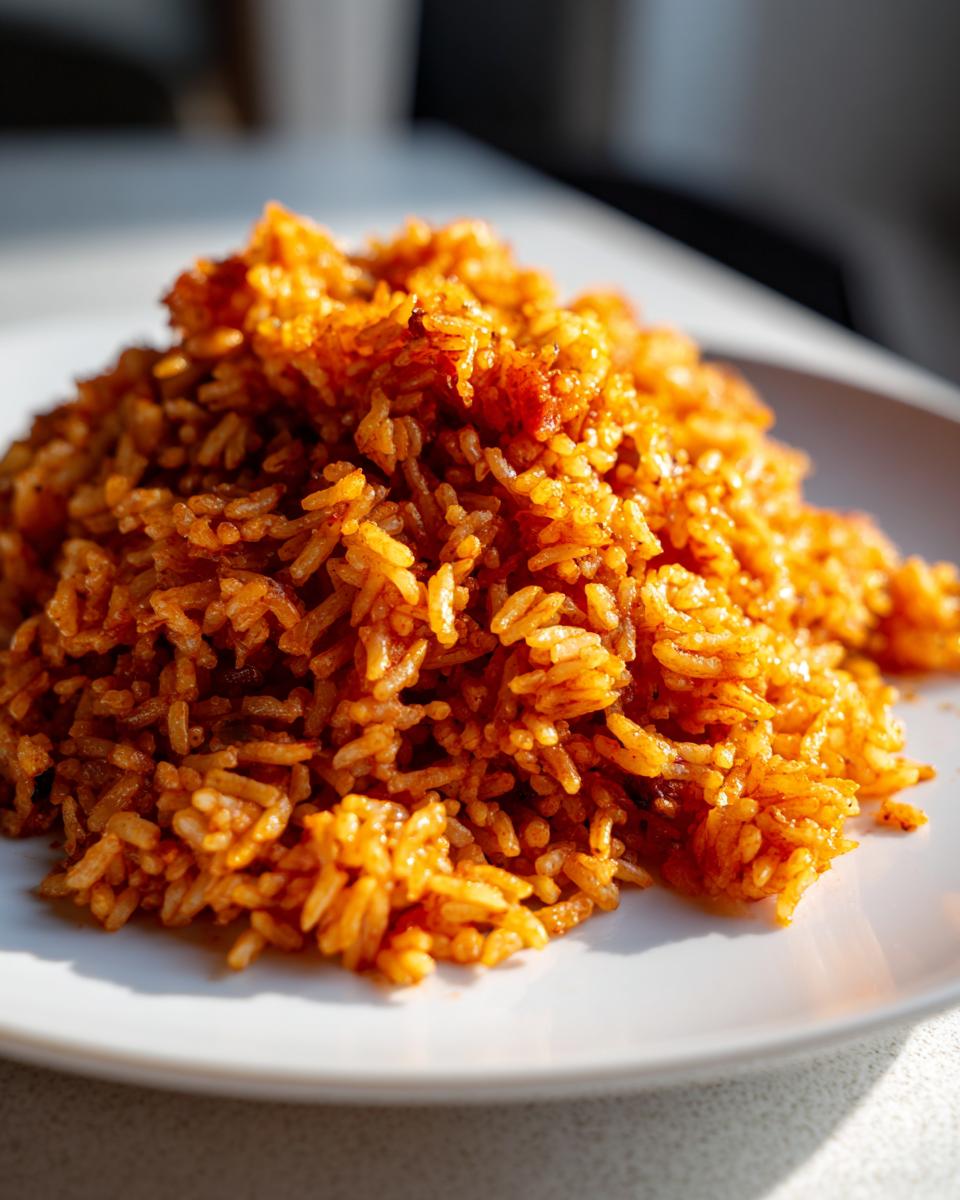
Another major component of the Best Jollof Rice Technique is heat control. That final cooking stage—where the rice is sealed under the foil—demands the lowest heat setting you can manage. If the heat is too high, the bottom layer burns before the top grains finish steaming, and that’s how you end up with crusty, scorched rice instead of perfectly tender grains. Keep it low and slow for that final phase!
If you want a really deep dive into flavor concentration, especially concerning that signature smoke, I found this resource really helpful when I was perfecting things: Ultimate Smoky Jollof Rice: Easy One-Pot Recipe Hack. It reinforced many of the lessons I learned on the road.
And finally, a quick tip related to pan selection. If you’re making a huge batch for a party, use the widest, heaviest pot you own. Wide surface area means you have more grains hitting the stew base directly during the frying step, maximizing that flavor coating, and it also allows the steam to distribute more evenly during the final cook. For a lovely weeknight chicken pairing, make sure you try my Lemon Chicken Piccata; it cuts through the richness perfectly!
Serving Suggestions for Your Flavorful Rice Sides
Now, the jollof rice is ready—smoky, vibrant, and perfectly cooked! But let’s be honest, no masterpiece is complete without its frame. This dish is so robust and deeply flavorful; it demands partners that can stand up to its intensity. While it is wonderful enough to be the star of the show for any Party Rice Recipes gathering—especially if you get that perfect smoky flavor—it truly shines when paired thoughtfully.
I always default to tradition when serving this staple. You want elements that offer textural contrast and sometimes a little cooling balance to that beautiful spice. If you’re looking for an easy grilled protein to go alongside, my Honey Garlic Chicken Skewers recipe is always a massive hit and offers a sweet counterpoint: Check out the skewers here!
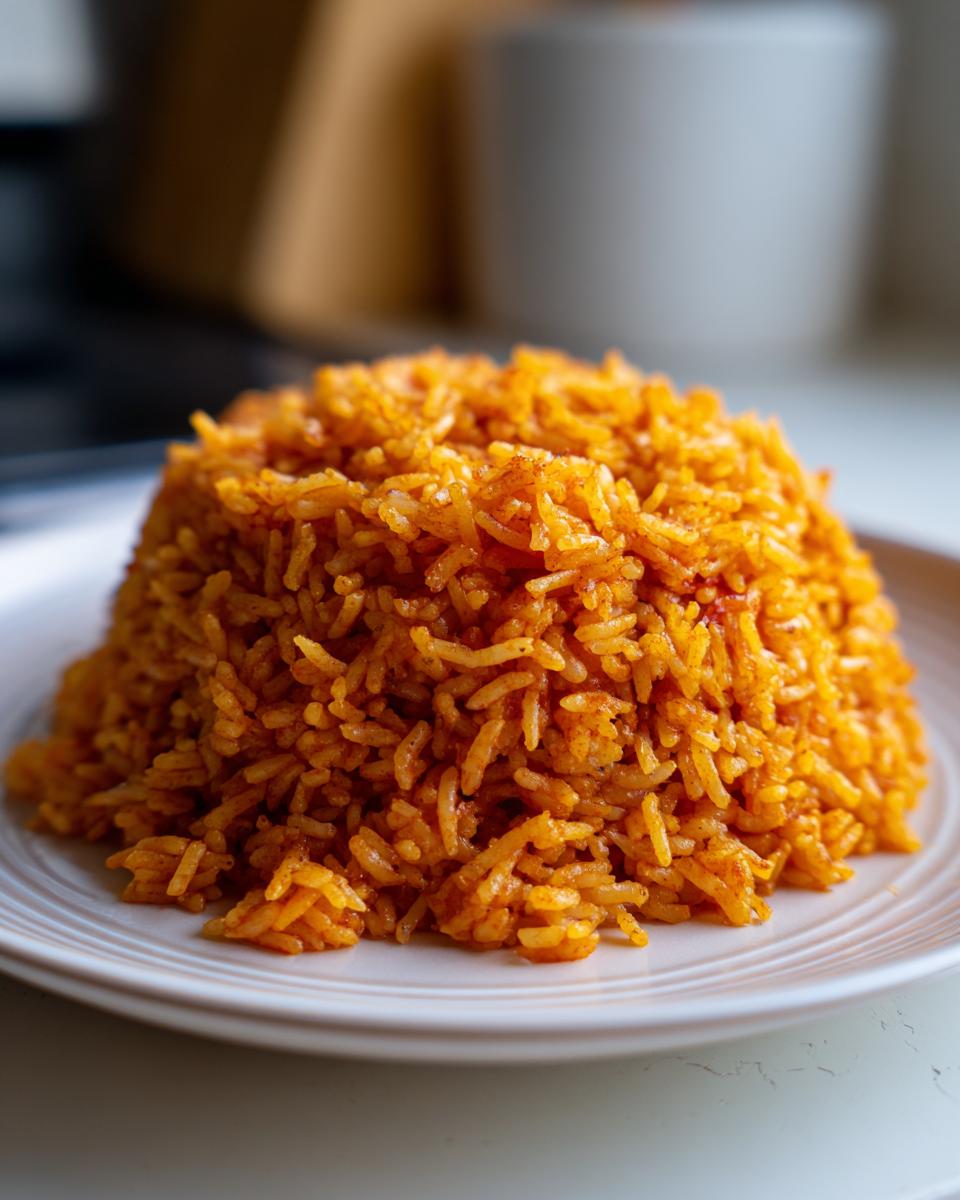
Here are my favorite additions to turn a simple pot of jollof rice into a complete feast:
- Fried Plantains: This is classic, non-negotiable accompaniment for many. The caramelized sweetness of ripe, fried plantains (dodo) provides a beautiful, soft, sweet contrast to the savory, slightly spicy rice.
- Grilled or Fried Chicken/Beef: A simple, well-seasoned protein works wonders. Whether you grill chicken slowly or quickly fry some beef chunks, the richness complements the tomato base perfectly.
- Coleslaw or Side Salad: Sometimes, you just need something green and crunchy. A simple, vinegary coleslaw helps cleanse the palate between bites of that rich, flavorful rice side.
- Moi Moi (Steamed Bean Pudding): If you want to lean hard into classic Nigerian fare, Moi Moi brings a lovely, soft, savory element that is just fantastic alongside the rice.
Ultimately, the beauty of this dish is its versatility. It’s robust enough to anchor any plate, making your preparation for parties so much easier because the main star already brings all the flavor!
Storage and Reheating Instructions for Jollof Rice
When you’ve made a big batch of this amazing jollof rice—and trust me, you should always make a big batch—the next question is how to keep that perfection intact for the next day. I hate wasting food, especially when it tastes this good, so I’ve perfected the storage and reheating game. You want that savory depth to stay vibrant, not turn into a dry brick or, worse, a soggy mess!
For storage, it needs to be airtight, right away. Don’t let that beautiful rice sit on the counter for hours cooling down slowly. Once it’s cooled down just enough to handle, pack it into a sealed container. If you are making a massive quantity, maybe consider using smaller containers so you aren’t reheating a giant block every time. This recipe holds up really well, usually lasting about 3 to 4 days in the refrigerator before the texture starts changing noticeably.
The reheating tip is where most folks go wrong, turning perfectly cooked jollof rice into a casualty of laziness. Microwaving it dry is a disaster; it just sucks the little moisture left right out of the grains. I learned that the key to bringing it back to life is using gentle heat and a touch of steam. If you want to keep that fluffy texture, you need to recreate the steam bath we gave it during the initial cooking!
Here’s how I revive leftovers for a quick meal, much like how I approach reheating things like my comforting small batch meatloaf:
- Stovetop Steaming (Best Method): Place the leftover rice in a heavy-bottomed pot. Sprinkle just a tablespoon or two of water or thin stock over the top. Cover the pot tightly with a lid. Heat on very low for about 5 to 7 minutes, shaking the pot gently every few minutes—do not stir! This lets the residual heat and fresh steam gently warm the grains through.
- Microwave Method (Quickest): If you’re in a rush, put the rice in a microwave-safe bowl. Add about a teaspoon of water per cup of rice. Cover the bowl loosely with a damp paper towel. Heat in short bursts (30 seconds at a time) on 50% power, fluffing gently between bursts. The damp towel traps just enough steam to keep it from drying out.
The goal is gentle warming. Don’t blast it on high heat; that’s what makes the outside break down while the inside stays cold. With a little care in reheating, your leftover jollof rice will taste almost as good as the first serving!
Frequently Asked Questions About Jollof Rice
It’s totally normal to have questions when you tackle a classic like this! When I first started trying to master complex West African Rice Dishes, I was swimming in uncertainty. That’s why I’ve pulled together the most common inquiries I get about this recipe. Don’t feel shy; achieving that perfect result often comes down to smoothing out these small details. If you need a break from dinner and want something light, my Almond Butter Tofu recipe is a tasty pivot: check it out here.
Is this Nigerian Jollof Rice recipe spicy?
That’s a great question, especially for those who are just starting out with Beginner African Cooking! The heat level is entirely up to you, my friend. The recipe calls for one scotch bonnet pepper, which gives it a serious kick—that authentic West African heat. However, if you prefer a milder experience, you can use half of one pepper, remove the seeds and membranes entirely (where most of the heat lives), or substitute it with a milder red chili pepper. Remember, we want flavor, not just heat!
What is the difference between Nigerian Jollof Rice and Ghanaian Jollof Rice?
Ah, the great Jollof debate! Both versions are absolutely delicious, but there are subtle differences that chefs argue over passionately. Generally speaking, the Nigerian method often leans toward using parboiled rice and frying the tomato paste heavily to achieve that intense, smoky depth we focused on here. Ghanaian Jollof sometimes favors using Basmati rice and may incorporate slightly different spices or cooking methods for the base stew. Honestly, both are fantastic interpretations of the original, but this guide focuses squarely on delivering the smoky experience beloved in Nigerian jollof rice for parties.
Why do I need to use parboiled rice for the best result?
As we touched on in the tips section, parboiled rice is crucial for the Fluffy Rice Method. Think of it this way: Regular white rice absorbs liquid too quickly and can turn gummy under the long steaming required for Jollof. Parboiled rice has been partially cooked before milling, which means it retains its shape better. Because we are sealing this dish under foil to steam, using a grain that can withstand that environment without breaking down into starchy mush is the key to authenticity. If you want to see how other folks handle rice without mush, this resource offers great insights: Home Cooking Live shares some excellent context on rice dishes.
Nutritional Estimates for This Jollof Rice
As a chef focused on creating food that pleases both the eye and the soul, I know many of you are also thinking about what goes into your body. Food should nourish you completely! Now, before we dive into the numbers, please remember that these estimates are based precisely on the ingredients listed in the recipe above, using standard measurements. The brand of stock you choose, or whether you include that optional bouillon cube, will shift the final tally slightly. Think of this information as a helpful guideline.
Getting this rich flavor doesn’t mean sabotaging your goals! This jollof rice stacks up quite nicely when portioned out. If you’re looking for other balanced, hearty sides that offer great macros, you should definitely check out my recipe for Dense Bean Salad—it’s fantastic for meal prep!
Here are the approximate nutritional details per 1-cup serving (based on 6 servings total):
- Serving Size: 1 cup cooked
- Calories: 410
- Fat: 14g (with 2g saturated fat)
- Carbohydrates: 65g
- Protein: 9g
- Sugar: 8g
- Sodium: 450mg
- Cholesterol: 0mg
The relatively low cholesterol is easy to achieve since this recipe is naturally vegetarian unless you add meat stock. It’s a powerhouse of flavor derived primarily from those fresh vegetables and spices, keeping those sugar and sodium levels surprisingly reasonable for such a satisfying dish. Enjoy every bite knowing it’s bringing joy and nourishment to your table!
Share Your Experience Making This Jollof Rice
Now that you have unlocked the secrets to truly authentic, smoky Nigerian jollof rice, I genuinely want to know how it turned out for you! When I first started this culinary journey away from spreadsheets, sharing the results—the triumphs and the minor kitchen mishaps—was the whole point. This space is for us to learn together, so please don’t be shy.
Did you achieve that perfect smoky flavor? Did your grains stay gloriously fluffy? Telling me about your experience is the greatest compliment you can give, and it helps other home cooks see what they can achieve too. Did you pair it with my chicken skewers or maybe try a new side? Let me know!
If you have any lingering questions about technique, ingredient substitutions, or just want to share a beautiful photo of your vibrant, flavorful rice, please drop a comment below. Your feedback helps me refine these recipes further. If you ever need to reach out to me directly about the site, my contact form is always open right here.
Go ahead, leave your star rating at the top of the post, tell me your favorite part of eating this Party Rice Recipe, and let’s keep creating delicious memories together around the table!
PrintAuthentic Smoky Nigerian Party Jollof Rice

Master the art of Nigerian Jollof Rice with this easy, one-pot recipe designed to deliver the signature smoky flavor and perfectly fluffy texture required for any gathering. This is a staple West African Rice Dish.
- Prep Time: 20 min
- Cook Time: 55 min
- Total Time: 75 min
- Yield: 6 servings 1x
- Category: Main Dish
- Method: One Pot Cooking
- Cuisine: West African
- Diet: Vegetarian
Ingredients
- 3 cups parboiled long-grain rice
- 1 large onion, roughly chopped
- 4 large ripe tomatoes
- 2 red bell peppers
- 1 scotch bonnet pepper (adjust to your spice preference)
- 1 inch ginger, peeled
- 4 cloves garlic
- 1/2 cup vegetable oil
- 1/4 cup tomato paste
- 4 cups chicken or beef stock (low sodium)
- 2 teaspoons dried thyme
- 2 teaspoons curry powder
- 1 teaspoon smoked paprika
- 2 bay leaves
- 1 teaspoon salt, or to taste
- 1/2 teaspoon ground white pepper
- 1 bouillon cube (optional)
Instructions
- Prepare the pepper base: Combine the chopped onion, tomatoes, red bell peppers, scotch bonnet pepper, ginger, and garlic in a blender. Blend until you have a smooth, bright red puree.
- Sauté aromatics: Heat the vegetable oil in a large, heavy-bottomed pot or Dutch oven over medium heat. Add the remaining half of the chopped onion and sauté until softened, about 3 minutes.
- Cook the tomato paste: Stir in the tomato paste and fry for 5 minutes, stirring constantly, until it darkens slightly. This step deepens the color and flavor.
- Simmer the stew: Pour the blended pepper base into the pot. Add the thyme, curry powder, smoked paprika, bay leaves, salt, white pepper, and bouillon cube (if using). Bring to a simmer, then reduce heat to medium-low. Cook uncovered for 15 to 20 minutes, allowing the sauce to reduce and the raw pepper taste to cook out. This forms your rich Tomato Based Rice sauce.
- Achieve the smoky flavor: Remove about 1 cup of the stew base and set it aside. Increase the heat under the main pot slightly. Allow the remaining stew to fry gently until the oil begins to separate and rise to the top. This frying action is key to the smoky flavor.
- Add rice and stock: Rinse the parboiled rice thoroughly under cold water until the water runs clear. Drain well. Add the rinsed rice to the pot and stir well to coat every grain with the stew. Pour in the chicken or beef stock. The liquid should just cover the rice; add a little water if necessary.
- Cook the Jollof: Bring the mixture to a boil. Once boiling, stir once, cover the pot tightly with foil, and then place the lid on top. Reduce the heat to the lowest setting. Let it steam for 25 to 35 minutes without opening the lid.
- Steam finish: After 25 minutes, check the rice. If it is nearly tender, pour the reserved 1 cup of stew base over the top of the rice (do not stir it in yet). Cover tightly again and let it steam for another 5 to 10 minutes until all liquid is absorbed and the rice is fluffy.
- Rest and serve: Turn off the heat. Let the pot sit, covered, for 10 minutes. Gently fluff the rice with a fork before serving. This is a perfect Party Rice Recipe.
Notes
- For the best texture, use long-grain parboiled rice. Basmati rice can also work but requires careful monitoring to prevent mushiness.
- To increase the smoky flavor, you can briefly place the empty pot over high heat before adding the oil, or use a small amount of smoked paprika.
- Serve this flavorful rice side with fried plantains or grilled chicken for a complete meal.
Nutrition
- Serving Size: 1 cup cooked
- Calories: 410
- Sugar: 8
- Sodium: 450
- Fat: 14
- Saturated Fat: 2
- Unsaturated Fat: 12
- Trans Fat: 0
- Carbohydrates: 65
- Fiber: 4
- Protein: 9
- Cholesterol: 0