
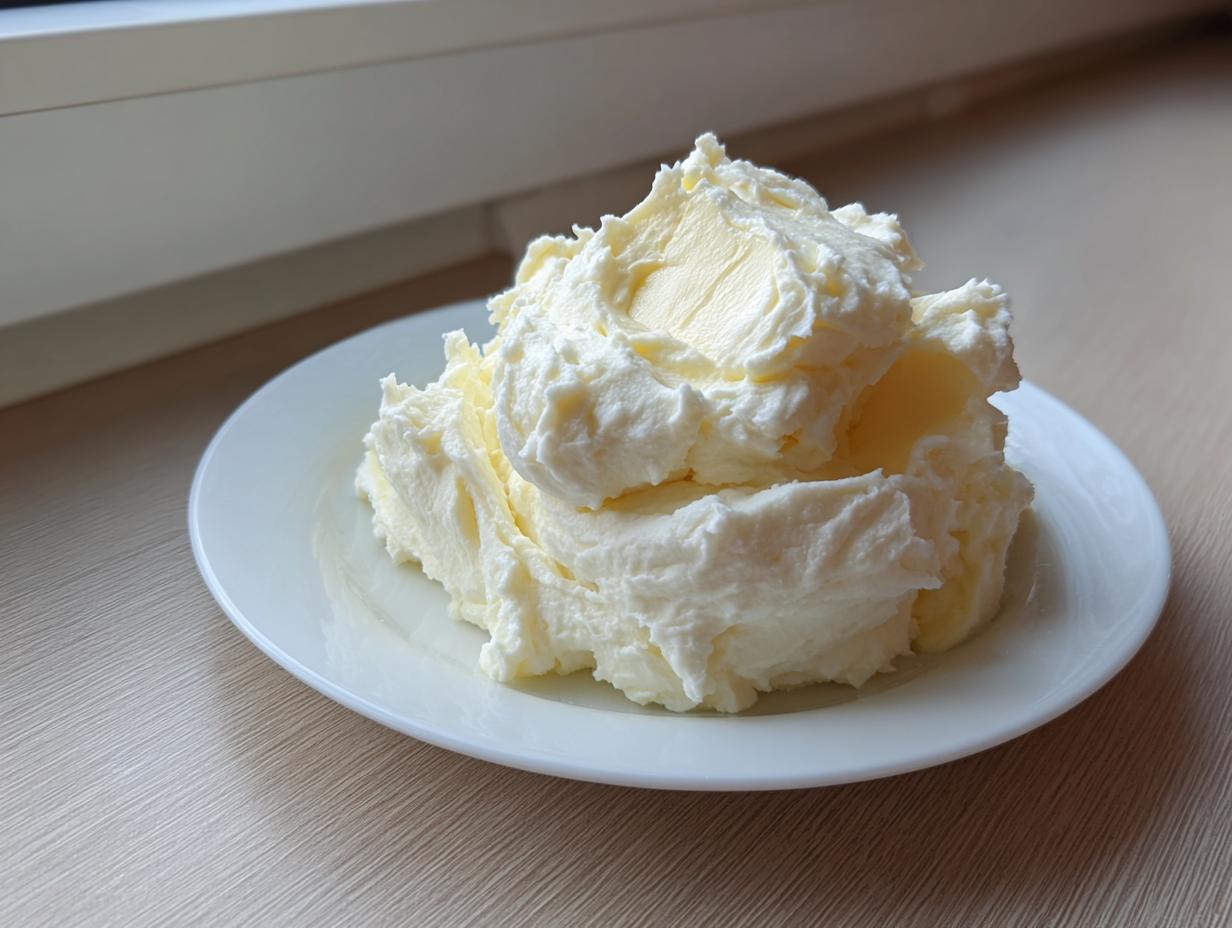

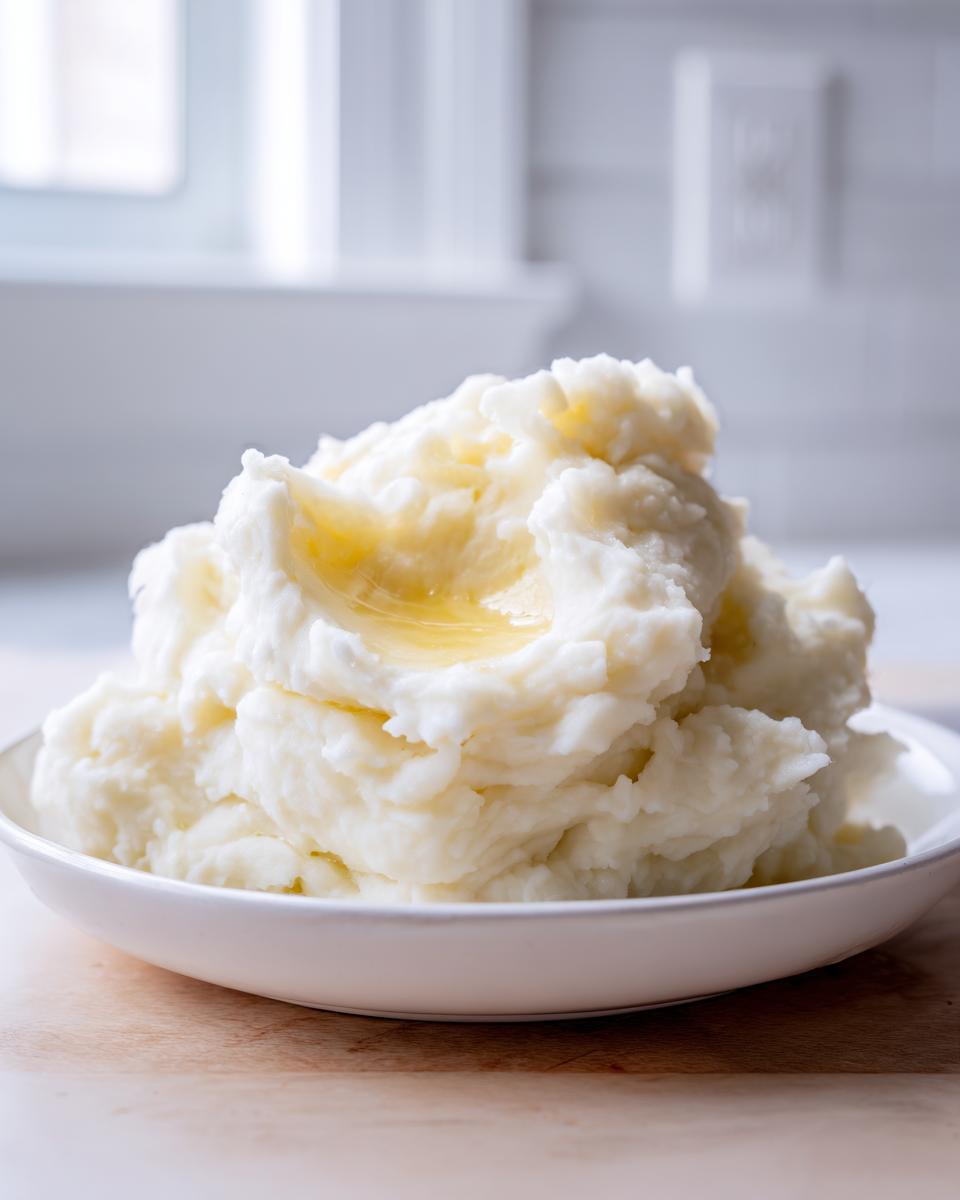
There is nothing on this earth that screams comfort and pure satisfaction quite like a bowl of perfectly executed, buttery potatoes. When I was stuck in the world of spreadsheets back in Chicago, my cooking repertoire was… let’s say, limited. Dinner was fuel, not feeling. But after that trip down to New Orleans and realizing food could actually tell a story, I vowed to master the classics. And trust me, mastering the art of mashed potatoes was my first major culinary conquest. Forget the lumps, forget the glue; this guide is the absolute ultimate roadmap to achieving potatoes that are intensely creamy, wonderfully fluffy, and so rich they practically melt on your tongue. Get ready to bring soul food to your dinner table!
- Why These Are the Best Mashed Potatoes You Will Ever Make
- Gathering Your Ingredients for Perfect Mashed Potatoes
- How to Prepare Fluffy Homemade Potatoes: Step-by-Step Instructions
- Expert Tips for the Ultimate Creamy Mashed Potatoes
- Simple Side Dish Ideas: Variations on Classic Mashed Potatoes
- Serving Suggestions for This Buttery Potato Side Dish
- Storage and Reheating Instructions for Leftover Mashed Potatoes
- Frequently Asked Questions About Making Mashed Potatoes
- Nutrition Estimates for This Classic Potato Recipe
Why These Are the Best Mashed Potatoes You Will Ever Make
I’ve tried every shortcut out there, and when it comes to the ultimate comfort dish, shortcuts just lead to disappointment. These aren’t your average weeknight potatoes, although they are quick enough for one! We are aiming for intensely creamy, unbelievably fluffy, and absolutely lump-free results. This is the recipe I bring out when I need food to speak volumes, whether it’s a quiet Tuesday night or the big Thanksgiving feast. You deserve potatoes that deliver every single time.
- Perfectly smooth texture, whether you use a ricer or a classic masher.
- Ready in under 45 minutes, making them a fantastic quick dinner side.
- Rich flavor comes from high-quality butter and warm dairy.
- They hold heat beautifully, making them ideal for holiday serving platters.
Achieving Fluffy Homemade Potatoes Texture
The biggest mistake people make when crafting beautiful creamy mashed potatoes is overworking them once too much liquid is added. We want airiness, right? That fluffiness comes from being gentle after the starch starts to accept the warm dairy. If you beat them into submission with a stand mixer or stir like crazy, you release too much starch, and suddenly, your light potatoes turn into thick, heavy paste. We’re aiming for clouds, not glue. Stop mixing the second everything just comes together!
Gathering Your Ingredients for Perfect Mashed Potatoes
Okay, this is where we set the stage. You can’t make the best mashed potato recipe if your ingredients aren’t ready to go. My list is simple because I believe the flavor should come from the potato and the quality additions, not from 15 different jars in the spice cabinet. Make sure your butter is genuinely softened—not melted, softened! And please, please warm the milk before it ever sees the potatoes; this is crucial for texture. Everything listed here helps ensure you get those impossibly smooth results we talked about.
- 3 lbs Russet or Yukon Gold potatoes, peeled and quartered
- 1 cup whole milk, warmed
- 8 tablespoons unsalted butter, cut into pieces, softened
- 1 teaspoon salt, plus more for boiling water
- 1/2 teaspoon black pepper
- 1/4 cup sour cream or heavy cream (optional, for extra richness)
Potato Selection for Smooth Mashed Potatoes
The potato is the star, naturally! You have two excellent choices here, and knowing the difference guarantees success. If you want those super light, airy, fluffy homemade potatoes—the kind that look like perfect snowdrifts—lean into Russets. They are starchier and break down beautifully. However, if you prefer a naturally rich, buttery potato side dish that holds a bit more moisture and structure, Yukon Golds are your champion. They actually have a silkier texture right out of the pot, making them almost foolproof for achieving those smooth mashed potatoes.
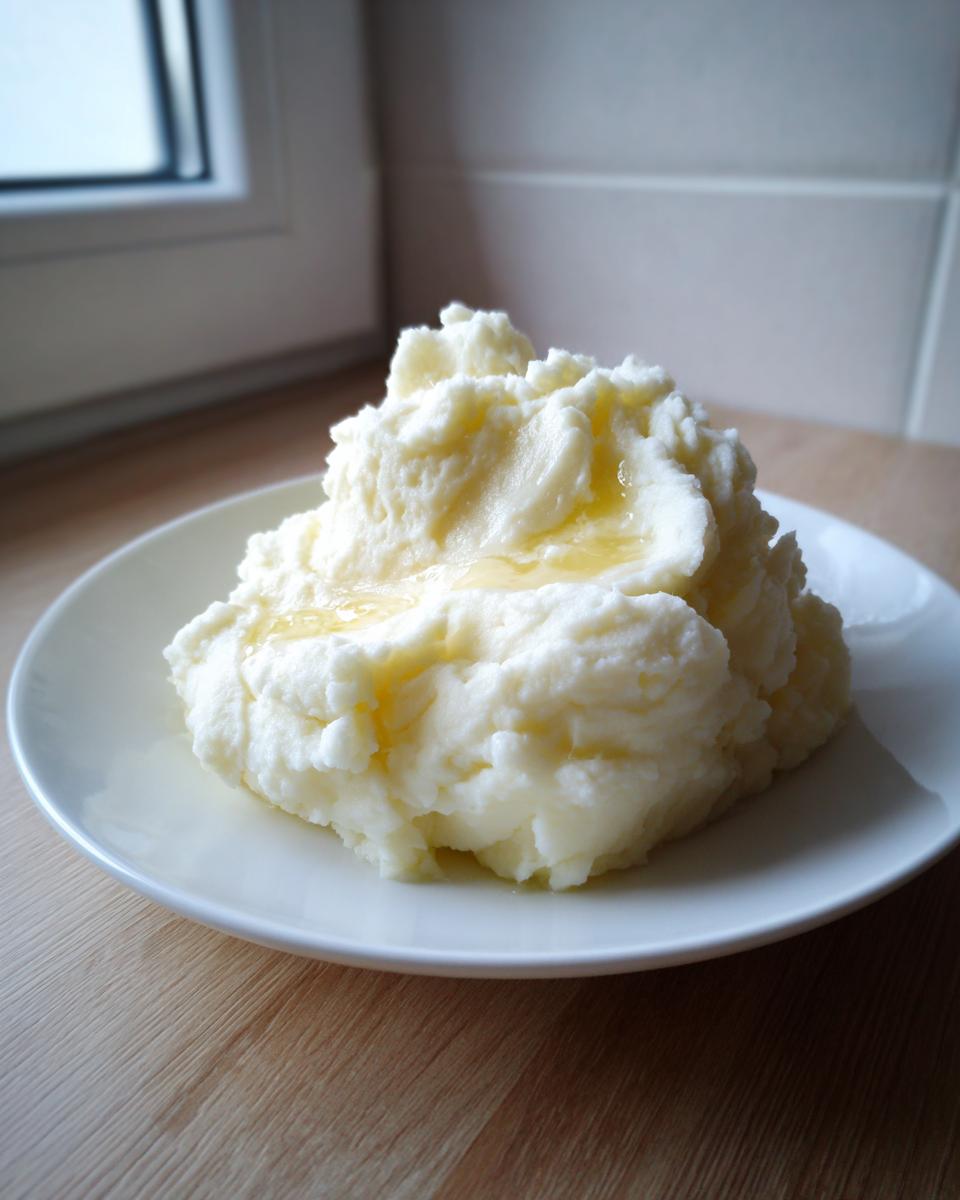
How to Prepare Fluffy Homemade Potatoes: Step-by-Step Instructions
Alright, let’s stop talking about why these are amazing and actually get them made! This process moves quickly once the potatoes are boiled, so have your warm milk and butter waiting patiently nearby. The secret sauce, honestly, is in how you treat the potatoes after they come off the heat. We need moisture out so we can add the richness back in later. I actually followed a similar method when I first began tackling this dish to ensure I didn’t drown them!
- First step: Get those peeled and quartered potatoes into a big pot and cover them with cold water. I mean cold! This ensures they cook evenly from edge to center. Toss in a big tablespoon of salt—we season them from the inside out. Bring it to a proper boil, then gently simmer them until they’re fork-tender, usually about 20 minutes.
- Drain them completely in a big colander. Now, listen closely, because this next move separates the home cooks from the culinary geniuses: let them sit there for five minutes. Don’t touch them! Letting that steam escape means your final dish won’t be watery.
- Now, put the dry potatoes back into the hot, empty pot. Set the burner on the lowest possible flame and just gently shake the pot for about sixty seconds. This final drying move cooks off any lingering surface water content, which is key to making amazing mashed potatoes.
- Take the pot off the heat source. Immediately throw in your softened butter pieces. Mash them gently until that butter is totally melted and absorbed. Next, slowly stream in that warm milk, mashing just enough to combine. Stop mixing the second it looks like the smooth texture you want.
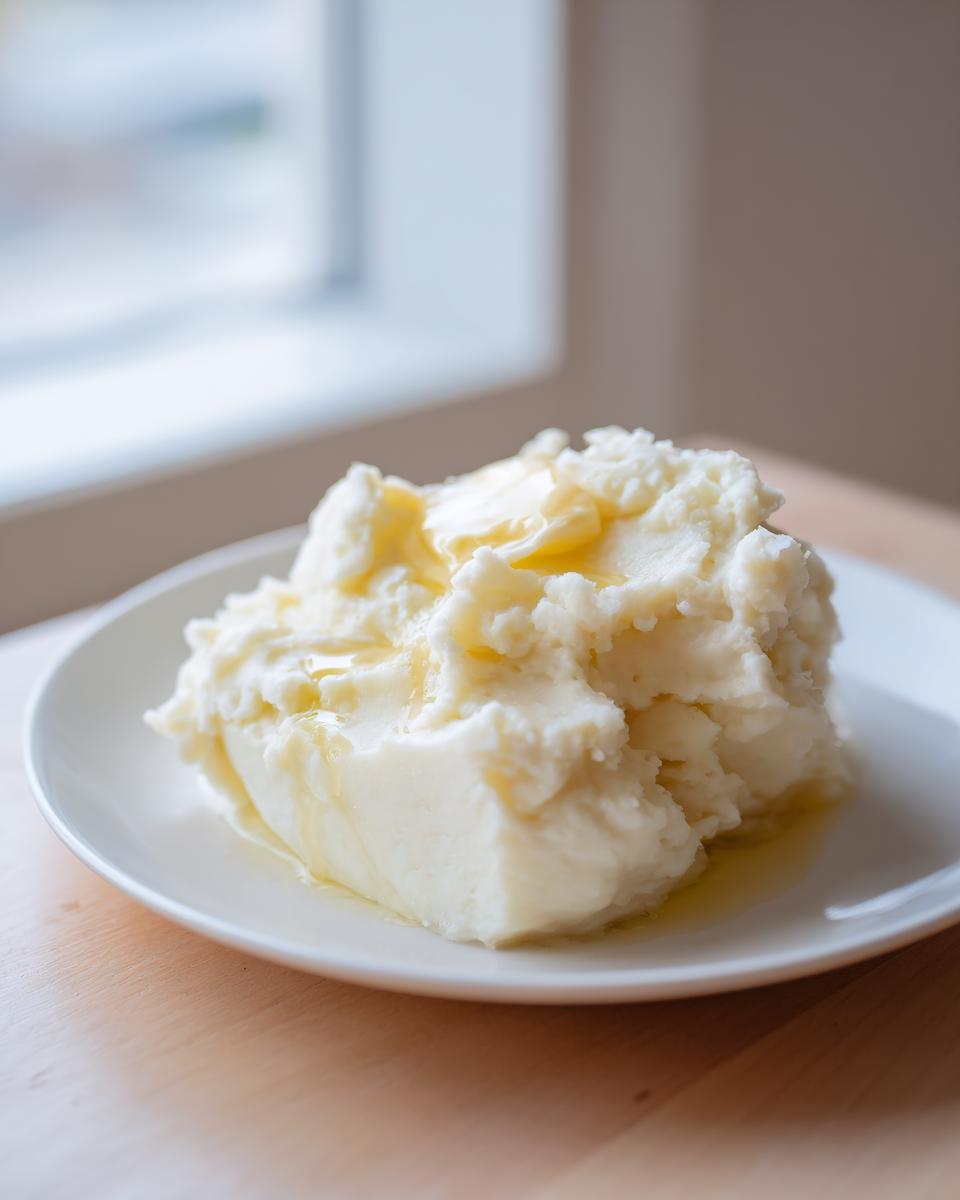
Crucial Technique for No Lump Mashed Potatoes
Listen, I know you’re hungry, but if you cram those hot potatoes into a food processor, you’ve just made glue—we’ve all been there! The absolute most crucial step for guaranteed no lump mashed potatoes is that brief drying time back in the hot pot (Step 4 above). If they are damp, they soak up the butter and milk unevenly and turn gummy. Also, if you try to add milk straight from the fridge, you drop the temperature instantly, which stops the fat from emulsifying properly. Cold dairy equals sad, dense potatoes. Keep everything warm!
Expert Tips for the Ultimate Creamy Mashed Potatoes
Now that you have the basic flow down, let’s talk about leveling up. I mentioned warming the milk and butter, and I’ll say it again until you believe me: cold dairy is the enemy of creamy mashed potatoes! It cools everything down too fast and ruins that beautiful, velvety emulsion you’re trying to build. Also, if you really, truly hate lumps and want restaurant-quality results, skip the masher entirely and use a potato ricer. They are worth every penny, trust me.
Here is the pro-level trick I learned when I started focusing on flavor depth: season in layers! Salt the water heavily before boiling (they absorb flavor there). Then, season the potatoes *after* the butter is melted in. Finally, *always* taste them right before serving and add a final, small pinch of salt if they need it. This layering technique ensures the flavor isn’t just sitting on the surface; it’s built into every bite, making these the best mashed potatoes you’ve ever hosted with.
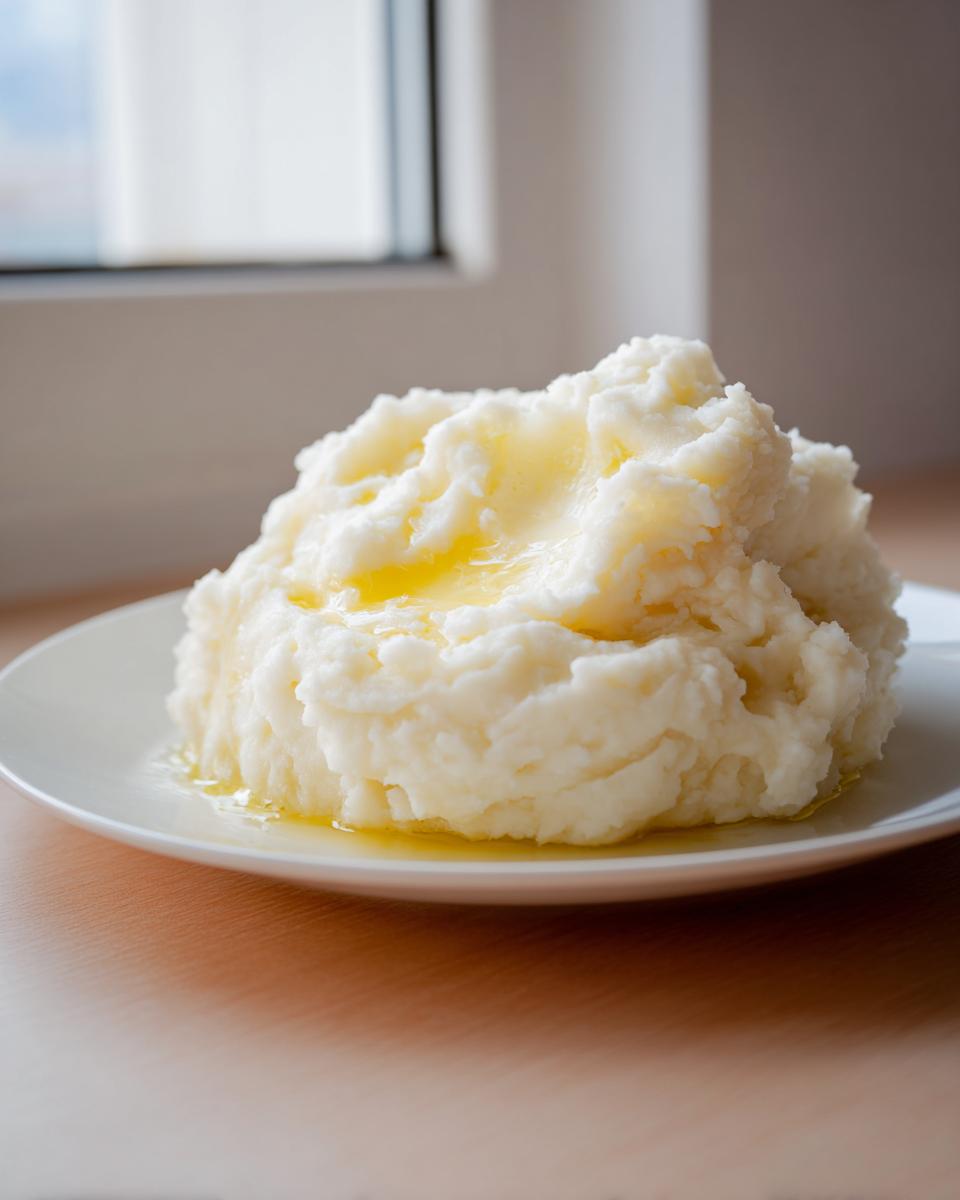
Remember this nugget from my time at Tiny Kitchens, Big Flavors: if you do use a masher, stop as soon as you see no visible chunks larger than a pea. Patience prevents the glue!
Simple Side Dish Ideas: Variations on Classic Mashed Potatoes
Part of the joy of having a perfect base recipe is knowing how easily you can dress it up for different crowds. While these ultra-creamy mashed potatoes are amazing naked, sometimes you want something with a little extra punch. We already covered the rich addition of sour cream or heavy cream, but let’s look at some flavors that take these to the next level.
If you are looking for something savory and intense, you absolutely must try the Parmesan Garlic Mashed Potatoes variation mentioned in the notes. It’s so good! For that specific version, you simply add half a cup of freshly grated Parmesan cheese and two cloves of minced garlic—which I always sauté gently in about a tablespoon of the butter first—right at the end when you add the final salt and pepper. You can see tips for a similar flavor bomb over at Parmesan Garlic Mashed Potatoes.
Wow, the depth of flavor in those garlic mashed potatoes is incredible! If melting cheese is more your speed, don’t be afraid to fold in about a cup of sharp cheddar for an amazing batch of cheesy mashed potatoes. That’s my go-to when catering for my friends who love dairy over herbs!
Serving Suggestions for This Buttery Potato Side Dish
Honestly, these glorious mashed potatoes deserve a spotlight in any meal plan. Since they are so rich and ready in under 45 minutes, they handle both a quick weeknight dinner and the pressure of a big holiday side dish rotation. They’re the perfect foundation for soaking up pan juices, so they pair beautifully with slower-cooked mains. I personally love serving them alongside a perfectly roasted bird—you can check out my method for juicy oven-roasted chicken right here on the site!
For something heartier, they stand up incredibly well to bold flavors like a grilled steak or even spicy dishes, like my favorite blackened tuna steak. Basically, anything that flows or drips needs these potatoes right under it. They truly elevate any plate!
Storage and Reheating Instructions for Leftover Mashed Potatoes
We all hope these divine potatoes disappear immediately, but let’s be real—sometimes we have leftovers, and we need to store them correctly! Good news: these hold up wonderfully. Pop any remaining potato side dish into an airtight container and stash it in the fridge. They should stay perfect for about four days. Don’t worry if they firm up a bit; that’s totally normal.
When you’re ready for round two, the reheating method matters big time. I find the stovetop gives the best texture. Scrape them into a saucepan over low heat, and here is the crucial recovery step: stir in just a splash of warm milk or a tiny pat of butter while whisking gently. This reactivates the creaminess! You can use the microwave, but you *must* stir them every 30 seconds to prevent those dry, stiff spots from forming in the center.
Frequently Asked Questions About Making Mashed Potatoes
I collect questions on every single post, and the FAQs section is my favorite place to clear up any last-minute doubts you might have before you start boiling. Don’t worry if you’re a beginner—that’s why Gourmet Gaze is here! I’ve pulled the most common queries about achieving that perfect, velvety texture for your mashed potatoes.
Can I use a food processor or blender?
Oh, absolutely not, unless you truly love that gluey texture! A food processor or blender whips the starches in the potato cells too aggressively. This creates an overly sticky, cement-like consistency. For truly fluffy homemade potatoes, stick to a hand masher or, for the smoothest mashed potatoes imaginable, invest in a potato ricer. It keeps the structure light!
What is the best potato for creamy mashed potatoes?
While I mention both, if your absolute top priority is creamy mashed potatoes, start with Yukon Golds! They have a naturally velvety texture right out of the pot, meaning they absorb warm dairy beautifully without becoming overworked. Russets are fantastic for light fluffiness, but Yukon Golds lean into that rich, buttery potato side dish feeling perfectly.
How do I prevent watery potatoes, even when I try to dry them?
Watery potatoes happen when you boil them too long or don’t allow them to steam properly. After draining, ensure you return them to the hot pot for that minute of gentle drying over low heat—that simple step releases trapped surface water. Also, remember my golden rule: always use warm milk and warm butter! Cold dairy lowers the temperature too fast and introduces wateriness to the mix before the starches can properly bind with the fats.
Are these holiday side dishes achievable on a tight schedule?
Yes! This recipe is geared for speed. If you time your boiling right, these can definitely be served fresh in under 45 minutes total, making them a great option when you are juggling multiple Thanksgiving potato recipe components. They are truly a wonderfully easy mashed potatoes solution!
Nutrition Estimates for This Classic Potato Recipe
Now, I always have to add the disclaimer that because we’re using real butter, whole milk, and maybe even a splash of sour cream, these figures are purely estimates based on the ingredient ratios I listed above. We’re focused on flavor here, but you can see how rich this buttery potato side dish truly is! This is pure, satisfying comfort food nourishment, meant to be enjoyed.
- Serving Size: 1 serving
- Calories: 280
- Fat: 15g
- Carbohydrates: 33g
- Protein: 5g
The Ultimate Creamy and Fluffy Mashed Potatoes
Learn how to make the best mashed potatoes that are intensely creamy, buttery, and completely lump-free. This classic recipe is perfect for weeknight dinners or holiday feasts.
- Prep Time: 15 min
- Cook Time: 25 min
- Total Time: 40 min
- Yield: 6 servings 1x
- Category: Side Dish
- Method: Boiling and Mashing
- Cuisine: American
- Diet: Vegetarian
Ingredients
- 3 lbs Russet or Yukon Gold potatoes, peeled and quartered
- 1 cup whole milk, warmed
- 8 tablespoons unsalted butter, cut into pieces, softened
- 1 teaspoon salt, plus more for boiling water
- 1/2 teaspoon black pepper
- 1/4 cup sour cream or heavy cream (optional, for extra richness)
Instructions
- Place the peeled and quartered potatoes in a large pot. Cover the potatoes with cold water by about one inch. Add 1 tablespoon of salt to the water.
- Bring the water to a boil over high heat. Reduce heat to maintain a steady simmer. Cook for 15 to 20 minutes, or until the potatoes are completely tender when pierced with a fork.
- Drain the potatoes thoroughly in a colander. Let them sit for 5 minutes to allow excess steam to evaporate. This step helps prevent watery mashed potatoes.
- Return the drained potatoes to the hot, empty pot. Place the pot over low heat for 1 minute, gently shaking the pot to dry out any remaining surface moisture.
- Remove the pot from the heat. Add the softened butter pieces to the potatoes. Mash the potatoes using a potato masher until the butter is fully incorporated and the mixture is mostly smooth.
- Gradually pour in the warm milk while continuing to mash or gently stir until you reach your desired consistency. Do not overmix, as this can make the potatoes gluey.
- Stir in the salt, pepper, and optional sour cream or heavy cream until just combined. Taste and adjust seasoning as needed.
- Serve your creamy, fluffy mashed potatoes immediately.
Notes
- For the smoothest texture, use a potato ricer instead of a masher.
- Always warm your milk and butter before adding them to the potatoes; cold dairy lowers the temperature and results in a less creamy texture.
- If you want Parmesan Garlic Mashed Potatoes, add 1/2 cup grated Parmesan cheese and 2 cloves of minced garlic (sautéed lightly in butter) along with the salt and pepper.
Nutrition
- Serving Size: 1 serving
- Calories: 280
- Sugar: 2
- Sodium: 350
- Fat: 15
- Saturated Fat: 9
- Unsaturated Fat: 6
- Trans Fat: 0
- Carbohydrates: 33
- Fiber: 3
- Protein: 5
- Cholesterol: 35