
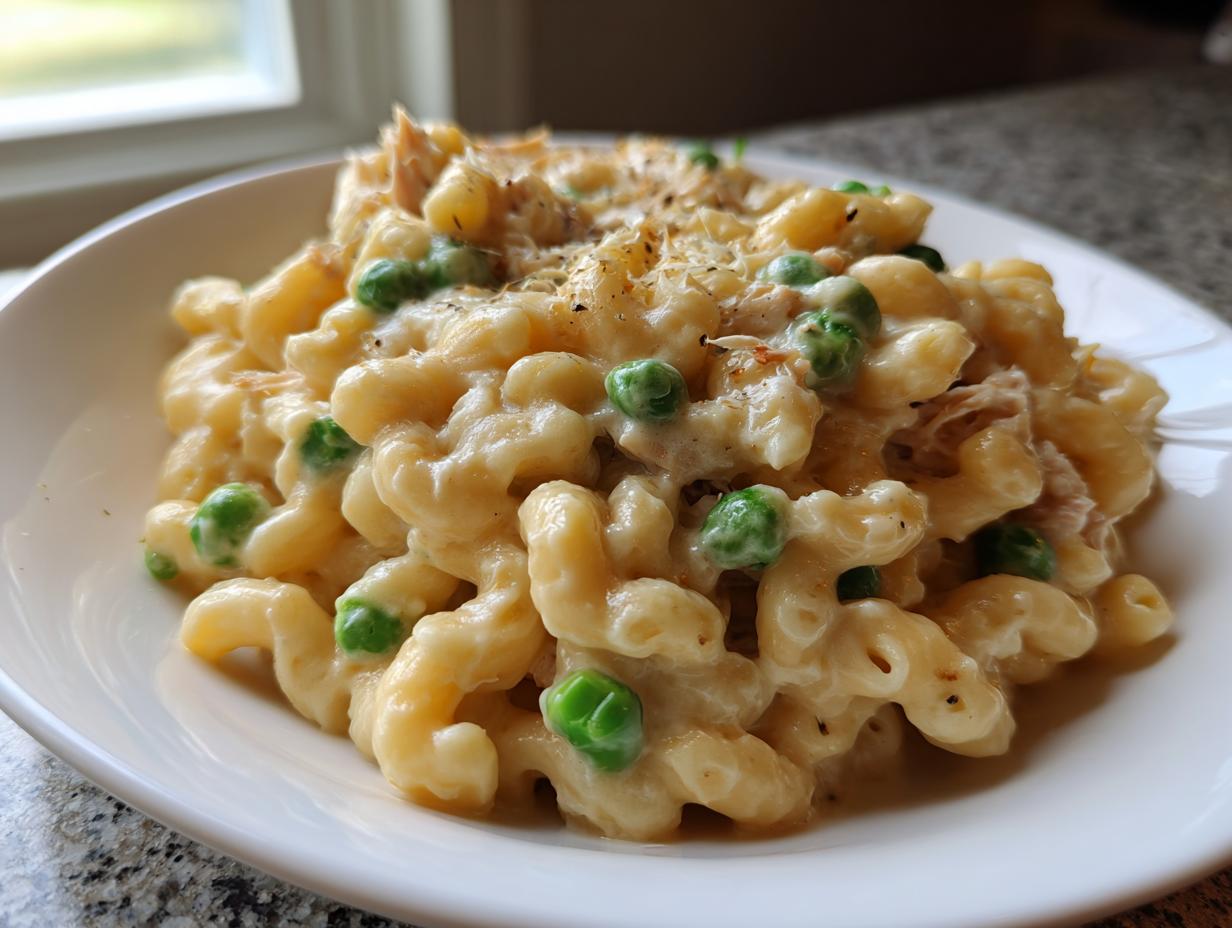

Let’s be honest: after staring at screens all day, the last thing I want to do is tackle a mountain of pots and pans for dinner. That corporate burnout era I told you about? It was fueled by takeout because complex cooking felt impossible on a Tuesday. But that changed when I realized the power of simplicity. This One-Pan Creamy Tuna Pasta Skillet is my answer for those nights. It’s the definition of a **quick weeknight meal** that hits that deep, satisfying comfort zone we all crave, and it uses those dependable pantry staples like canned tuna. Trust me, this recipe proves that great food doesn’t require marathon cooking sessions. For more on how I found my way back to the kitchen, check out my story on the About Page. This **tuna pasta** is pure magic.
- Why This One-Pan Creamy Tuna Pasta is Your New Weeknight Hero
- Essential Ingredients for Your Creamy Tuna Pasta Skillet
- Step-by-Step Instructions for the One Pot Tuna Pasta
- Tips for the Best Creamy Tuna Pasta Experience
- Storage and Reheating Instructions for Leftover Tuna Pasta
- Common Questions About This Tuna Pasta Recipe
- Nutritional Snapshot of This Comforting Dinner
- Share Your Gourmet Gaze Tuna Pasta Creation
- Share Your Gourmet Gaze Tuna Pasta Creation
Why This One-Pan Creamy Tuna Pasta is Your New Weeknight Hero
When I was in the trenches of my marketing career, I needed meals that were genuinely reliable. This **creamy tuna pasta** isn’t just fast; it’s foolproof. I’ve tested this specific skillet method dozens of times, and I promise you, the sauce never separates and the end result is always deeply satisfying. That’s the kind of dependability you need after a long day. We’ve stripped away every unnecessary dish to deliver on flavor without creating post-dinner cleanup stress.
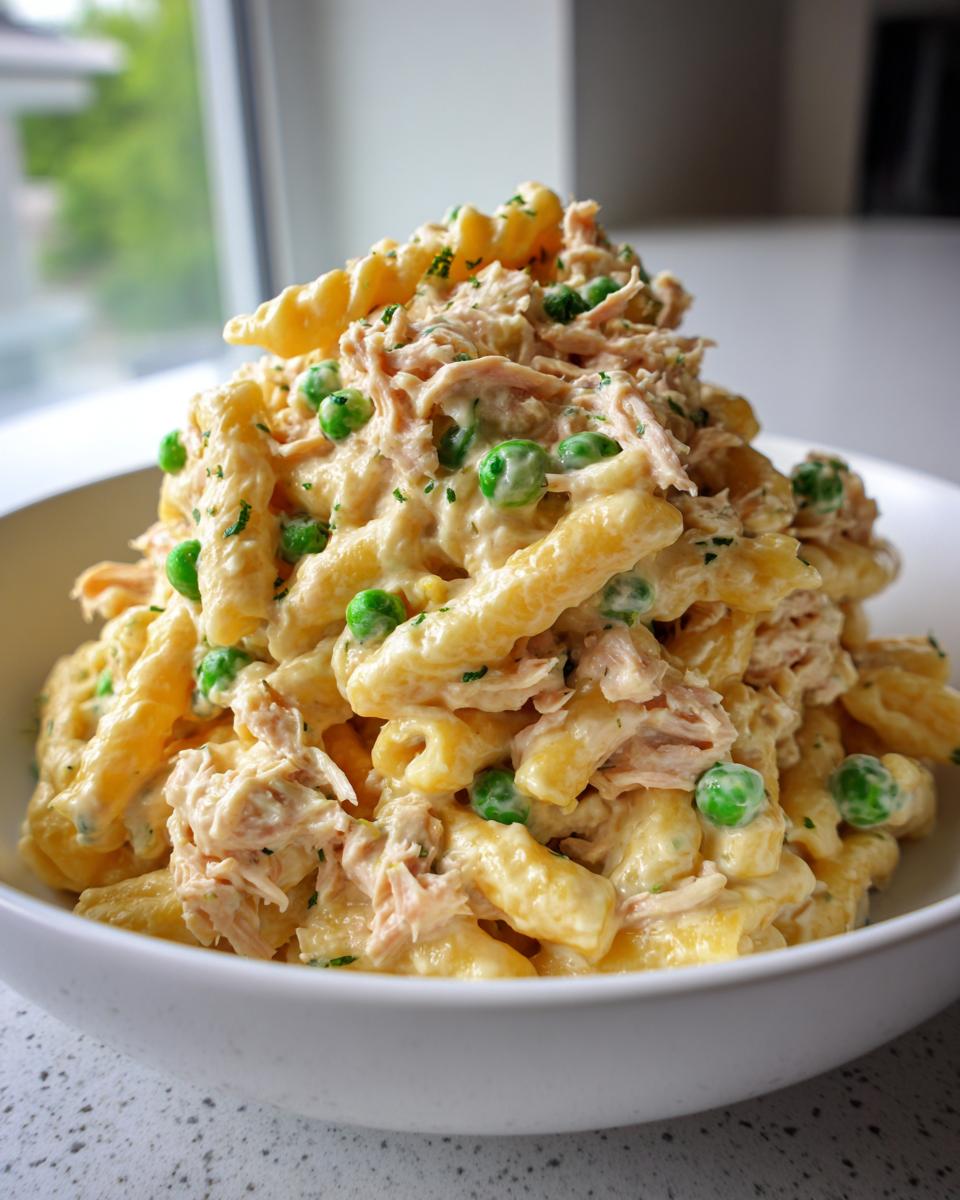
- It falls squarely in the ‘Minimal Cleanup Pasta’ category—you are basically washing one skillet!
- These are the ultimate **quick weeknight tuna meals**; we’re talking 30 minutes from start to finish.
- It uses basic ingredients, making it one of the best **budget friendly tuna meals** you can pull off.
Speed and Simplicity: A True 30-Minute Tuna Pasta
Forget those recipes that claim 15 minutes but require ten separate bowls. Because we are using the one-pan method, we build the sauce right where the pasta was cooked. This cuts down on active time tremendously. You cook your pasta, then you use that same pan for the onion, the flour, the milk, and finally, whisking in the cheese. It’s efficient cooking, truly! This speed makes it feel like cheating sometimes.
Ultimate Comfort Food Pasta Dishes Appeal
There’s something magical about that velvety texture that coats every piece of pasta. It’s rich, it’s cheesy, and it feels like a warm hug. When I finally started cooking for myself again, these kinds of **comfort food pasta dishes** saved my sanity. It tastes exactly how a hearty, homemade meal should taste, which is why it’s a staple in my rotation. If you’re looking for more reliable home cooking inspiration, browse my latest posts on the Gourmet Gaze Blog.
Essential Ingredients for Your Creamy Tuna Pasta Skillet
When we talk about an easy tuna pasta recipe, we’re talking about relying on things you probably already have lurking in the pantry, which is key for making budget friendly tuna meals. I’ve broken down the ingredients below so you know exactly what you need to gather before you even think about turning on the stove. Remember, quality ingredients make even the simplest dishes shine, which is always my approach here at Gourmet Gaze.
- 12 ounces pasta (I prefer rotini or penne because those little spirals hold onto the sauce beautifully!)
- 1 tablespoon olive oil
- 1 small yellow onion, chopped
- 2 cloves garlic, minced
- 1/4 cup all-purpose flour (This is our secret helper for thickening the sauce!)
- 2 cups milk (I use whole milk for the creamiest result, but 2% works too.)
- 1 cup chicken or vegetable broth (Use low sodium if you can!)
- 1 teaspoon Dijon mustard
- 1/2 teaspoon salt
- 1/4 teaspoon black pepper
- 1/4 teaspoon paprika
- 2 (5 ounce) cans tuna in water, drained well
- 1 cup frozen peas (Don’t even think about thawing them first!)
- 1 1/2 cups shredded sharp cheddar cheese
- 1/4 cup grated Parmesan cheese
This is a solid list, but I want to talk about the staples that really make the difference between a good dish and a great one. If you’re looking for other simple comfort dishes, you might enjoy my Easy Chicken Pot Pie Casserole recipe, which relies on similar principles of ease!
Pantry Staples: The Base of This Canned Tuna Recipe
The canned tuna is the star here, obviously. Make sure you drain those cans really well! Excess water will thin out your sauce later, and we are aiming for thick, clingy goodness. While the recipe calls for tuna packed in water, I often splurge and use tuna packed in olive oil—you just want to drain off most of that oil gently. It adds a little depth that canned tuna sometimes lacks. The pasta choice is functional; use what cooks evenly. And that flour? That’s what turns your milk into a proper Béchamel base before we add the broth. Don’t skip cooking it for that minute; that gets rid of any raw flour taste.
Building the Creamy Sauce: Milk, Broth, and Cheese
The dairy and stock create the body of this sauce. The combination of milk and broth gives it that classic, savory flavor profile everyone expects from a great **cheesy tuna pasta**. The Dijon mustard sounds odd, but trust me, it’s like a secret flavor multiplier; it doesn’t make it taste like mustard, it just brightens up everything else! We use sharp cheddar for that tangy bite and Parmesan for that salty, nutty finish. Get your cheeses shredded before you start cooking, because speed is key when combining everything near the end!
Step-by-Step Instructions for the One Pot Tuna Pasta
This is where the magic happens—and where we prove this **tuna pasta** is the definition of minimal cleanup. Since we are using one large skillet, organization is your best friend here! Have all your spices ready and your cheese shredded before you start the sautéing process. If you follow these steps exactly, you’ll have a perfect sauce every single time. For more simple, delicious pasta ideas, take a look at my Creamy Lemon Pasta Recipe!
Cooking the Pasta and Sautéing Aromatics
First up, get your 12 ounces of pasta cooking according to the package directions, but pull it one minute early—we want it just shy of done (al dente!). While that’s bubbling away, heat your olive oil in your big, deep skillet over medium heat. Toss in the chopped onion and let it sweat it out until it’s soft, which usually takes about 5 minutes. Then, add that minced garlic. Be careful here; garlic burns fast, so let it cook just for 60 seconds until you can really smell it!
Creating the Velvety Sauce Base
Now, we build the roux! Whisk in that quarter cup of flour right over the onions and garlic and let it cook for a full minute, stirring constantly so it becomes a nice paste. This step is vital for thickening. Next, this is where you need to be patient: slowly pour in the milk while whisking like crazy to smash any potential lumps. Once the milk is incorporated, stir in the broth, Dijon, salt, pepper, and paprika. Bring that whole mixture up to a slow simmer, stirring frequently, for about 5 to 7 minutes. It needs to thicken enough to just coat the back of a spoon—that satisfying thickness is what makes this such a great **comfort food pasta dish**.
Finishing the Tuna Pasta Skillet Dinner
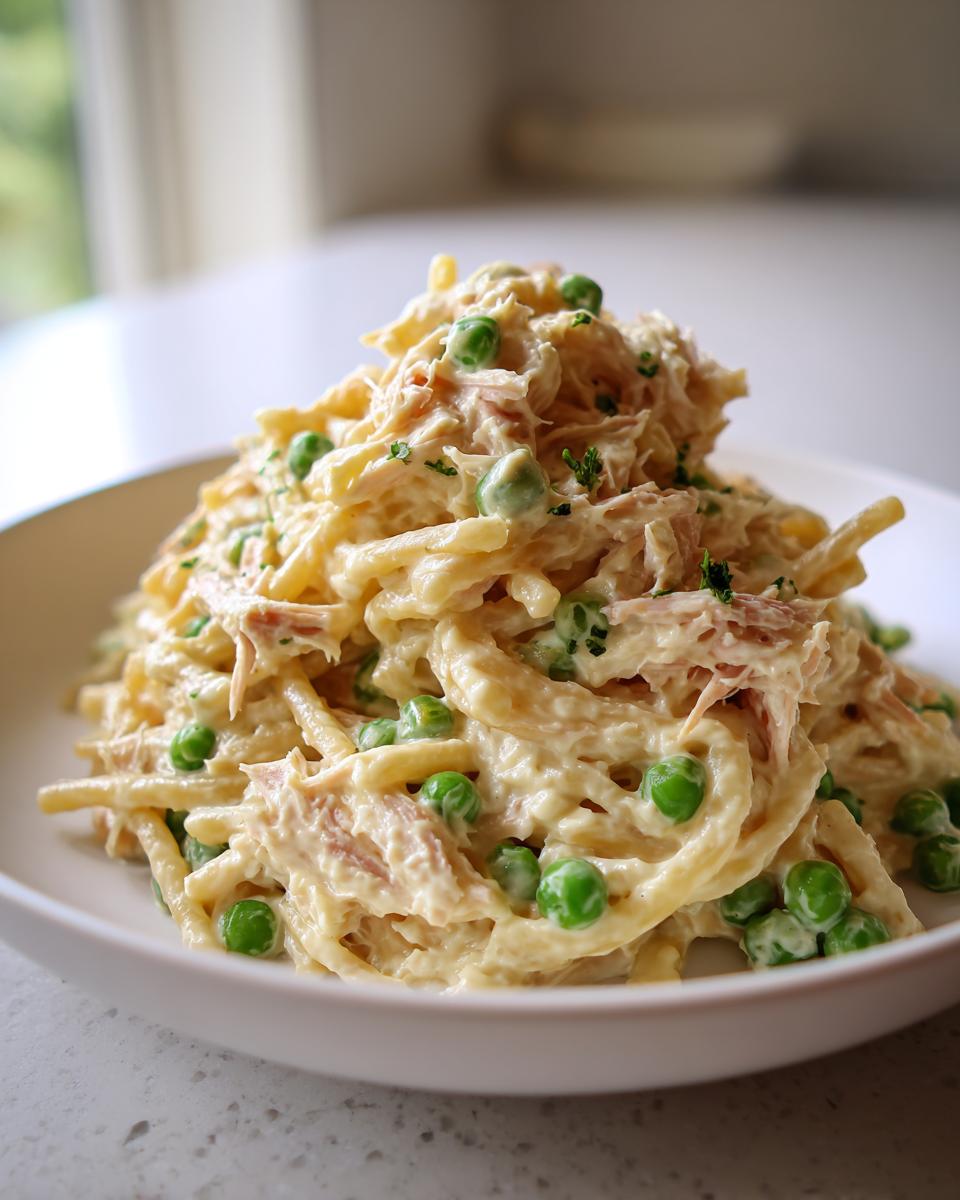
Once the sauce is thick, drop the heat down low. Stir in your well-drained tuna and those frozen peas—they’ll warm up fast. Cook for about two more minutes. Now, this is the most important tip for luscious texture: pull the skillet completely off the burner. Stir in both the cheddar and Parmesan cheese until everything melts into one smooth, velvety pool. Finally, fold in your cooked, drained pasta. Toss until every noodle is coated in that gorgeous sauce. Serve this tuna skillet dinner immediately while it’s hot and intensely creamy!
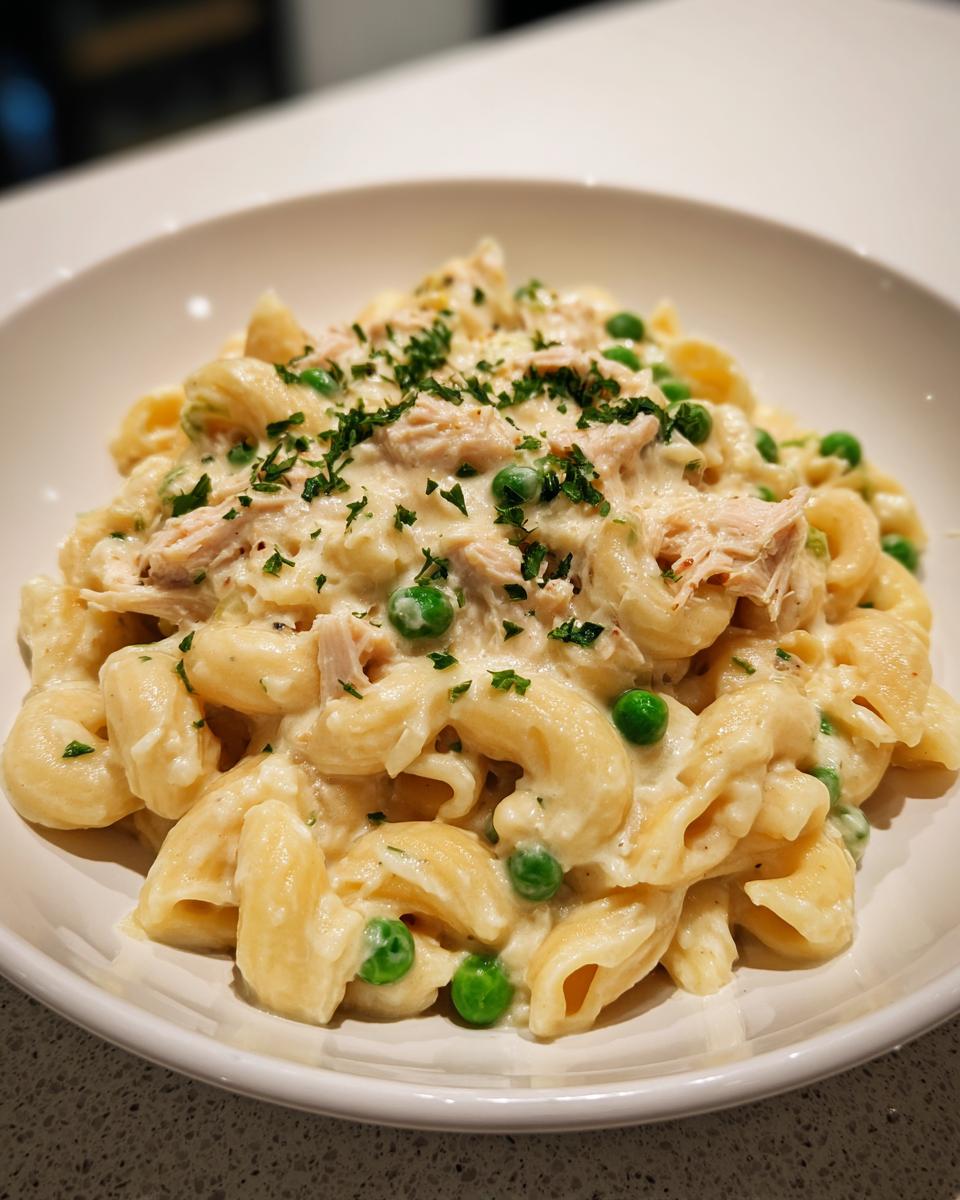
Tips for the Best Creamy Tuna Pasta Experience
Look, making an easy tuna pasta recipe shouldn’t feel like a gamble. That’s why I want to share the little adjustments that elevate this from dinner-saver to actual favorite. These are the small things that show you put care into your cooking, even when you’re pressed for time. These tips ensure you get that rich texture every single time, which is what matters most when creating **comforting dinners**.
Ingredient Swaps and Flavor Boosts for Tuna Pasta
If you aren’t crazy about peas, please feel free to swap them out for frozen corn. They both bring a nice pop of color and sweetness to the richness of the cheese sauce. Also, when it comes to the cheddar cheese, don’t skimp! If you want a bolder flavor profile, swapping the sharp cheddar for an extra sharp cheddar is my favorite trick. It cuts through the creaminess perfectly. Even better, if you have some fresh parsley or chives kicking around, toss them in when you add the tuna for a fresh, bright lift.
Preventing a Grainy Sauce in Your Tuna Pasta
This is the single most important piece of advice I can give you regarding any cheese sauce, especially one using cheddar. You MUST take the skillet completely off the burner before you stir in the cheese. If that sauce is still simmering on direct heat when the cheese hits it, the proteins tighten up and you get stringy, slightly grainy clumps instead of a smooth, luxurious sauce. Patience for sixty seconds off the heat guarantees that perfect texture. For other reliable pantry meals, see my Tuna Poke Bowl guide!
Storage and Reheating Instructions for Leftover Tuna Pasta
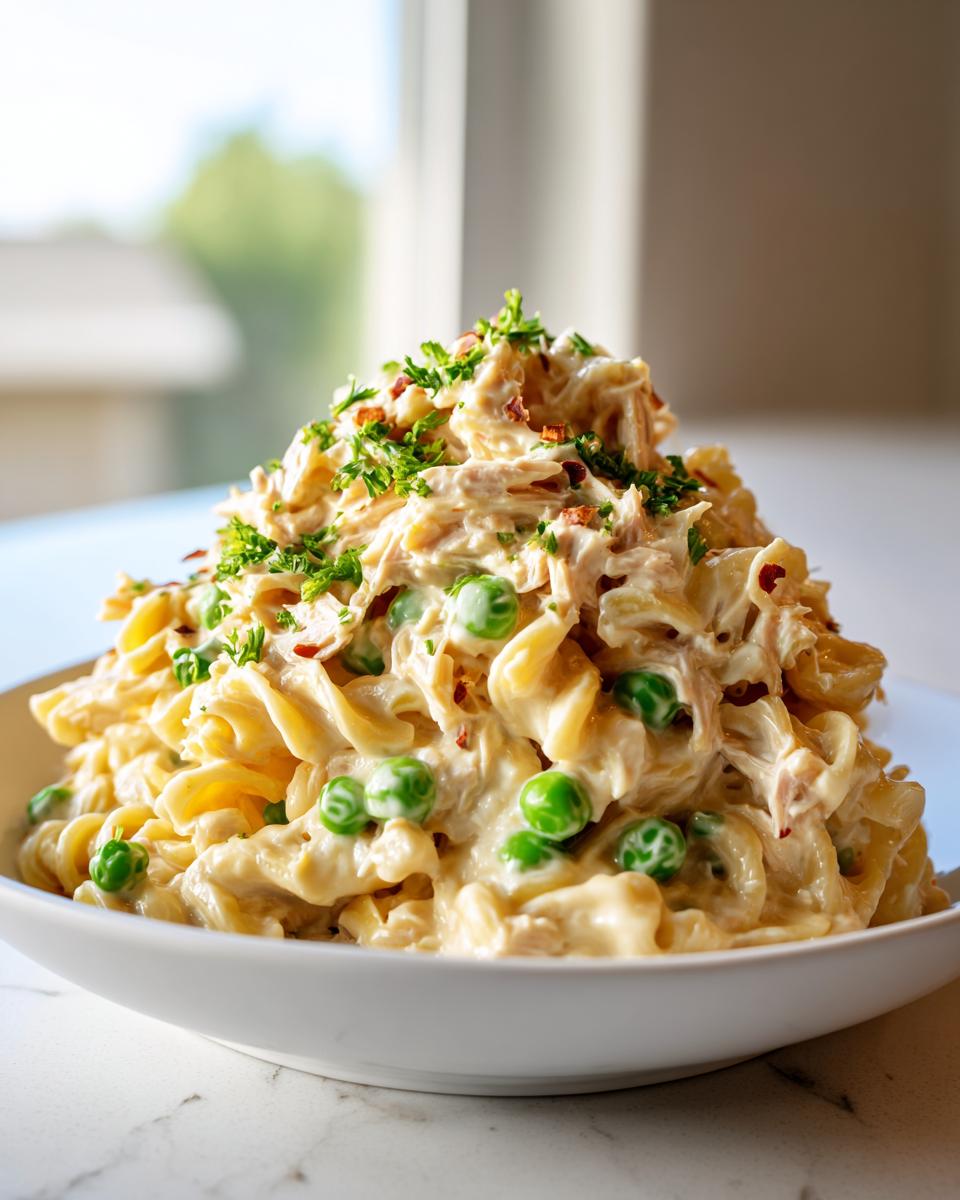
The beauty of making a family favorite pasta like this is often the leftovers! Because this creamy tuna pasta skillet is so rich, it actually tastes even better the next day once the flavors have really settled into the noodles. If you have any left—and honestly, I doubt you’ll have much—storage is very straightforward. Just make sure you cool it down slightly before sealing it up. You don’t want excess steam trapping moisture in the container and giving you mushy noodles later.
Pop the leftovers into a clean, airtight container. You can easily keep this in the refrigerator for about three to four days. It holds up really well, though the sauce will inevitably thicken quite a bit as it chills. That’s normal for any starch-based sauce!
The Trick to Reheating Creamy Pasta Without Drying It Out
Reheating is where most people mess up leftover creamy dishes. If you just blast it in the microwave uncovered, you’ll end up with tough tuna bits and paste-like noodles. We need moisture back in there!
Here is my foolproof method: Transfer the portion you want to eat into a microwave-safe bowl. Add just a small splash—maybe a teaspoon or two—of milk or broth for every cup of pasta you’re reviving. Cover the bowl loosely with a damp paper towel before microwaving. This traps the steam! Heat it in short 30-second bursts, stirring in between, until it’s just warmed through. That little bit of extra liquid will rehydrate the sauce and bring back that lovely coating texture. It tastes almost as good as fresh!
If you’re looking for other comforting recipes that reheat beautifully, you absolutely must try my Creamy Chicken Pearl Couscous Soup next week. It travels just as well!
Common Questions About This Tuna Pasta Recipe
Even the easiest recipes bring up questions, and that’s totally okay! When I first started transitioning my cooking style from corporate takeout to meaningful weeknight dinners, I had a million doubts. Should I substitute this? Can I bake that? I gathered the most frequent questions I get about this **tuna pasta** to hopefully save you some guesswork. I want this to feel completely approachable, whether you’re dusting off your college pots or you’re a seasoned home cook.
Can I turn this skillet tuna pasta into a Tuna Pasta Bake?
Oh, absolutely you can transform this into a hearty, bubbling casserole! That’s the beauty of a great base recipe. If you want to make a **Tuna Pasta Bake**, simply follow all the steps right up until the point you add the cheese and pasta to the skillet. Instead of serving it straight from the pan, gently scrape the entire mixture—pasta, sauce, tuna, everything—into a lightly greased 8×8 inch baking dish. Top generously with extra shredded cheddar, maybe even a sprinkle of panko breadcrumbs for crunch, and bake at 375°F (190°C) for about 15 to 20 minutes. You just need it to get piping hot and the top nice and golden brown. It’s a little more effort, but so worth it for that classic feel!
What is the best way to make this a Budget Friendly Tuna Meal?
Since this recipe already relies heavily on pantry items, it’s already way ahead of the game in terms of being budget friendly! My best advice for keeping costs down is two-fold. First, for the pasta, grab whatever bulk dried option is on sale. Rotini, penne, shells—they all work the same way here. Second, check the price points on your canned tuna. Tuna packed in water is almost always cheaper than oil-packed, and since we are relying on milk and broth for richness, the flavor difference is minimal. If cheese prices are high that week, you can reduce the cheddar by half a cup and make up the volume with an extra splash of broth—it will still be plenty cheesy!
Can I use fresh tuna instead of canned tuna?
That is a great question, and the short answer is yes, but it drastically changes the recipe, moving it away from ‘quick pantry meal’ status. If you use fresh tuna steaks, you’d need to cook them separately first—either pan-sear or poach them until just flaky, then cut them into bite-sized pieces. Because fresh tuna doesn’t have that same salty, preserved depth as canned tuna, you might need to boost the flavor in your sauce with a little extra salt or perhaps some dried Italian herbs when you simmer the milk and broth. For a true 30-minute meal, stick to the cans!
Is this recipe overly high in sodium?
Because we are using broth and canned goods, you need to be mindful of your salt! The original recipe calls for a half teaspoon of added salt, but I highly recommend buying low-sodium chicken or vegetable broth if you can find it. That makes the biggest difference! Also, drain your canned tuna thoroughly; water adds sodium! If you cut the added salt down to a quarter teaspoon and use low-sodium broth, you end up with a much more controllable sodium level overall. It’s all about smart substitutions to keep this a fantastic, comforting dinner.
If you’re looking for another reliable staple that has stood the test of time in my kitchen, be sure to check out my guide on the Classic Tuna Casserole Recipe!
Nutritional Snapshot of This Comforting Dinner
I always say that knowing what’s in your food is just as important as loving the way it tastes. While this Creamy Tuna Pasta Skillet is designed for maximum comfort and ease, it also packs a good punch of protein thanks to that hearty canned tuna. Keep in mind that these numbers are based on the exact breakdown and ingredients listed in the recipe above—the type of milk you use or how much cheese you decide to splurge on will definitely shift the final count, so consider this your baseline!
Here is a general nutritional estimate per serving (Yield: 4 servings):
- Calories: 580
- Fat: 18g
- Saturated Fat: 10g
- Trans Fat: 0g
- Cholesterol: 45mg
- Sodium: 650mg
- Carbohydrates: 70g
- Fiber: 4g
- Protein: 35g
- Sugar: 6g
Because we rely on whole ingredients like milk and broth, this dish manages to be satisfying without being overly heavy, though the 10 grams of saturated fat come largely from that delicious sharp cheddar cheese! If you are tracking macros, the good news is you are getting a fantastic 35 grams of protein in every bowl, which is excellent for a **quick weeknight meal**!
Share Your Gourmet Gaze Tuna Pasta Creation
This is where our cooking journey together enters its best phase: sharing! I genuinely want to see what you created in your kitchen. Did you add a twist I hadn’t even considered? Did you serve it with garlic toast, or maybe you went all-in on the cheese?
Please take a moment to rate this Creamy Tuna Pasta Skillet. Your star rating helps other home cooks who are looking for a reliable, easy tuna pasta recipe decide to give it a try. It means the world to me when I see people finding joy and comfort on their plates!
If you snap a picture of your beautiful, creamy, minimal-cleanup masterpiece, tag Gourmet Gaze on social media! I love collecting those photos and sharing the best ones on my stories. Don’t be shy; let’s celebrate this wonderful tuna pasta skillet together. If you have any lingering questions or want to share your experience, feel free to reach out through the Contact Page!
Share Your Gourmet Gaze Tuna Pasta Creation
This is where our cooking journey together enters its best phase: sharing! I genuinely want to see what you created in your kitchen. Did you add a twist I hadn’t even considered? Did you serve it with garlic toast, or maybe you went all-in on the cheese?
Please take a moment to rate this Creamy Tuna Pasta Skillet. Your star rating helps other home cooks who are looking for a reliable, easy tuna pasta recipe decide to give it a try. It means the world to me when I see people finding joy and comfort on their plates!
If you snap a picture of your beautiful, creamy, minimal-cleanup masterpiece, tag Gourmet Gaze on social media! I love collecting those photos and sharing the best ones on my stories. Don’t be shy; let’s celebrate this wonderful tuna pasta skillet together. If you have any lingering questions or want to share your experience, feel free to reach out through the Contact Page!
PrintOne-Pan Creamy Tuna Pasta Skillet Dinner
Make mealtime simple with this one-pan creamy tuna pasta skillet. This recipe uses pantry staples for a comforting, budget-friendly meal ready in 30 minutes or less.
- Prep Time: 10 min
- Cook Time: 20 min
- Total Time: 30 min
- Yield: 4 servings 1x
- Category: Dinner
- Method: Skillet Cooking
- Cuisine: American
- Diet: Vegetarian
Ingredients
- 12 ounces pasta (like rotini or penne)
- 1 tablespoon olive oil
- 1 small yellow onion, chopped
- 2 cloves garlic, minced
- 1/4 cup all-purpose flour
- 2 cups milk (whole or 2%)
- 1 cup chicken or vegetable broth
- 1 teaspoon Dijon mustard
- 1/2 teaspoon salt
- 1/4 teaspoon black pepper
- 1/4 teaspoon paprika
- 2 (5 ounce) cans tuna in water, drained well
- 1 cup frozen peas
- 1 1/2 cups shredded sharp cheddar cheese
- 1/4 cup grated Parmesan cheese
Instructions
- Cook the pasta according to package directions until al dente. Drain the pasta and set aside.
- While the pasta cooks, heat the olive oil in a large, deep skillet or Dutch oven over medium heat. Add the chopped onion and cook until softened, about 5 minutes.
- Add the minced garlic to the skillet and cook for 1 minute until fragrant.
- Whisk in the flour until it forms a paste with the oil and onions. Cook for 1 minute, stirring constantly.
- Slowly pour in the milk while whisking continuously to prevent lumps. Stir in the broth, Dijon mustard, salt, pepper, and paprika.
- Bring the sauce to a simmer, stirring often, until it thickens enough to coat the back of a spoon, about 5 to 7 minutes.
- Reduce the heat to low. Stir in the drained tuna and the frozen peas. Cook until the peas are heated through, about 2 minutes.
- Remove the skillet from the heat. Stir in the cheddar cheese and Parmesan cheese until the sauce is smooth and creamy.
- Add the cooked and drained pasta to the skillet. Toss everything together until the pasta is fully coated in the creamy sauce.
- Serve the **creamy tuna pasta** immediately for a satisfying **quick weeknight meal**.
Notes
- For a richer flavor, use tuna packed in olive oil instead of water.
- You can substitute frozen corn for the peas if you prefer.
- If you want a sharper cheese flavor, use an extra sharp cheddar.
Nutrition
- Serving Size: 1 serving
- Calories: 580
- Sugar: 6
- Sodium: 650
- Fat: 18
- Saturated Fat: 10
- Unsaturated Fat: 8
- Trans Fat: 0
- Carbohydrates: 70
- Fiber: 4
- Protein: 35
- Cholesterol: 45