
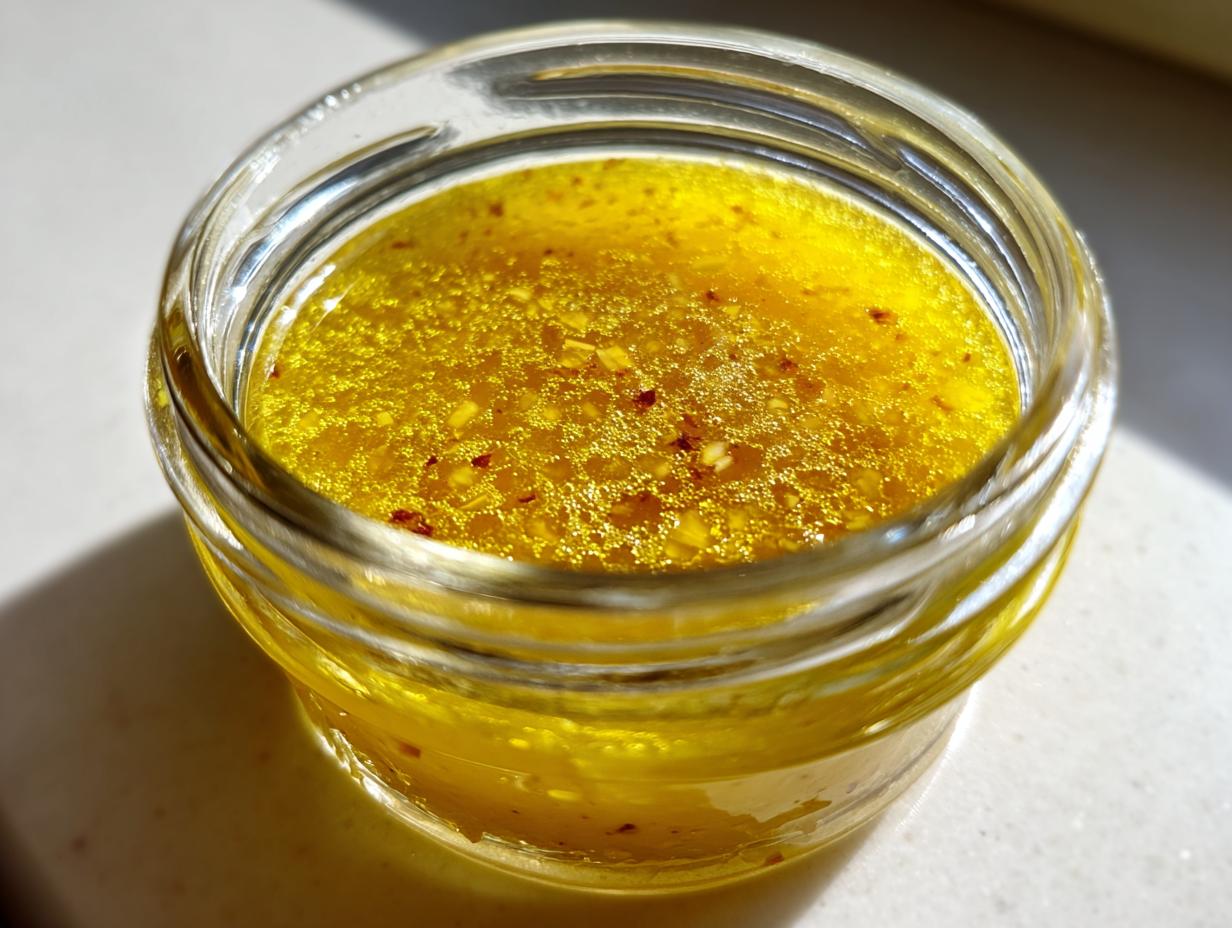

If your refrigerator door is currently overflowing with half-used, preservative-laden bottles, it’s time for an intervention. I know that feeling—my corporate life left me too drained to care about what was in my food. But after that critical moment in New Orleans, I realized that the difference between an okay salad and a spectacular one often comes down to the salad dressing on top. I spent years obsessing over flavor development, and what I learned is that restaurant-quality taste doesn’t require hours of cooking, just good technique and real ingredients. That’s why I’m starting this journey with the absolute best store bought alternative I’ve ever created: the 5-Minute Everyday Lemon Vinaigrette. Get ready to toss out those jars!
- Why This 5-Minute Lemon Vinaigrette is the Best Salad Dressing Recipe
- Gathering Ingredients for Your Homemade Salad Dressing Recipes
- How to Make Salad Dressing at Home: Step-by-Step Lemon Vinaigrette Instructions
- Expert Tips for the Perfect Everyday Salad Dressing
- Beyond Vinaigrette: Exploring Other Homemade Salad Dressing Types
- Storage and Reheating Instructions for Your Salad Dressing
- Frequently Asked Questions About Making Salad Dressing
- Nutritional Estimates for This Zesty Salad Dressing
- Share Your Homemade Salad Dressing Creations
Why This 5-Minute Lemon Vinaigrette is the Best Salad Dressing Recipe
Honestly, I used to think homemade salad dressing was reserved for people with endless time—which was definitely not me when I was staring down marketing deadlines. But this lemon vinaigrette completely flipped that script. It proves that the best salad dressing recipe isn’t the most complicated; it’s the freshest. We’re talking bright, zesty, vibrant flavor that only happens when you use fresh lemon juice. This isn’t some heavy, gummy mixture; it’s pure, clean taste that seriously elevates the greens, making it my go-to easy salad dressing.
This recipe changed everything for me. I remember the first time I whisked this up after coming home from that trip, skipping the stale bottle in the pantry. It felt decadent, yet it took less time than driving to the store! You’ll see just how easy it is to take control of your pantry moving forward. Knowing you can generate this level of flavor so quickly keeps me inspired to keep exploring other homemade salad dressing recipes.
Quick Flavor Boost: Mastering the 5 minute dressing
When I say 5 minute dressing, I mean it. You need a couple of minutes for the initial whisking and the oil incorporation, and that’s it. There’s no cooking, no weird equipment needed—just a bowl and a whisk. Because we’re using high-quality olive oil and fresh lemon, the flavor is immediate and bold. It’s all about hitting that perfect sweet-and-sour balance in under five minutes. Seriously, if you’re looking for an everyday salad companion, this is it (check out this reference for inspiration on keeping things zesty!).
Versatile Salad Sauce for Every Meal
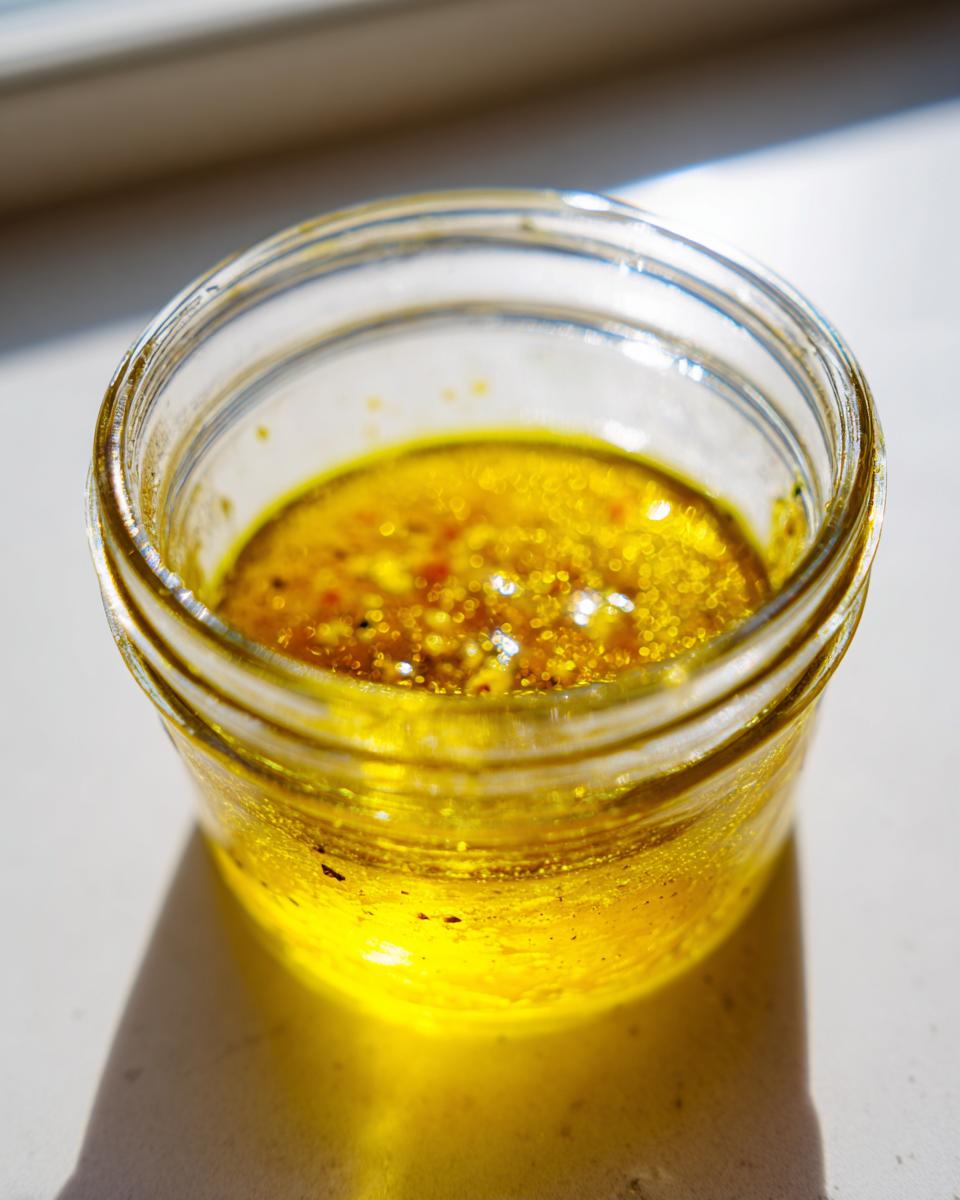
Don’t lock this recipe just inside a salad bowl; it’s far too good for that. This bright, tangy flavor profile makes it an incredible versatile salad sauce. I use the leftovers all the time! Drizzle it over roasted asparagus or broccoli—the acidity cuts through the roasting char beautifully. It’s also fantastic as a quick marinade for chicken breasts before they hit the grill. It truly is the ultimate companion for almost anything.
Gathering Ingredients for Your Homemade Salad Dressing Recipes
When you’re making something this fresh, the quality of your ingredients really shines through. Since this lemon vinaigrette comes together so fast, there’s no time for flavors to hide behind preservatives or stabilizers. Everything we use here is meant to be bright and clear, which is why I always recommend using what you have on hand, but prioritizing fresh citrus. Think of this list as your foundational dressing basics; once you master this framework, you can swap things out all day long!
For this particular zesty recipe, here is exactly what you’ll need. Make sure your oil is a good quality extra virgin olive oil, because it is the foundation of the flavor. If you want this to be a real pantry ingredient dressing success, don’t skimp on the oil!
- 1/2 cup extra virgin olive oil (use the good stuff, trust me!)
- 1/4 cup fresh lemon juice (this step is non-negotiable, bottled juice won’t cut it!)
- 1 small shallot, finely minced (we want that mild onion bite)
- 1 teaspoon Dijon mustard (this helps hold everything together)
- 1/2 teaspoon kosher salt
- 1/4 teaspoon black pepper
- 1 teaspoon maple syrup or honey (this is just for balancing the tartness, optional)
Take a moment to measure everything out before you start your whisking. Having everything prepped means you can focus purely on the technique when it’s time to bring it all together. For more inspiration on sauces and other quick salad toppers, make sure you check out my latest posts from the kitchen!
How to Make Salad Dressing at Home: Step-by-Step Lemon Vinaigrette Instructions
Alright, now that we have our beautiful ingredients assembled—and I mean *all* of them ready to go—we can start building this incredible salad dressing. Remember, the beauty of learning how to make salad dressing at home is that it’s all about controlled chaos that results in perfection. We’re using the classic technique here, which is far superior to just throwing everything in a jar and shaking (though sometimes I do that too, oops!).
First things first: Get a small bowl—one that has nice high sides so you don’t splatter your pristine white countertops. We start by combining everything that isn’t the olive oil first. Whisk together the fresh lemon juice, that finely minced shallot, the Dijon mustard, salt, pepper, and the sweetener if you’re using it. Whisk this mixture until it looks uniform. This base acids and flavorings need to be perfectly mixed before we introduce the fat.
Next comes the crucial part that turns this from juice into a gorgeous, stable lemon vinaigrette. You need to start drizzling that 1/2 cup of extra virgin olive oil in the SLOWEST stream possible while whisking furiously. Yes, your arm will get a workout for about 60 seconds, but that’s what it takes! You are physically forcing those oil and water molecules to combine. Once that initial oil is incorporated, you can speed up the drizzle just a touch, but keep that whisk moving constantly. If you dump the oil in too fast, you’ll just end up with separated oil floating on top, which is definitely not the texture we want. If you want a deep dive into keeping things perfectly combined, check out this great resource on making dressings.
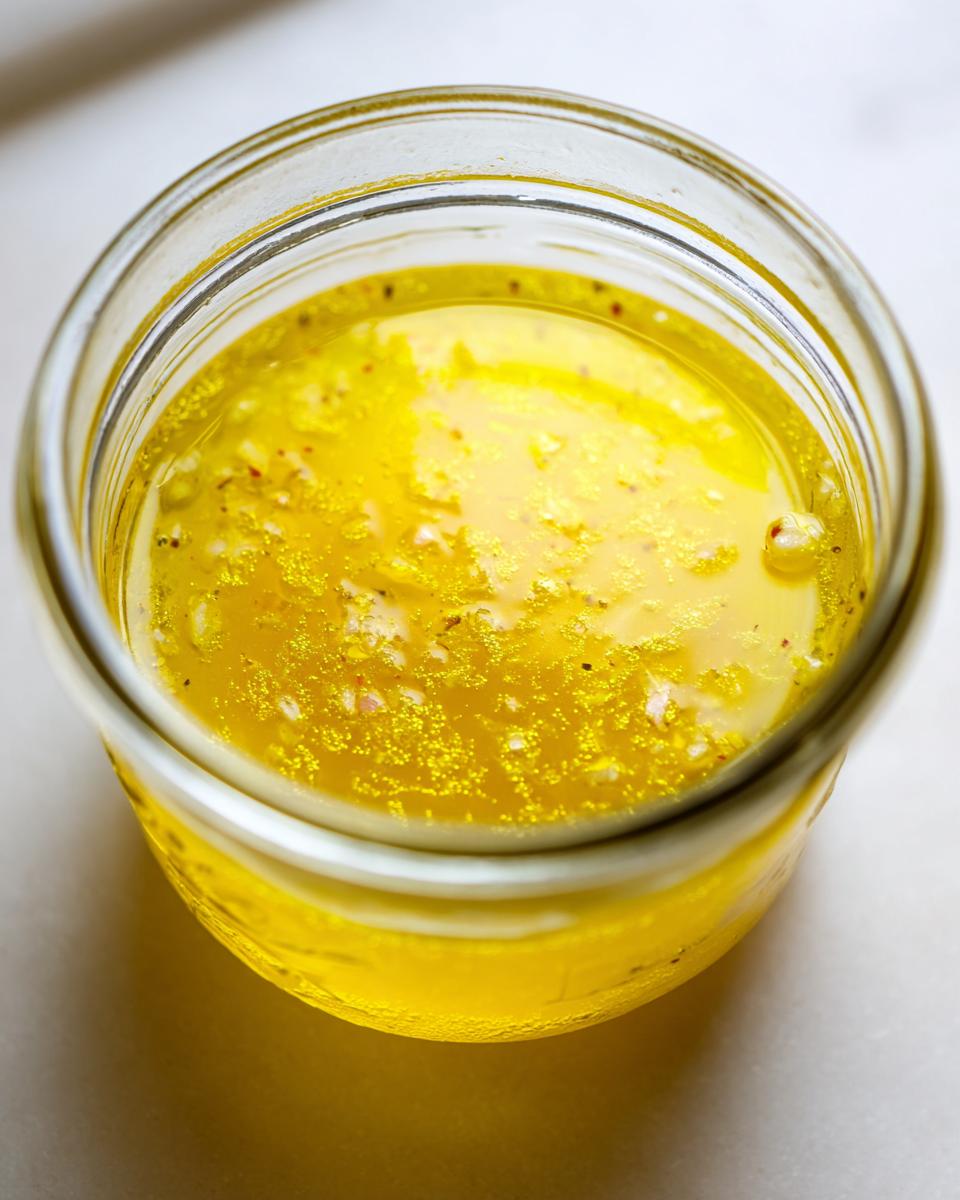
Once it’s all incorporated and looks slightly opaque and creamy—that’s the emulsion working!—give it a quick taste test. Does it need a little more salt? A touch more zing? Adjust it now. This zesty dressing will be complex and bright, ready to go right over your fresh greens, or you can see how it works beautifully as a quick marinade for something like my chicken piccata!
The Secret to Emulsifying Your Salad Dressing
When we talk about emulsification, we are talking about creating a stable mixture out of two ingredients that naturally hate each other: oil and water (or in this case, lemon juice). The Dijon mustard is our little secret weapon here; it contains natural emulsifiers. But the real magic? It’s the sheer mechanical force of your whisking while slowly introducing the oil.
Imagine you are gently persuading the oil drops to become friends with the lemon juice drops. If you add the oil too fast, the drops clump together into separate puddles—that’s a broken vinaigrette. If you go slowly and keep whisking vigorously, those tiny oil particles get trapped inside the mustard-acid mixture uniformly. This process locks everything in place, giving the dressing that beautiful, slightly thick, silky mouthfeel that mimics a superior store-bought texture, just cleaner and brighter. It’s the foundation for any tangy salad dressing you want to master!
Expert Tips for the Perfect Everyday Salad Dressing
Once you nail the basic whisking technique for our lemon vinaigrette, the next step is building that authoritativeness in your own kitchen. I learned pretty quickly that while the recipe is concrete, the ingredient quality makes a huge difference in the final product. If you’re relying on this as your go-to pantry ingredient dressing, make sure the staples are top-notch. I am religious about using fresh lemon juice—and I mean juiced seconds before it hits the bowl. Bottled stuff is usually muted and often stabilized with preservatives that throw off the sharp, zesty profile we are chasing here. It’s worth the extra minute of squeezing, trust me.
I’ve played around with this ratio dozens of times, trying to find that perfect balance between fat and acid. When you get the ratio wrong, you end up with something greasy or something mouth-puckeringly sour. The three-part rule for success in my book is: Fresh Acid, Good Oil, and a touch of Sweetener to bridge the gap. This mastery is what separates my dressing from that bland stuff in a plastic bottle.
Ingredient Notes and Substitutions for this Salad Dressing
The flexibility of this base recipe is one of the reasons I love it so much. It’s inherently adaptable, which means you can easily tweak it to be a gluten free salad dressing (which it already is!) or even swap things around to accommodate what you ran out of this week. The core structure—acid, oil, emulsifier, seasoning—stays the same, but the players can change.
For instance, if you don’t have lemon but have great red wine vinegar or apple cider vinegar on hand? Go for it! Maybe you need vegan salad dressing options; simply swap the honey for agave nectar or use the maple syrup. You can also infuse flavor without adding bulk. If you want to make this ultra-herbaceous, chop up a teaspoon of fresh oregano or basil and toss it in with the shallots. This is how you start developing your own signature flavor profile, moving beyond just following a recipe. If you are exploring other incredible homemade condiments, take a look at my tips for the easy dumpling sauce; the principles of balancing acid and savory notes are surprisingly similar!
Beyond Vinaigrette: Exploring Other Homemade Salad Dressing Types
Now that you’ve mastered the foundation with this brilliant lemon vinaigrette, I want you to feel empowered to explore the entire world of spectacular, unprocessed salad dressing. The flavor ceiling in store-bought bottles is so incredibly low once you’ve tasted freshness. This framework we used—acid, oil, emulsifier, seasoning—is the blueprint for everything!
You can move quickly into realms of flavor you never thought possible at home. For instance, if you’re craving something richer for a Caesar or a hearty wedge salad, you can dive into creamy salad dressing territory. That usually involves blending yogurt, cashew cream, or maybe making a fantastic baked parmesan inspired dish and wanting a rich topping! We’ll cover true creamy recipes soon, including how to make a stunning parmesan dressing recipe that tastes like you stole it from a fancy Italian chain.
Think about what else you need to support your healthy eating goals. If you are looking for inspiration on expanding your homemade repertoire beyond just what I’ve shared here for the zesty vinegar options, take a look at these other great approaches to homemade flavor profiles (this roundup has some fantastic ideas).
How to Achieve a Healthy Salad Dressing Texture
The whole reason we started this journey was to replace those processed options, right? Achieving a truly healthy salad dressing often comes down to how you manage the texture without relying on thickeners like eggs or heavy dairy. With this vinaigrette, we achieved a beautiful, light, *healthier* texture simply by using good oil and whisking hard enough to create a temporary emulsion. It coats the leaves without weighing them down.
When you start looking at those heavier, creamy salad dressing options—like some of the yogurt-based or avocado-based ones—the texture changes dramatically. They are inherently thicker, naturally, but you need to watch your fat additions carefully. If you’re aiming for healthy, look to Greek yogurt or blending silken tofu to add body instead of loading up on mayonnaise or more oil than necessary. The trick is balance; you want flavor saturation without the heavy pour. This light, zesty approach is fantastic for everyday greens, while the creamy versions shine when they need to stand up to heartier ingredients like roasted root vegetables or grilled proteins.
Storage and Reheating Instructions for Your Salad Dressing
This is where the convenience of a homemade salad dressing really pays off! Unlike those bottled imitations that last six months once opened, our fresh lemon vinaigrette needs a little respect, but it’s still incredibly easy to keep on hand. Because we used no artificial stabilizers, you’ll notice separation happening almost immediately once it chills in the fridge. Don’t panic! This is completely natural.
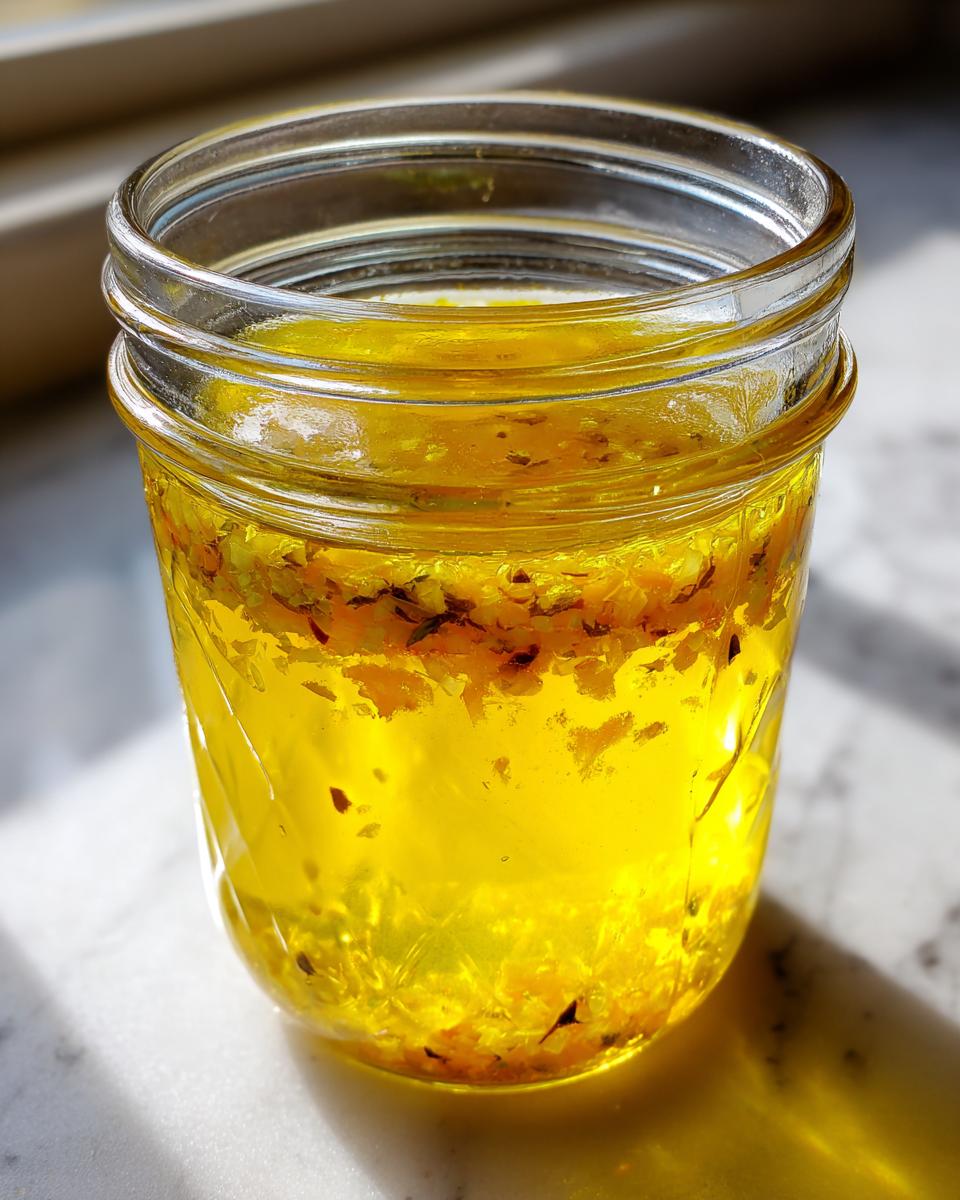
You must store this dressing in a nice, tight airtight container. A small mason jar works wonderfully for this. It should happily live in your refrigerator for about a week. I usually make a batch on Sunday, and it lasts me perfectly through my salads and vegetable sides until the next weekend. If you notice it solidifying a bit, that’s usually just the high-quality olive oil firming up from the cold, not spoilage.
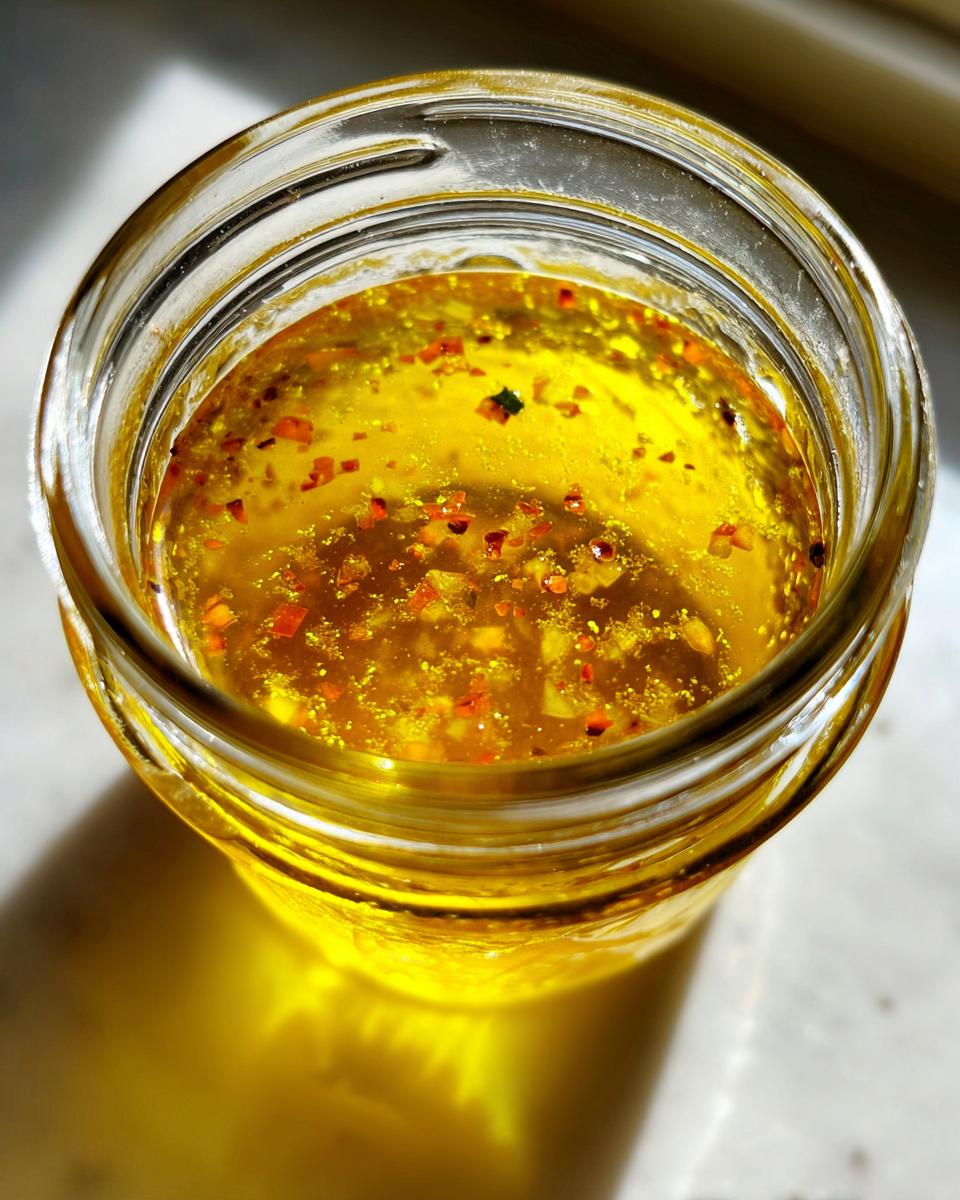
Now, about that reheating—there is no actual reheating here! You’re not putting this beautiful, zesty dressing on the stove. Instead, when you pull it out of the fridge, it will look thick, maybe even slightly cloudy, and definitely separated. All you need to do is let it sit on the counter for about 10 minutes to warm up slightly, and then grab a fork or a dedicated small whisk and beat it vigorously for about 30 seconds. That whisking action wakes up the emulsion again. Seriously, give it a good shake or a serious whisk, and it returns to that silky, pourable texture you loved right after making it. It’s truly ready to use again!
Frequently Asked Questions About Making Salad Dressing
Whenever I post this lemon vinaigrette, I get floods of fantastic questions through my contact form. It’s wonderful seeing everyone excited to make their own homemade salad dressing recipes! Here are the top things people ask me about this specific recipe and vinaigrettes in general. I hope these quick answers help you feel confident whipping this up tonight!
Can I make this without shallots?
Absolutely, you can! Shallots provide a mild, elegant onion flavor that is fantastic, but they aren’t always sitting in everyone’s pantry. If you skip the shallot, you’ll still have a wonderful, zesty dressing. If you want to replace that little bit of onion flavor, I recommend using about 1/4 teaspoon of onion powder or, even better, a tiny pinch of dried minced onion soaked in the lemon juice for about five minutes before you start whisking. This helps it reconstitute perfectly while you prepare the rest of your easy salad dressing!
How long does this salad dressing last?
Since this recipe relies on fresh, vibrant ingredients—especially the fresh lemon juice—it doesn’t last as long as the stuff loaded with preservatives on the shelf. Generally, if kept tightly sealed in the refrigerator, this vinaigrette dressing recipe stays beautifully fresh for about 7 to 10 days. After that, the flavor starts to dull a bit, even if it’s technically safe to eat. My advice? Make a batch just big enough for one week’s worth of meals—it’s so fast, you can always whip up a fresh batch next time you need it!
Can I use bottled lemon juice for this salad dressing?
You know I preach fresh ingredients, and this is one area where you really hear the difference. Bottled lemon juice is often pasteurized, which mutes the bright acidity and can introduce a slightly metallic or cooked taste. This mutes the lift we need for a perfect, tangy salad dressing. For this recipe specifically, I strongly advise against it. If you absolutely must substitute the lemon (maybe you have a major allergy or can’t find fresh lemons), use equal parts apple cider vinegar or white wine vinegar instead. But if you can squeeze one lemon, please do—it makes all the difference in making this the best salad dressing recipe!
What is the best way to store homemade salad dressing?
The best way to store any oil and vinegar-based salad dressing is in a jar with a tight-fitting lid. I often use small Weck jars or standard mason jars. The key thing to remember, which applies to this lemon vinaigrette and any other homemade sauce, is that refrigeration causes separation and stiffening. You should never try to use it cold right out of the fridge! Always pull your jar out about 10 or 15 minutes before serving time, seal that lid tight, and give it a very hard shake until it looks creamy again. If it’s stubborn, a quick whisk works wonders.
Nutritional Estimates for This Zesty Salad Dressing
I always tell people that cooking for yourself is the ultimate step in taking back control of your health. When you stop buying those processed bottles, you ditch the unnecessary sugars, thickeners, and preservatives. Knowing exactly what you’re pouring over your beautiful greens is powerful! Because this lemon vinaigrette is so straightforward, the nutrition is clean and easy to track.
Here are the estimated nutritional breakdowns for this recipe. Remember, these are based on standard ingredient quantities for a serving size of two tablespoons (2 tbsp). If you pour a little extra (and I won’t judge if you do!), the numbers will shift, but you still have a far superior, healthy salad dressing compared to most store-bought options.
- Serving Size: 2 tbsp
- Calories: 140
- Total Fat: 15g (Mostly healthy unsaturated fats!)
- Saturated Fat: 2g
- Trans Fat: 0g
- Carbohydrates: 1g
- Sugar: 1g (Just from the optional honey/maple syrup—so low!)
- Protein: 0g
- Sodium: 250mg
- Cholesterol: 0mg
See? That’s incredibly clean, especially when you consider how much sodium lurks in commercial dressings. This is what a true light and fresh dressing looks like. It’s pure flavor delivered by good oil and sharp lemon. It’s proof that just a few pantry ingredient dressing staples can outperform anything you find on the shelf every single time.
Share Your Homemade Salad Dressing Creations
Well, that’s that! We’ve officially moved beyond the sad, dusty bottle of ranch and conquered the realm of the best salad dressing recipe with this incredible 5-Minute Everyday Lemon Vinaigrette. Now that you have the blueprint for creating something zesty, bright, and unbelievably refreshing in minutes, I need you to get out there and conquer your greens!
Cooking, for me, is a shared experience. It’s about creating something beautiful and then seeing how others make it their own. I pour my heart into these recipes, ensuring they are reliable tools you can use again and again. So please, don’t keep your success a secret!
If you made this, or if you tried swapping the lemon for lime or using a different vinegar to create a totally new tangy salad dressing, I want to hear every detail. Drop a star rating for the recipe right below this section—it helps other home cooks see that this is truly a reliable staple. Tell me what salad you paired it with, or if you used it as a marinade for that grilled chicken.
Leave a comment, upload a photo of your finished product (I always love seeing how you beautifully style your food!), and let’s keep this conversation going. If you’ve got questions still lingering about your newfound skills in making the perfect emulsion, ask away! It’s an honor to know that this little jar of homemade goodness is now a part of your repertoire. Thank you for trusting me to help you elevate your kitchen game. Don’t forget to check out my policy details if you’re wondering about site usage!
Happy whisking, and I can’t wait to see what you create next!
Print5-Minute Everyday Lemon Vinaigrette: The Best Homemade Salad Dressing
Stop buying store-bought dressings. This easy, homemade lemon vinaigrette recipe comes together in five minutes using simple pantry ingredients. It is light, zesty, and versatile enough for any salad or roasted vegetable.
- Prep Time: 5 min
- Cook Time: 0 min
- Total Time: 5 min
- Yield: About 3/4 cup 1x
- Category: Condiment
- Method: Whisking
- Cuisine: American
- Diet: Gluten Free
Ingredients
- 1/2 cup extra virgin olive oil
- 1/4 cup fresh lemon juice
- 1 small shallot, finely minced
- 1 teaspoon Dijon mustard
- 1/2 teaspoon kosher salt
- 1/4 teaspoon black pepper
- 1 teaspoon maple syrup or honey (optional, for balance)
Instructions
- Gather all your ingredients. Finely mince the shallot.
- In a small bowl, combine the lemon juice, minced shallot, Dijon mustard, salt, pepper, and maple syrup if using. Whisk these ingredients together until combined.
- Slowly drizzle in the extra virgin olive oil while continuously whisking vigorously. This process emulsifies the dressing, making it slightly creamy.
- Continue whisking until the dressing is fully combined and has a uniform, slightly thickened texture.
- Taste the dressing and adjust seasoning if needed, adding more salt or pepper.
- Use immediately over your favorite greens or store in an airtight container in the refrigerator for up to one week. Shake well before using.
Notes
- For a tangier dressing, substitute the lemon juice with apple cider vinegar or red wine vinegar.
- This recipe is naturally gluten free and vegan if you omit the optional maple syrup or use agave instead of honey.
- This versatile salad sauce works well as a marinade for chicken or drizzled over steamed green beans.
Nutrition
- Serving Size: 2 tbsp
- Calories: 140
- Sugar: 1
- Sodium: 250
- Fat: 15
- Saturated Fat: 2
- Unsaturated Fat: 13
- Trans Fat: 0
- Carbohydrates: 1
- Fiber: 0
- Protein: 0
- Cholesterol: 0