

Are you tired of staring blankly into the fridge after a long day, knowing you need a delicious dinner but lacking the energy for anything complicated? I’ve been there! I remember that corporate grind when cooking felt like just another chore to check off the list. But that moment in New Orleans—tasting real flavor—changed everything for me. Now, that experience guides every recipe I share here at Gourmet Gaze, ensuring they are both stunningly beautiful and deeply satisfying. You can read more about my journey from marketing director to cooking full-time on my About Page.
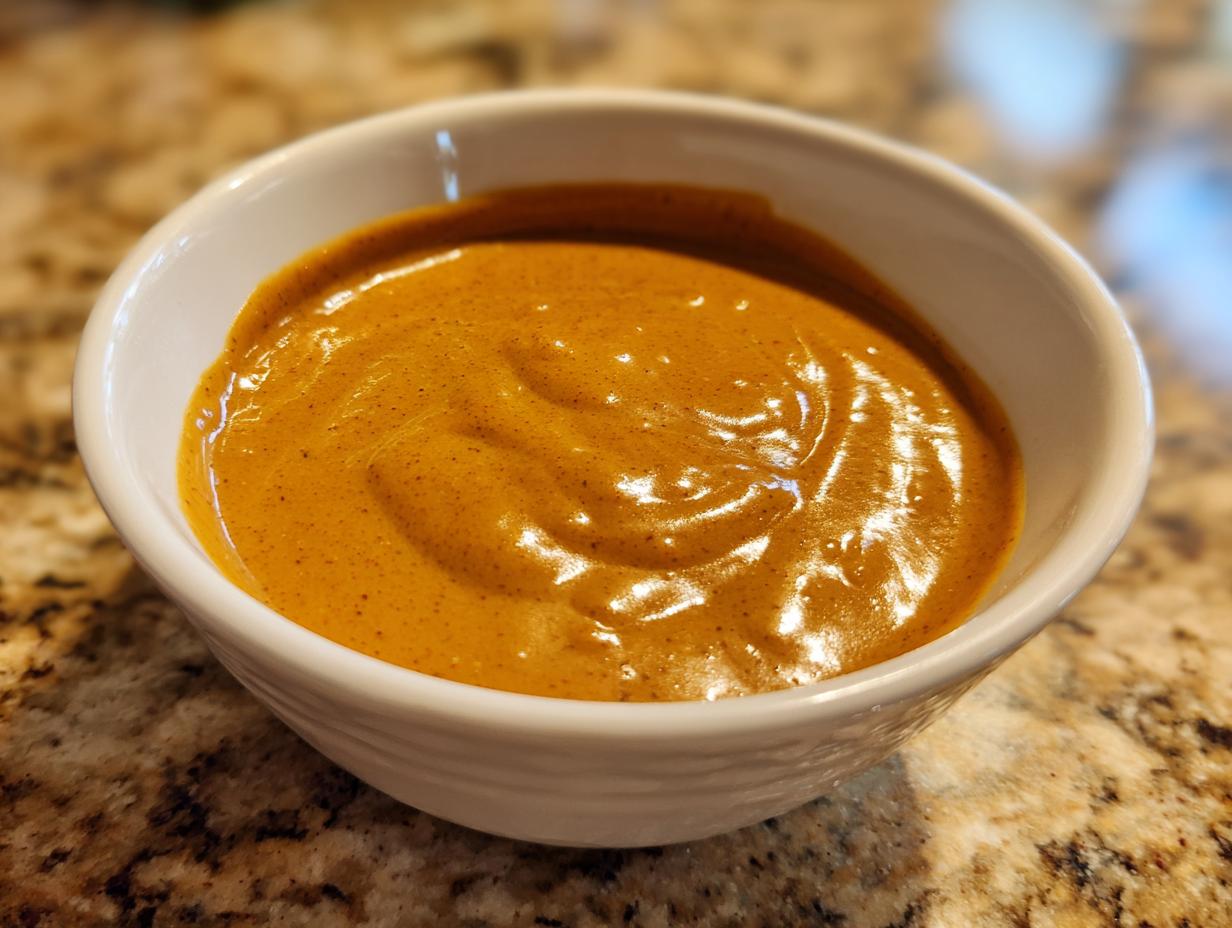
That’s why I’m so excited to introduce you to what I call my culinary cheat code: the peanut sauce. This isn’t just some generic condiment; this is the best peanut sauce you will ever whisk up. It’s unbelievably creamy, packed with bold Thai-inspired flavor, and you can genuinely have it ready in under five minutes. This homemade peanut sauce is the secret weapon that turns simple weeknight bowls and raw veggies into something truly spectacular.
My goal here is always reliability. If I’m sharing a recipe, you know it’s been tested until it’s foolproof. This quick recipe is always smooth, always flavorful, and ready exactly when you need it. You can trust that this easy peanut sauce will deliver!
- Why This 5-Minute Creamy Peanut Sauce Recipe Works
- Gathering Ingredients for Your Homemade Peanut Sauce
- Step-by-Step Instructions for 5 Minute Peanut Sauce
- Expert Tips for the Ultimate Thai Peanut Sauce Flavor
- Versatility: Using Your Quick Peanut Dip Beyond Spring Rolls
- Storage and Make-Ahead Tips for Peanut Sauce
- Dietary Adjustments for This Asian Sauce Recipe
- Frequently Asked Questions About Our Peanut Sauce Recipe
- Nutritional Estimates for This Quick Condiment Recipe
- Share Your Homemade Peanut Sauce Creations
Why This 5-Minute Creamy Peanut Sauce Recipe Works
When you follow my recipes, I want you to feel a sense of ease, especially when dinner time is looming. That’s why this Easy Peanut Sauce is a non-negotiable staple in my kitchen rotation now, even though I used to rely on jars from the store. This recipe cuts through the complexity to give you restaurant-quality flavor without stressing your weeknight schedule. It really is the best peanut sauce because it respects your time.
You are going to love how quickly this comes together. I’ve streamlined every single step to ensure reliability. You can see more of my general cooking philosophies over on my blog when you have a minute!
- It delivers that intoxicating balance of savory, sweet, and tangy Thai-inspired flavor instantly.
- It requires absolutely no cooking time—I mean it, zero!
- The texture is consistently smooth and luxurious, never grainy or separated.
Speed and Simplicity: Achieving Perfect Peanut Sauce Fast
Seriously, this is a 5 Minute Sauce, start to finish. You just measure, dump, and whisk. Because there’s no chopping vegetables or simmering a complex base, this quick peanut dip is perfect for those nights when you realize you haven’t made a dressing or sauce for your protein or veggies. It’s ideal for quick dinners where flavor can’t be compromised.
The Secret to Truly Creamy Peanut Sauce Texture
The biggest issue with most homemade nut sauces is that they separate or feel gritty. Not this one! The magic here lies in using hot water, not cold. Adding that hot water slowly while you whisk aggressively shocks the peanut butter, creating a perfect emulsion. It becomes thick, velvety, and wonderfully creamy. If you use a high-quality, natural peanut butter, that creaminess really shines through without any added oils fighting against you.
Gathering Ingredients for Your Homemade Peanut Sauce
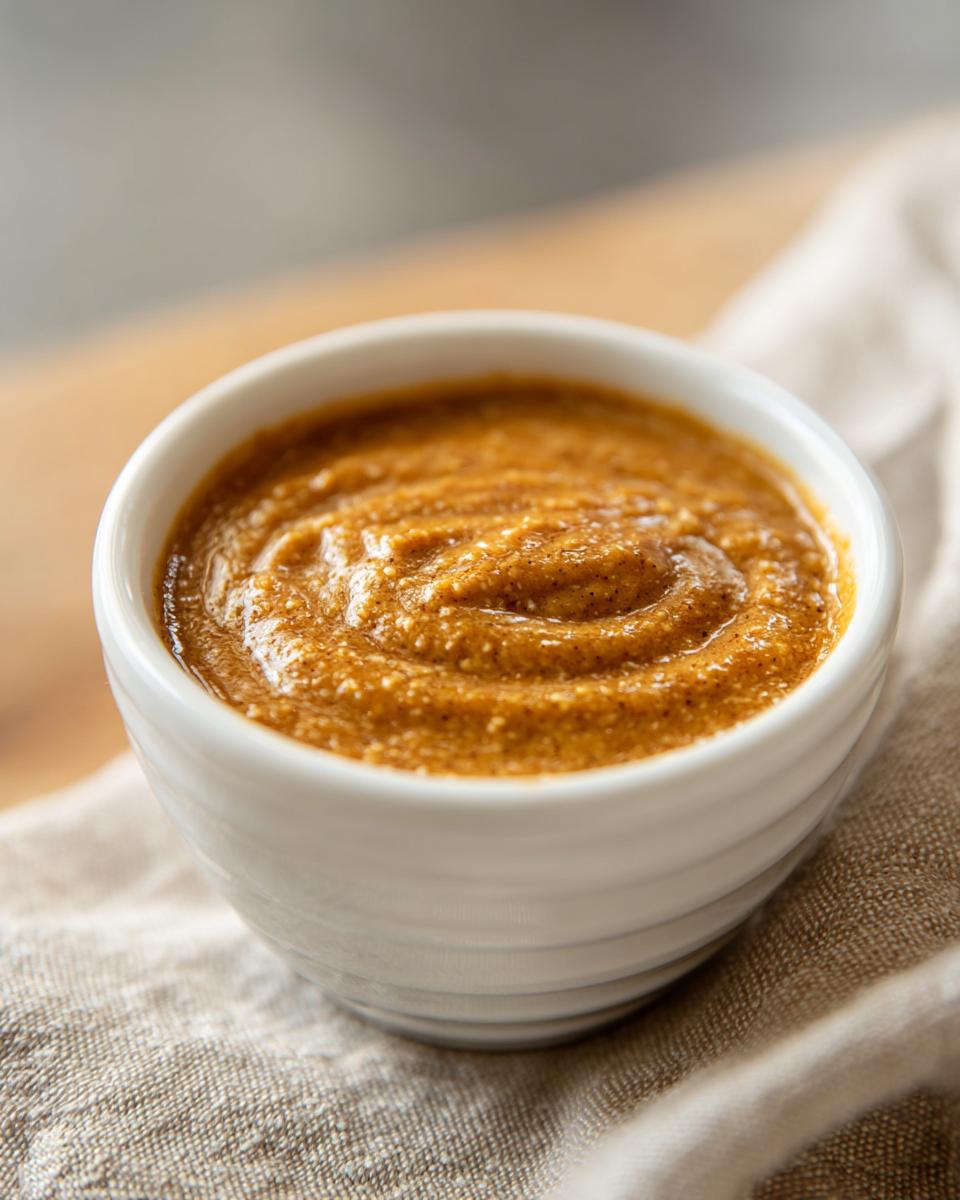
To achieve that incredible depth of flavor in this best peanut sauce, you want to gather all your base items right near your mixing bowl—it keeps the process smooth and fast! Since this whole operation takes just five minutes, having everything lined up makes a huge difference. We are using pantry staples, so hopefully, you don’t need to run to the store for this flavor bomb.
It’s important to note that if soy sauce causes issues for you, this recipe is easily modified. When describing the soy sauce component, remember that you can swap in tamari to make this a wonderful Gluten Free Peanut Sauce instantly. We want everyone here enjoying maximum flavor!
Ingredient List for the Best Peanut Sauce
For this recipe to deliver that signature Thai-inspired taste, you need a good balance of savory and sweet. Start with a full one-half cup of creamy peanut butter—I strongly suggest using a natural, unsweetened variety to control the sugar content yourself. Then, measure out one-quarter cup of low-sodium soy sauce, or the tamari if you need that gluten-free option we just discussed. For sweetness, we lean on two tablespoons of maple syrup, though honey works beautifully too. You need one tablespoon each of toasted sesame oil and bright rice vinegar. Don’t skip the aromatics! You must include one teaspoon of fresh ginger that you’ve grated yourself and one clove of fresh garlic that’s been finely minced for that huge savory punch. Finally, that little bit of Sriracha—start with half a teaspoon—is what wakes the whole dish up! Remember, the hot water comes in last to help us emulsify everything.
Step-by-Step Instructions for 5 Minute Peanut Sauce
I know you’re ready to eat, so let’s get straight to it. This is where the magic happens, and I promise you, it moves fast. Don’t rush the mixing, but moving between steps should be quick. Following the order of operations is critical for that perfect, foolproof, creamy peanut sauce consistency we talked about earlier. Success here builds instant confidence, which is what this site is all about!
Combining the Base Flavors of Your Peanut Sauce Recipe
First things first—get all those gorgeous, potent ingredients together. Grab a medium bowl (or, if you’re planning on storing leftovers, you can just mix everything right into your storage jar—less cleanup!) Gather your peanut butter, soy sauce (or tame Tamari), maple syrup, rice vinegar, sesame oil, and all those fresh aromatics: the grated ginger and the minced garlic. Don’t forget the Sriracha! Toss it all in there to start.
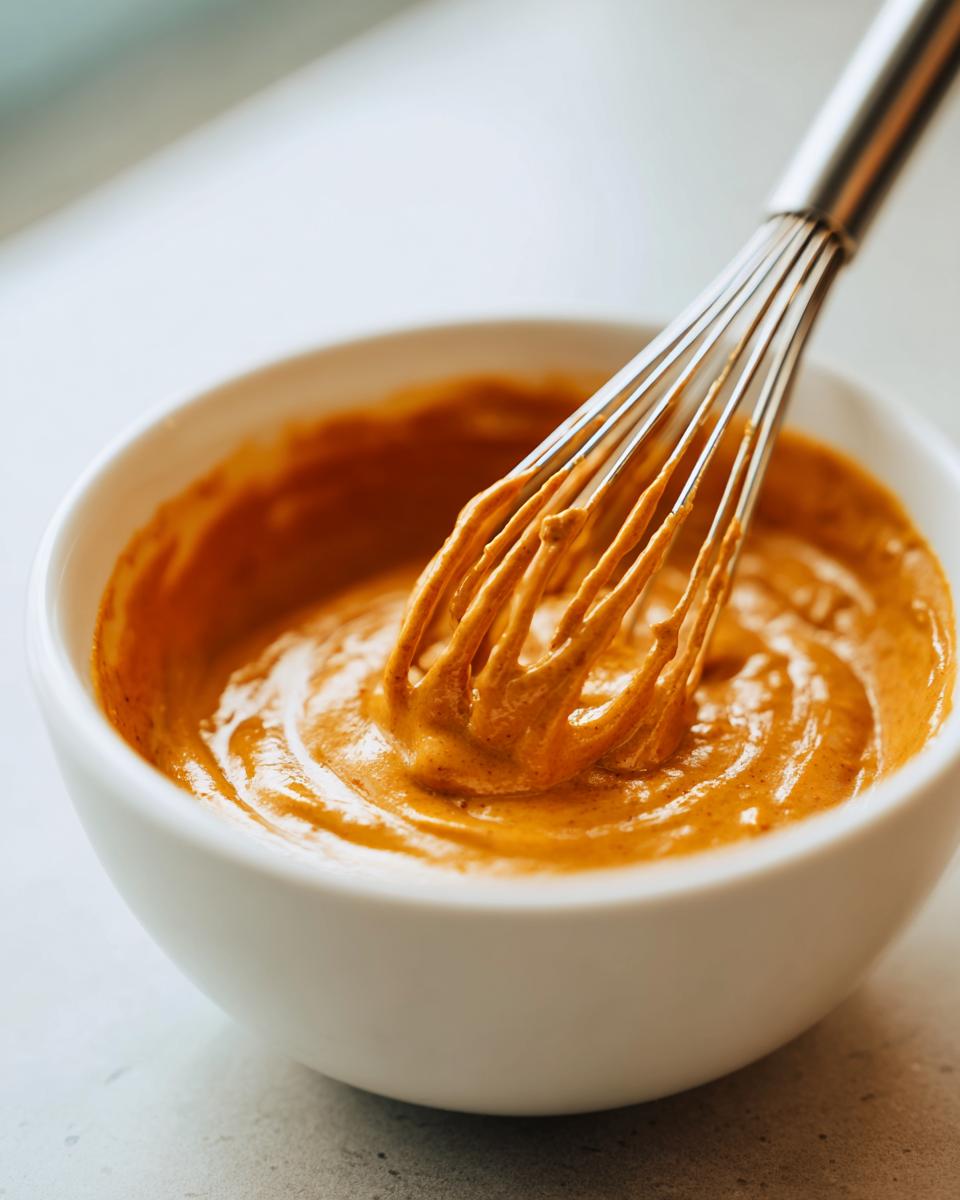
Now, take your whisk and mix it up like you mean it! You’re going to see this turn into a very thick, almost unworkable paste at this stage. That’s exactly what should happen! Don’t panic and don’t add water yet. You need this thick base to ensure all those salty, sweet, and savory elements bond together before we thin it out.
Adjusting Consistency for a Perfect Peanut Dressing
This next part is sacred. This is how we guarantee a silky-smooth peanut dressing instead of a clumpy mess. You need hot water—not boiling, but warm enough to help melt the peanut butter slightly. Start by adding just one tablespoon of that hot water to your thick paste. Whisk hard! It will loosen up immediately.
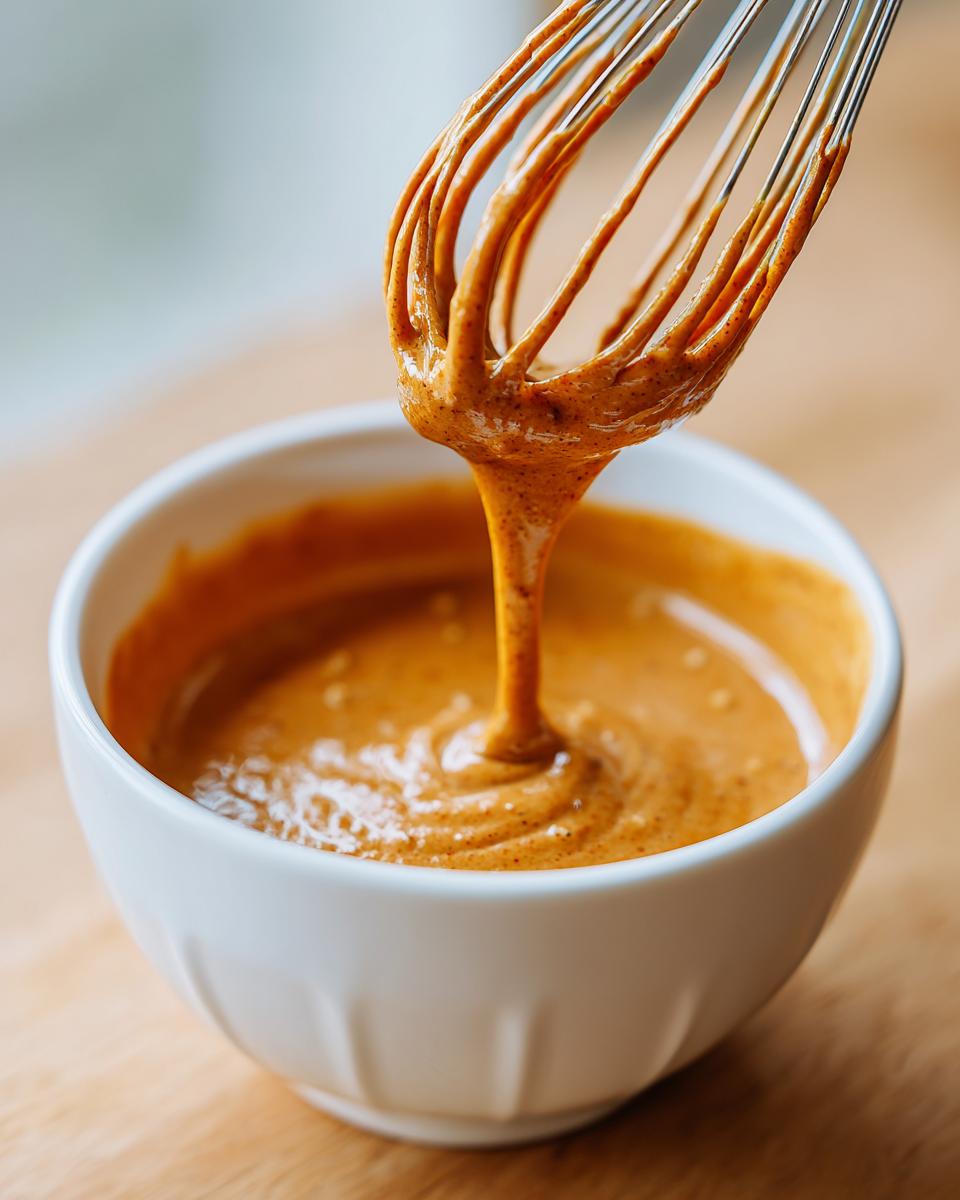
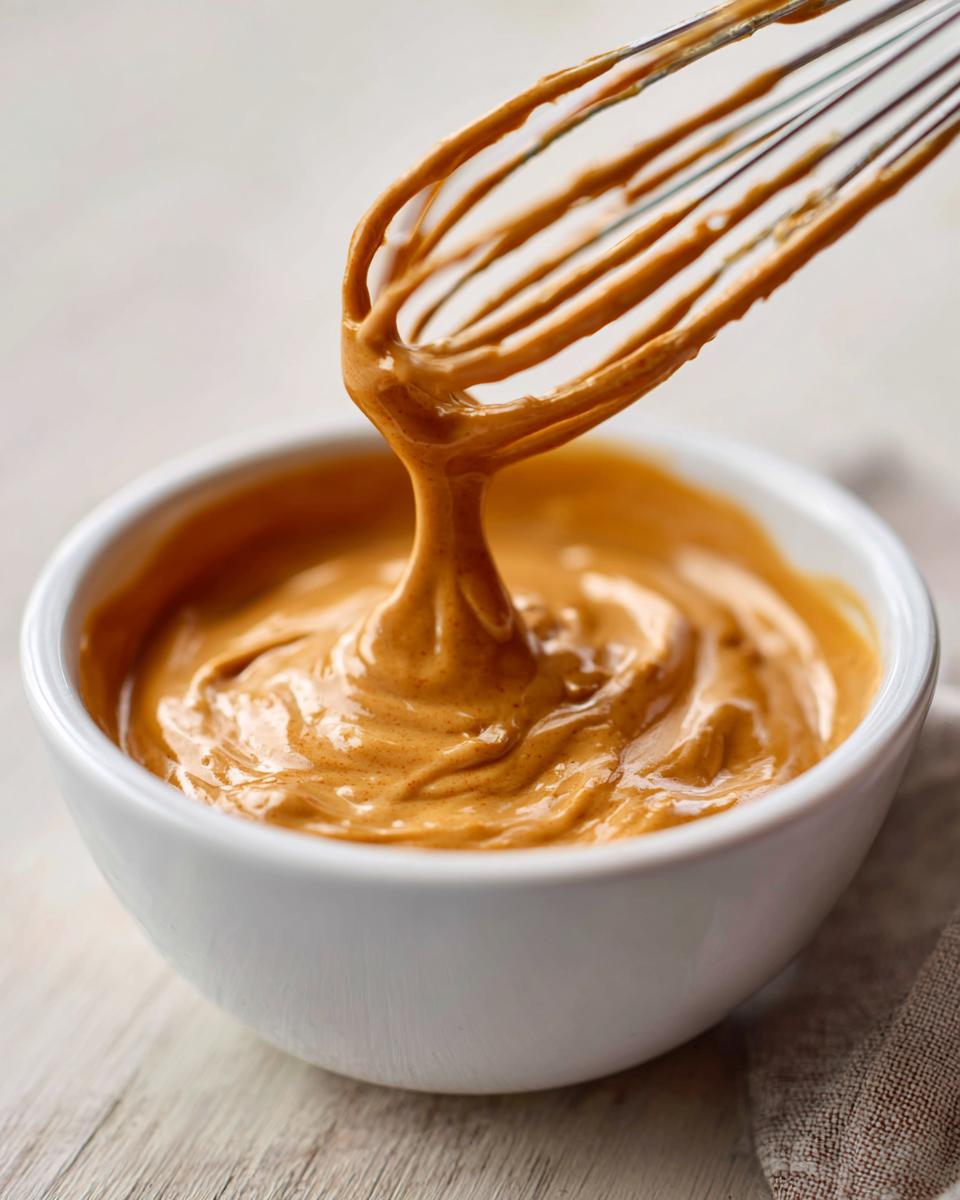
Keep adding that hot water, one tablespoon at a time, whisking thoroughly after each addition. You’re aiming for that glorious, pourable, yet thick consistency—the kind that clings beautifully to noodles or drips slowly off a spring roll. I usually stop around three tablespoons, but if your peanut butter is stiffer, you might need five. Keep tasting as you go. Once it hits that perfect smooth and creamy texture where it flows beautifully, you’re done mixing! This is the best peanut sauce you’ll ever make, trust me.
If you need to get in touch with me about technique or substitutions, I’m always available on the Contact Page!
Expert Tips for the Ultimate Thai Peanut Sauce Flavor
Getting this Thai Peanut Sauce just right comes down to tasting as you go. Since we are working without heat, everything stays very true to its initial flavor note, so small tweaks make a huge difference later on. Don’t be shy about adjusting things to your preference!
If your sauce tastes a little flat after you finish thinning it, you are probably missing a beat in the flavor profile. Need more punch? Add a tiny splash more rice vinegar for brightness. If the sauce isn’t quite savory enough, a quick drop of soy sauce or tamari will bring that depth right back. I also love to finish a batch just before serving with a touch more toasted sesame oil drizzled right on top—it really elevates it from a simple savory nut sauce to something restaurant-worthy.
Don’t forget that Sriracha again at the end if you want more heat! Remember, the flavor intensifies a bit when it sits, but if you need a kick right now, add it slowly. To see how I apply similar balancing acts to my lemon sauces, check out my Chicken Piccata recipe for reference on balancing acid!
Versatility: Using Your Quick Peanut Dip Beyond Spring Rolls
I think one of the main reasons this peanut sauce became such a beloved staple in my house is because it works with absolutely everything. When I needed something fast to make my weeknight meals feel special, this sauce was the answer. It’s rich enough to stand up to hearty proteins, yet light enough to dress a delicate pile of greens. You can make a big batch on Sunday and have flavor locked in for quick dinners all week long.
We have to talk about how many ways you can deploy this gorgeous, creamy creation. Think beyond just dipping those beautiful chicken salads you might be making in the summer! This recipe is designed to be adaptable, which is why it’s earned its permanent spot in my recipe rotation.
Peanut Noodle Sauce Applications
This is probably its most famous role! If you are making quick peanut noodles, this recipe is the base you need. Once the noodles are cooked and drained—I prefer rice noodles or even spaghetti in a pinch—just start tossing them right in the bowl with the sauce. You might want to thin it just a tiny bit more with hot water if you are coating long strands, but the amount of sauce you get in this recipe (about a cup) is perfect for coating a pound of cooked noodles lightly. It turns a simple carb into an Asian-inspired masterpiece!
As a Salad Topping Sauce or Drizzle
Don’t let this just stay in the dip bowl! When whisked just right, it becomes the most incredible salad topping sauce. Drizzle this over your chopped cabbage, carrots, and chicken or tofu. It acts as a fantastic peanut dressing that gives everything a savory, comforting finish. Honestly, think of any bowl you’re assembling—rice bowls, veggie bowls, grain bowls—and know that a generous drizzle of this sauce ties all those textures together perfectly.
Storage and Make-Ahead Tips for Peanut Sauce
One of the best parts about whipping up a batch of this incredible peanut sauce is that you’ve just set yourself up for success later in the week! Since this recipe is so fast, you can easily double it for meal prep. Having this ready means you can pivot instantly when you need a quick dipping sauce for veggies or a punchy dressing for a last-minute salad.
I always store mine in an airtight container—often the same jar I mixed it in, reducing dishes, which I know you appreciate! Generally, this peanut sauce stays vibrant and delicious in the refrigerator for a full week. Now, here’s the key thing you need to know about natural nut butters:
When you pull it out of the fridge after a few days, it’s going to look very thick, almost like hardened clay, sometimes even a little separated on top. Don’t panic! This is totally normal for homemade sauces made without all the stabilizers commercial brands pack in. You don’t need to waste a drop.
To revive it back to that perfect, flowing consistency, just whisk in a teaspoon or two of hot water at a time. Whisk strongly until it loosens back up and becomes that irresistibly smooth and creamy texture we spent five minutes perfecting. It takes maybe 30 seconds, but it brings the whole thing back to life. This little trick is essential for maximizing your leftovers!
Dietary Adjustments for This Asian Sauce Recipe
When I was first experimenting with creating the ultimate peanut sauce, I quickly realized that in order to be truly reliable for everyone, it had to be adaptable. The beauty of this simple mix is that we use a foundation of pure, clean ingredients, which makes switching things up remarkably straightforward. It’s so satisfying knowing I can whip up a batch of this Asian Sauce Recipe and know everyone at the table can enjoy it.
This recipe is naturally fantastic for those following a plant-forward lifestyle, making it an excellent Vegan Peanut Sauce as written, thanks to the use of maple syrup instead of honey. But we can go even further to make sure it fits specialized diets!
For those avoiding gluten, the switch is super easy. You just need to ensure you swap out your standard soy sauce for tamari. Tamari is essentially a soy sauce brewed with little to no wheat, and it provides the exact same deep, umami saltiness we need here. If you are having success using this sauce on tofu—which you absolutely should try, check out my Almond Butter Tofu Recipe for inspiration—make sure that tamari goes in instead of soy sauce!
And what if you have a nut allergy? That’s usually the trickiest part of a peanut-based sauce, right? But again, we’ve got you covered. You can substitute sunflower seed butter for the peanut butter. It might shift the color slightly and the flavor will be a bit different, but it still provides that beautiful richness and body, allowing you to deliver a wonderfully delicious savory nut sauce while keeping everyone safe and happy!
Frequently Asked Questions About Our Peanut Sauce Recipe
Can I make this peanut sauce nut-free?
Absolutely, you can! While this is technically a peanut butter sauce, allergies happen, and we need solutions. If you need a nut-free option, just swap out the peanut butter for an equal amount of creamy sunflower seed butter. The texture will be nearly identical, and you’ll still get that wonderful savory base perfect for dipping or as a salad topping sauce. It’s a fantastic substitute!
How do I make this peanut sauce spicier?
That’s easy! Since we start with just half a teaspoon of Sriracha, you have a ton of room to kick up the heat for your weeknight meals. If you like a genuine kick, bump that Sriracha up to a full teaspoon, or even a teaspoon and a half. Another great trick, if you have them handy, is to stir in a pinch of red pepper flakes right when you mix the initial base ingredients. That tends to bring a sharper heat to the final product.
What is the best way to store leftover peanut sauce?
I always make extra because I love having this fantastic quick condiment recipe ready to go! Store any leftover creamy peanut sauce in an airtight container in the refrigerator. It keeps beautifully for about a week. The most important thing to remember is that it will thicken up significantly as it chills. Don’t worry if it looks like paste—that just means the ingredients are sticking together naturally! Just whisk in warm water, a teaspoon at a time, until you get that luxurious, pourable texture back before you drizzle it over your next stir-fry. If you have any questions about storage, feel free to reach out via my Contact Page!
Nutritional Estimates for This Quick Condiment Recipe
Now, I know the real reason you’re here is for the pure joy of flavor, but I also believe in transparency about what we’re eating. Since I came from the world of data and spreadsheets, I always calculate rough estimates for my recipes. Knowing what goes into your peanut sauce is important, especially if you’re using it for meal prepping or trying to keep tabs on things like sugar or sodium!
Based on the ingredients listed—using standard creamy peanut butter and maple syrup—here are the estimates for just one serving size. Remember, I always base these figures on a modest serving of two tablespoons, which is plenty for a decent drizzle on top of your salad or a small dipping portion. These numbers offer a snapshot, not a scientific analysis, because the exact brand of soy sauce or peanut butter you grab off the shelf can shift these values slightly.
For a standard two-tablespoon serving, you’re looking at approximately 160 calories. It’s worth noting that the fat content is high, at about 13 grams, but remember, that’s coming largely from the healthy fats in the peanut butter itself. We see around 8 grams of carbohydrates, with about 7 grams of that being sugar (mostly from the maple syrup we use for balance). Protein clocks in around 5 grams, which is a nice little bonus for a condiment!
- Serving Size: 2 tablespoons
- Calories: Approximately 160
- Fat: 13g (Mostly unsaturated fats!)
- Sugar: 7g
- Sodium: 350mg (This is why I stress low-sodium soy sauce!)
This data just reinforces why this recipe is so satisfying—it’s rich and flavorful! But do keep an eye on that sodium level if you’re adding extra soy sauce during the final seasoning step. Use this information as a guide, but focus more on how amazingly this quick condiment recipe elevates everything you put it on!
Share Your Homemade Peanut Sauce Creations
Now that you have the blueprint for the absolute easiest and most flavorful peanut sauce in your back pocket, I truly want to see what you do with it! This recipe is designed to be versatile, and honestly, nothing makes me happier than seeing how you’ve integrated this quick element into your own busy lives.
Did you drizzle it over Pad See Ew? Did you use it as a vibrant sauce for spring rolls at a last-minute gathering? Maybe you used it to dress a massive salad! Whatever your creation, please let me know how it turned out in the comments below. I read every single one, and your feedback helps me ensure this recipe remains the gold standard for quick, delicious Asian-inspired condiments.
Leaving a star rating helps other home cooks who might be hesitant about trying a new homemade sauce. Seeing those positive reviews gives everyone the confidence boost they need to skip the jarred stuff for good. Your support truly helps Gourmet Gaze inspire more people to create feasts for the soul!
If you run into any snags while whisking, or if you discover a brilliant new way to use this peanut dressing, please don’t hesitate to reach out directly through my Contact Page. Happy cooking, and I can’t wait to hear about your success!
PrintThe Ultimate 5-Minute Creamy Thai Peanut Sauce: Easy Recipe for Dips, Noodles, and Bowls
Make this creamy, savory Thai peanut sauce in just 5 minutes. This homemade peanut sauce recipe delivers bold flavor and works perfectly as a dip, dressing, or drizzle for noodles and bowls.
- Prep Time: 5 min
- Cook Time: 0 min
- Total Time: 5 min
- Yield: About 1 cup 1x
- Category: Condiment
- Method: No Cook
- Cuisine: Thai-inspired
- Diet: Vegan
Ingredients
- 1/2 cup creamy peanut butter
- 1/4 cup low sodium soy sauce (or tamari for gluten-free)
- 2 tablespoons maple syrup (or honey)
- 1 tablespoon rice vinegar
- 1 tablespoon toasted sesame oil
- 1 teaspoon fresh ginger, grated
- 1 clove garlic, minced
- 1/2 teaspoon Sriracha (adjust to your spice preference)
- 3–5 tablespoons hot water (to thin)
Instructions
- Gather all your ingredients near your mixing bowl or jar.
- Add the peanut butter, soy sauce, maple syrup, rice vinegar, sesame oil, grated ginger, minced garlic, and Sriracha into a medium bowl.
- Whisk the ingredients together until they form a thick paste.
- Add the hot water, one tablespoon at a time, whisking continuously until the sauce reaches your desired smooth and creamy consistency. Start with 3 tablespoons and add more if needed.
- Taste the sauce and adjust seasonings if necessary (add more maple syrup for sweetness or Sriracha for heat).
- Use immediately as a peanut dressing or dip, or store it for later use.
Notes
- For a gluten-free peanut sauce, substitute tamari for the soy sauce.
- If you prefer a nut-free option, substitute sunflower seed butter for the peanut butter.
- This sauce stores well in an airtight container in the refrigerator for up to one week. Whisk well before serving if it thickens upon chilling.
- To achieve the best flavor, use natural, unsweetened peanut butter.
Nutrition
- Serving Size: 2 tablespoons
- Calories: 160
- Sugar: 7g
- Sodium: 350mg
- Fat: 13g
- Saturated Fat: 2g
- Unsaturated Fat: 11g
- Trans Fat: 0g
- Carbohydrates: 8g
- Fiber: 2g
- Protein: 5g
- Cholesterol: 0mg