
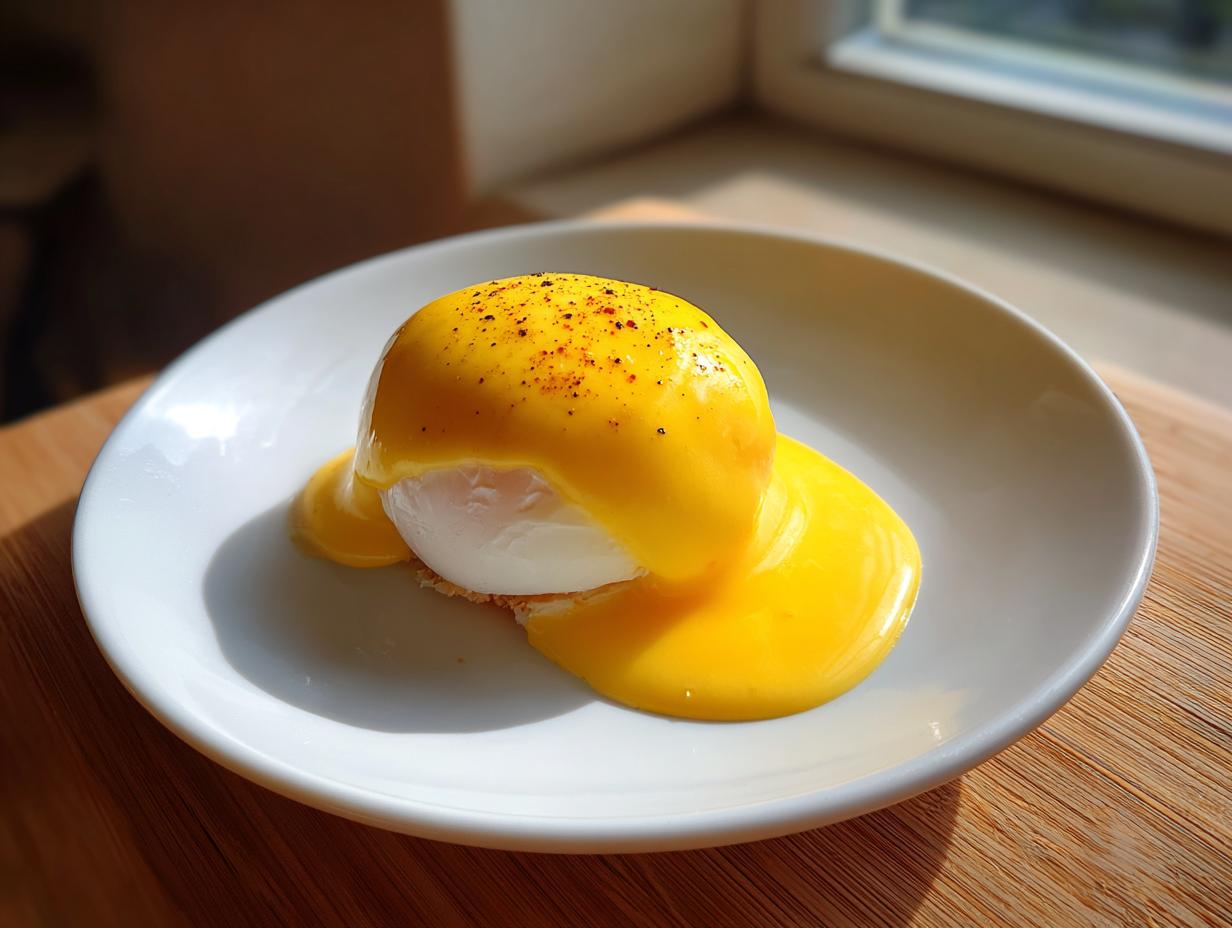

I remember the ritual of making a classic Hollandaise sauce in culinary school. Whispering anxieties over a simmering double boiler, terrified that one wrong move meant a bowl of sad, separated scrambled eggs masquerading as a sauce. It felt intimidating, right? Well, ditch that stress! When I left my corporate grind behind to pursue my passion for honest, soulful cooking, I promised myself I’d find shortcuts that didn’t sacrifice an ounce of flavor. That’s how I landed on this method: an Ultra-Fast 5-Minute Immersion Blender Hollandaise Sauce. Seriously, this foolproof technique delivers that rich, tangy, restaurant-style hollandaise sauce in mere minutes. It’s creamy, it’s quick, and you’ll never go back to the old way, trust me.
- Why This Immersion Blender Hollandaise Sauce is Foolproof (Experience & Trust)
- Gathering Ingredients for Your Quick Hollandaise Sauce
- Step-by-Step Instructions for Blender Hollandaise
- Serving Suggestions for Your Homemade Hollandaise Sauce
- Storage and Reheating Instructions for Hollandaise Sauce
- Frequently Asked Questions About Making Hollandaise Sauce
- Nutritional Estimate for This Creamy Sauce Recipe
- Share Your Success with This Foolproof Hollandaise
Why This Immersion Blender Hollandaise Sauce is Foolproof (Experience & Trust)
When I first tested this technique, I couldn’t believe how stable the emulsion was. The traditional stovetop method relies on slow, steady whisking—a technique that demands total concentration, and frankly, who has that kind of time on a Sunday morning? My experience shows that the brute force of an immersion blender is actually your friend here. It whisks the tiny droplets of fat into the egg yolk structure faster and more thoroughly than any human hand can manage.
- Speed: Done in under five minutes, start to finish.
- Consistency: You get a perfectly velvety sauce every single time.
- Reliability: We skip the worry about scrambling the eggs because the blending happens so fast!
This approach basically eliminates the risk of breaking your beautiful homemade hollandaise sauce. That sickening moment when the sauce separates? It’s mostly a thing of the past with this method.
Achieving Restaurant Quality Creamy Sauce Recipe in Minutes
This is how you get that rich, buttery texture you only expect from a fine dining spot. Because the blender works so aggressively, it creates an incredibly fine, stable emulsion needed for a top-tier creamy sauce recipe. We’re talking about a luxurious, deeply flavored ribbon of richness perfect for any plate. It genuinely rivals the outcome of a time-consuming classic sauce preparation, only faster than brewing your morning coffee!
Gathering Ingredients for Your Quick Hollandaise Sauce
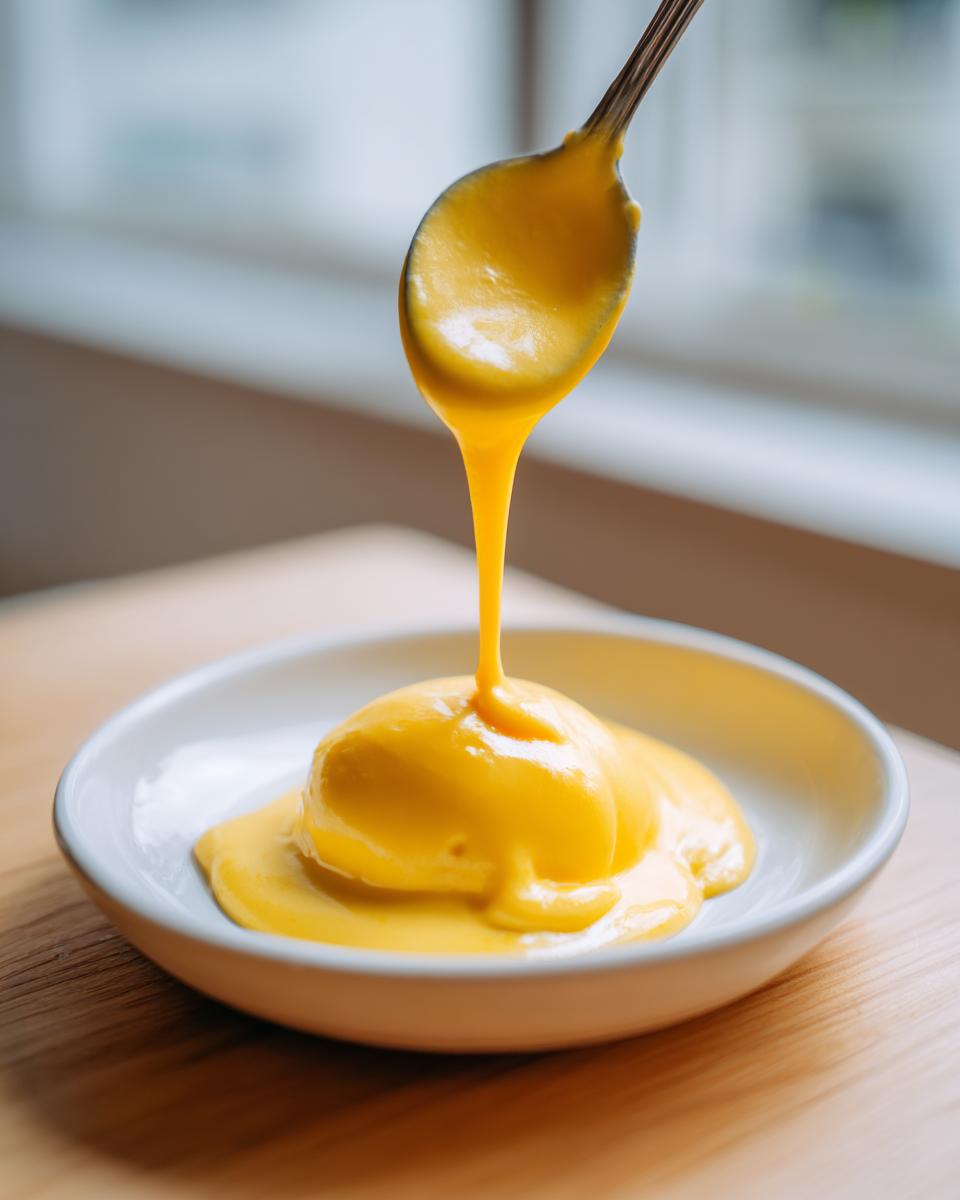
The beauty of making Hollandaise sauce this quickly is that you don’t need a pantry full of weird stuff. We are working with the basics here—the things that create that signature tang and richness. You’ll need a standard tall container that truly fits your immersion blender head; this snug fit is critical for success!
The quantities listed below build a perfect, thick batch to cover about two or three servings of Eggs Benedict. Don’t skip heating that butter, though! That hot fat is what’s going to flash-emulsify everything upon contact.
- 1 large egg yolk
- 1 teaspoon Dijon mustard
- 1 teaspoon fresh lemon juice, plus more to taste
- 1/4 teaspoon salt
- Pinch of cayenne pepper
- 1/2 cup (113g) unsalted butter, melted and kept hot
Ingredient Notes and Substitutions for Hollandaise Sauce
Look, this recipe hinges on quality ingredients working together perfectly. You want the freshest egg yolk you can get; temperature isn’t as crucial here as it is in the stovetop method, but fresh is always better for flavor. The butter, however, must be completely melted and hotter than lukewarm—think piping hot, just off the stove or out of the microwave, ready to emulsify!
If you are watching carbs, great news! This naturally becomes a fantastic, flavorful Keto Hollandaise Sauce since it’s purely fat and egg yolk with minimal sugar. Just make sure your Dijon mustard is sugar-free if that’s a concern for your low-carb goals.
Step-by-Step Instructions for Blender Hollandaise
Alright, this is where the magic happens, and I promise you, it’s easier than making toast! The key to getting this perfect, velvety sauce—the kind you see drizzled tableside at fancy restaurants—is using the right container and not panicking when you start drizzling. Get your immersion blender ready for action! First, combine the egg yolk, Dijon, salt, cayenne, and that first teaspoon of lemon juice right into that tall, narrow cup where your blender head fits snugly. You need that snug fit so the blade is completely covered.
Next, melt your butter but keep it hot—don’t let it cool down! Now, place the head of the immersion blender right down to the very bottom of the cup, completely covering the egg mixture. Turn the blender on high power. Now, here’s the vital step: start pouring that hot, melted butter in a slow, steady drizzle while keeping that blender head glued to the bottom. Don’t lift it! Once about half the butter is in, you’ll notice the sauce turning opaque and thick. That’s the moment! You can then start gently tilting and raising the blender until all that buttery goodness is incorporated. If you want even more tang, whisk in a bit more lemon juice after you pull the blender out. Check out this fantastic resource for further blending inspiration right here, though I think you won’t need it!
Troubleshooting Your Hollandaise Sauce: Fix a Broken Emulsion
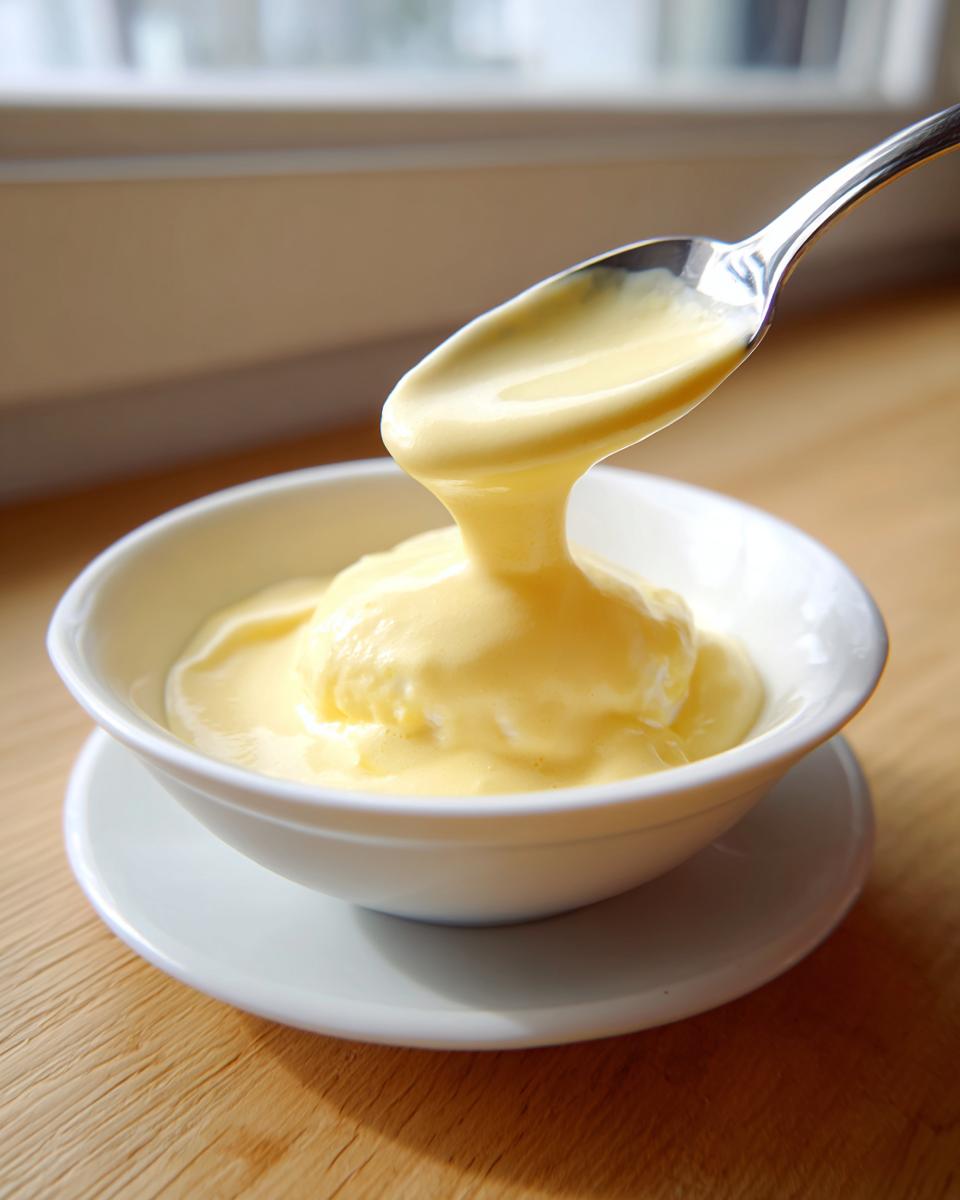
If panic sets in and your sauce looks watery or separates—don’t throw it out! This happens sometimes, especially if the butter was too cool or added too fast. This is where years of cooking under pressure taught me a trick that never fails. Take a clean, fresh bowl and drop in one brand-new, room-temperature egg yolk. Set your blender back to work.
Now, take that broken, watery mess and drizzle it, tiny bit by tiny bit, into that fresh yolk while the blender runs on high speed again. That fresh yolk acts like an anchor, grabbing onto the separated fat and pulling the entire mixture back together into a beautiful, thick, hollandaise sauce again! I actually learned this technique when practicing an aioli sauce once, and it works magic here too. See? No waste, just culinary salvage!
Serving Suggestions for Your Homemade Hollandaise Sauce
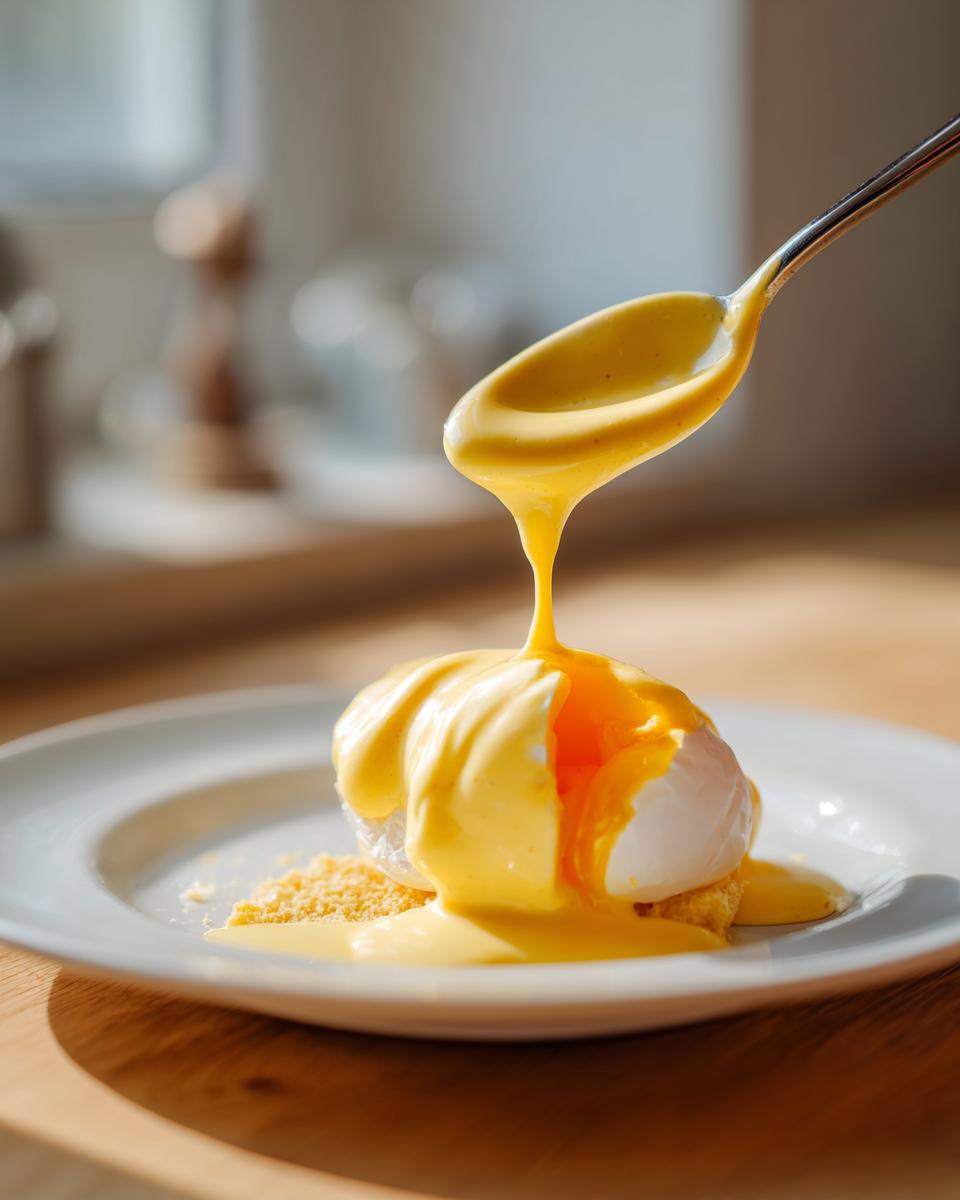
Okay, now you have this heavenly, rich, homemade sauce. What do you do with it? Honestly, you could probably just eat it with a spoon, but let’s keep things a little more civilized! The number one reason I perfected this recipe was for the ultimate brunch indulgence. Yes, I’m talking about draping it generously over toasted English muffins topped with Canadian bacon and a perfectly poached egg. This is the definitive Sauce for Eggs Benedict you’ve been dreaming of.
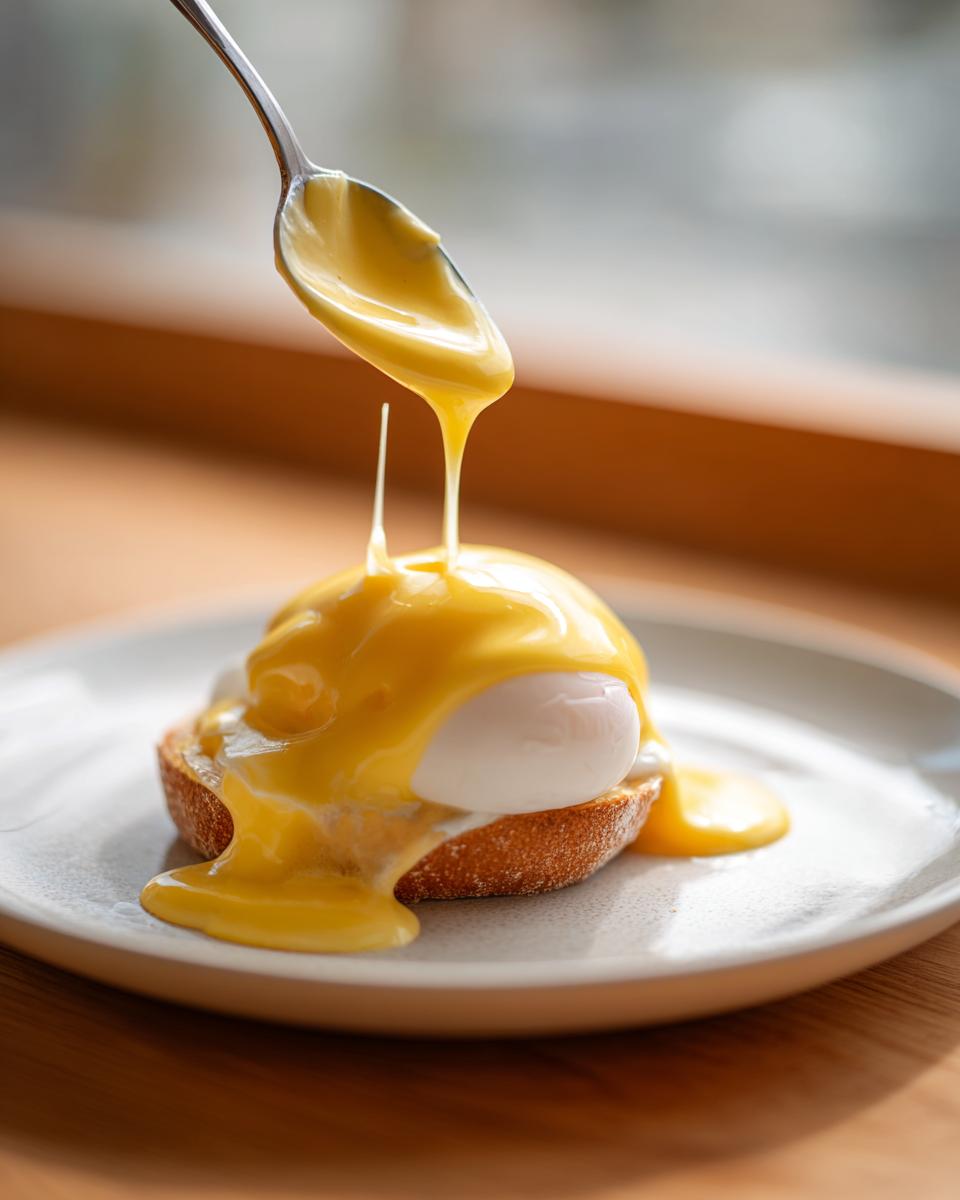
But don’t stop at breakfast! This vibrant, tangy creation really shines when poured over steamed or roasted vegetables. A light drizzle turns simple blanched spears into an elegant side dish—it’s the perfect Sauce for Asparagus. It’s also honestly incredible over grilled salmon or flaky white fish. It’s such a fast route to feeling like a gourmet chef!
Storage and Reheating Instructions for Hollandaise Sauce
Here’s where we need to be a little responsible cooks, my friends. Because we made this amazing hollandaise sauce using raw egg yolk and only hot butter, it really, truly is best enjoyed the minute it’s done blending. Don’t plan on making it the night before; it deserves to be fresh!
If you absolutely must save some, cover it tightly and pop it in the fridge immediately—no more than 24 hours is my hard limit. When you want to bring it back to life, do *not* microwave it! That’s certain disaster. Instead, put the small container of sauce in a bowl of warm (not hot!) water. Gently whisk it while it warms up. If it looks like it’s starting to separate, add a few drops of warm water and whisk like crazy until that velvety texture is back. It’s fussy, but worth saving!
Frequently Asked Questions About Making Hollandaise Sauce
I know when you first try a new technique for a classic sauce like this, you’ve got questions bubbling up. It’s normal! I’ve gathered the ones I hear most often from readers who are trying this Easy Hollandaise Sauce method for the first time. For more deep dives into technique and kitchen philosophy, feel free to browse my latest blog posts!
Can I use my regular countertop blender instead of an immersion blender?
Yes, you absolutely can! But you have to switch up the pouring technique a little. If you’re using a big regular blender, you need to add all the cold ingredients first, put the blender on low, and then slowly drizzle that hot butter in through the lid’s center cap (if it has one). The key is the slow drizzle; if you dump it all in, it will split, and you’ll end up with a greasy mess instead of a luscious sauce. The immersion blender wins because it keeps the blade completely submerged while you pour, making it simpler.
Can I substitute olive oil for butter in this recipe?
Oh, I wouldn’t recommend it if you want that classic, authentic taste. Olive oil is much stronger tasting, and the flavor will completely dominate the delicate lemon and egg. You *could* try ghee (clarified butter) or a blend of butter and neutral oil in a pinch, but for the best flavor, stick to melted, hot, unsalted butter. This is fat, not flavor filler!
How long can I safely store leftover Hollandaise Sauce?
Because this recipe uses a raw egg yolk, safety first! I strongly advise making only what you plan to use right away. If you have leftovers, cover it immediately and keep it in the coldest part of your fridge for no more than 24 hours. Remember what I said about reheating it gently over warm water? That’s your best bet for saving it without ruining the texture. Generally, anything that sits around after a big brunch isn’t worth the risk.
Does this count as a Keto Hollandaise Sauce recipe?
It totally does! Since the recipe is entirely fat (butter) and protein (egg yolk) with virtually no sugar or carbs, it fits perfectly into a ketogenic or low-carb lifestyle. It’s an excellent way to add richness to low-carb veggies like broccoli or cauliflower without resorting to heavy creams. Just double-check that your Dijon mustard doesn’t have hidden sugars!
Nutritional Estimate for This Creamy Sauce Recipe
Okay, let’s talk fuel! Since this is a rich sauce made primarily from butter and egg yolk, it is wonderfully decadent but certainly not low-calorie—which is the trade-off for that incredible richness. These figures are just estimates; remember, ingredients sourced at different shops can vary slightly depending on the exact fat content of your butter!
Here is the estimated breakdown per 2 tablespoon serving:
- Calories: 145
- Fat: 15.8g (with about 9.5g saturated fat)
- Carbohydrates: 0.3g
- Protein: 1.1g
- Sugar: 0.1g
This really speaks to why this recipe is such a winner for anyone following a low-carb lifestyle!
Share Your Success with This Foolproof Hollandaise
Seriously, I want to know how this 5-minute hollandaise sauce saved your brunch! Did it perfectly coat your poached eggs? Did your guests rave about it? Don’t keep that victory to yourself! Head over to the rating section below and leave me those precious stars. If you have any photos of your perfect drizzle, feel free to share those via my contact page. Let’s inspire the next reader to skip the stress and embrace the blender!
PrintUltra-Fast 5-Minute Immersion Blender Hollandaise Sauce (The Foolproof Method)

Make rich, creamy, restaurant-style Hollandaise sauce in under five minutes using an immersion blender. This foolproof method skips the double boiler and guarantees a velvety texture perfect for Eggs Benedict or asparagus.
- Prep Time: 2 min
- Cook Time: 3 min
- Total Time: 5 min
- Yield: About 3/4 cup 1x
- Category: Sauce
- Method: Blending
- Cuisine: French/American
- Diet: Low Fat
Ingredients
- 1 large egg yolk
- 1 teaspoon Dijon mustard
- 1 teaspoon fresh lemon juice, plus more to taste
- 1/4 teaspoon salt
- Pinch of cayenne pepper
- 1/2 cup (113g) unsalted butter, melted and kept hot
Instructions
- Place the egg yolk, Dijon mustard, 1 teaspoon of lemon juice, salt, and cayenne pepper into a tall, narrow container that fits the head of your immersion blender snugly.
- Melt the butter completely. Keep it hot but not boiling.
- Place the head of the immersion blender all the way to the bottom of the container over the egg mixture.
- Turn the blender on high speed. Slowly drizzle the hot melted butter into the container in a thin, steady stream while the blender runs. Do not lift the blender head yet.
- Once about half the butter is incorporated, you will see the emulsion begin to form. You can now slowly tilt and lift the blender head to incorporate the remaining butter until the sauce is thick and creamy.
- Taste the sauce. Add more lemon juice if you want more tanginess. If the sauce is too thick, you can whisk in a few drops of warm water until you reach your desired consistency.
- Serve immediately over Eggs Benedict, steamed asparagus, or seafood.
Notes
- For a Keto Hollandaise Sauce, this recipe is naturally low carb and fits well into a low-fat diet plan.
- If the sauce breaks (separates), place the broken sauce and one fresh egg yolk into a clean container. Slowly drizzle the broken sauce into the fresh yolk while blending with the immersion blender until it emulsifies again.
- Always use hot, freshly melted butter for the best results in this quick sauce recipe.
Nutrition
- Serving Size: 2 tbsp
- Calories: 145
- Sugar: 0.1
- Sodium: 75
- Fat: 15.8
- Saturated Fat: 9.5
- Unsaturated Fat: 6.3
- Trans Fat: 0.2
- Carbohydrates: 0.3
- Fiber: 0.0
- Protein: 1.1
- Cholesterol: 55