
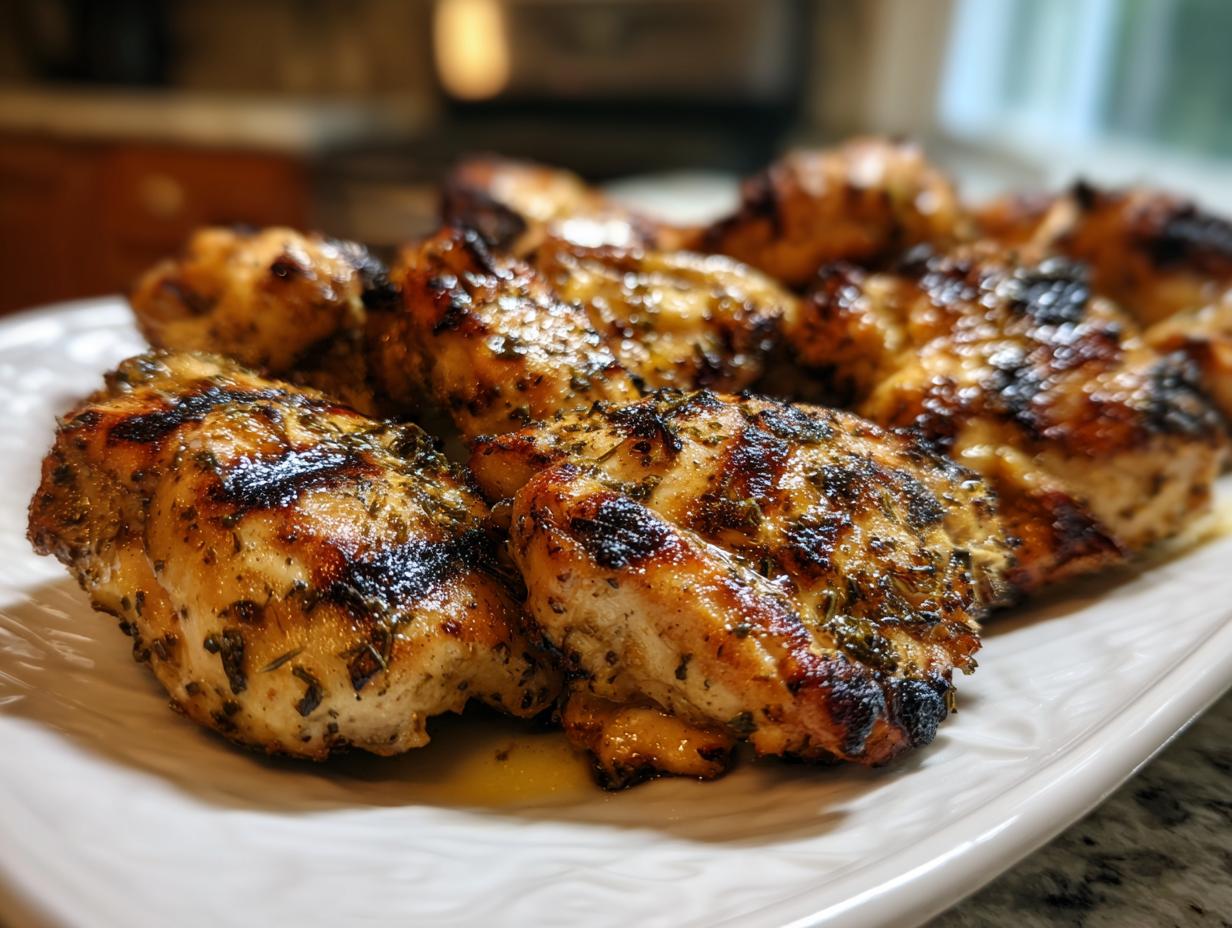

If you’re like I was for years, chicken is usually a gamble. You toss it on the grill or in the oven hoping for moisture, and too often, you end up with something dry, sad, and flavorless. That was my reality when I was chained to my desk in Chicago, grabbing fast food because cooking seemed too complicated.
But after I found my inspiration wandering the back roads of America, I made it my mission to conquer the weeknight staple. And I’m telling you now: this is the BEST All-Purpose chicken marinade you will ever meet. It’s the culmination of countless kitchen experiments, designed to be reliable, always tender, and shockingly fast. You can whip this entire chicken marinade up in about 10 minutes using things you probably already have, and it sets the stage for the juiciest chicken possible, ready for dinner tonight or later this week. If you want to know more about my journey from spreadsheets to searing pans, check out my page about how Gourmet Gaze got started.
- Why This All-Purpose chicken marinade is Your New Weeknight Chicken Dinner Idea
- Gathering Ingredients for the Best chicken marinade
- Step-by-Step Instructions for Your Homemade chicken marinade
- Cooking Guide: Achieving Juicy Chicken Marinade Results
- Customizing Your chicken marinade: Flavor Variations
- Making This chicken marinade Freezer Friendly for Meal Prep
- Storage and Reheating Instructions for Tender Chicken Marinade
- Troubleshooting Common chicken marinade Issues
- Estimated Nutritional Data for This chicken marinade Recipe
Why This All-Purpose chicken marinade is Your New Weeknight Chicken Dinner Idea
When I was juggling deadlines, I needed recipes that delivered maximum flavor with minimal fuss. That’s exactly what this blend achieves. After testing dozens of combinations, I landed on this template because it performs perfectly every single time. It’s robust enough to stand up to high heat but gentle enough to keep even delicate chicken breasts wonderfully tender. Trust me, this recipe has been refined for peak performance, making it my go-to reliable workhorse.
Forget searching for new flavor combos every night. This Juicy Chicken Marinade base is incredibly flexible, and you only need about 10 minutes to mix it all up. It truly is the ultimate Quick Chicken Marinade solution for busy weeknights. You can explore other favorites, like my Chicken Cheese Steak Sandwiches, but this marinade is the foundation you need first.
Speed and Simplicity: A Quick Chicken Marinade
The best part of this whole process? It takes less than ten minutes to assemble the entire thing! I promise you, this is the definition of an Easy Chicken Marinade Recipe. You don’t need fancy, hard-to-find ingredients, either. Olive oil, lemon juice, a few spices—that’s it. You can have the chicken soaking up flavor while you run the dishwasher or empty the lunch boxes.
Versatility Across Cooking Methods
What good is a great marinade if it only works on one piece of equipment? None! This recipe is balanced perfectly for whatever heat source you choose. It thickens slightly when chilled, which helps it adhere beautifully to the meat. It shines as a Grill Chicken Marinade, creating gorgeous char marks. It’s also a fantastic Bake Chicken Marinade and works perfectly well for pan-searing or even tossing into the air fryer!
Gathering Ingredients for the Best chicken marinade
Okay, let’s talk about what goes into this beautiful blend. When I was transitioning my cooking style, I realized that clarity in ingredients is everything. If a recipe says “oil,” I want to know what kind! For this Best chicken marinade to sing, we need precision, even though the final result is super easy. I’ve listed out exactly what you need for four servings, but remember, this is based on about 1.5 to 2 pounds of chicken, depending on thickness.
We are relying on simple pantry power here. Things like olive oil act as our fat base, while the lemon juice and soy sauce carry the necessary acid and umami punch. This isn’t the place for dusty old spices; we want bright, vibrant flavors shining through, which is why I insist on certain standards. If you love rich, soulful soups, you might want to bookmark my Creamy Chicken and Pearl Couscous Soup for a rainy day!
Ingredient Notes and Substitutions
A few quick notes on making sure you nail this every time. First, that Dijon mustard? It’s critical! It does more than just add a little tang; it’s an emulsifier, meaning it helps the oil and the lemon juice stay happy together instead of separating when you whisk them. Don’t skip it!
The lemon juice must be fresh, squeezed right before you mix. The bottled stuff loses all that bright zing that cuts through the richness of the oil. If, and I mean *if*, you are absolutely out of fresh lemons, you can substitute in a pinch with apple cider vinegar. However, you’ll need slightly less, maybe two tablespoons instead of the quarter cup, because the vinegar is much sharper. It won’t be quite the same vibrant, Mediterranean-leaning profile, but it will still work to tenderize the meat. Also, make sure your oregano is dried! Fresh herbs are wonderful, but for this particular blend, dried oregano gives that classic, savory depth we are aiming for.
Step-by-Step Instructions for Your Homemade chicken marinade
I love walking people through the process because once you see how simple it is, you’ll never buy a jarred marinade again. The key to making this recipe work for grilling or baking is achieving a proper emulsion. When you whisk that oil and lemon juice together correctly, you lock in moisture, which is what keeps your chicken breasts from turning into leather!
Before we get to the actual cooking part, we need to get the flavors married. If you’re looking for another fantastic lemon-based chicken dish that relies on acidity for tenderness, you have to try my Chicken Piccata with Lemon sometime!
Mixing the All Purpose Marinade Chicken Base
Grab a medium bowl—don’t just dump everything in the bag! We need to whisk to combine everything thoroughly. Start by pouring in your olive oil first, then add the lemon juice, soy sauce, Dijon, and Worcestershire. Now, sprinkle in all those dry spices: the oregano, garlic powder, onion powder, paprika, salt, and pepper.
Take your whisk and whip it! You’re looking for a moment where the mixture stops looking separated and glossy, and instead turns into something unified, maybe a little cloudy. That’s your emulsion! If it looks totally uniform, you’ve done it perfectly. This means the flavor agents are evenly distributed so every bit of chicken gets the same treatment.
Marinating Time and Preparation for Cooking
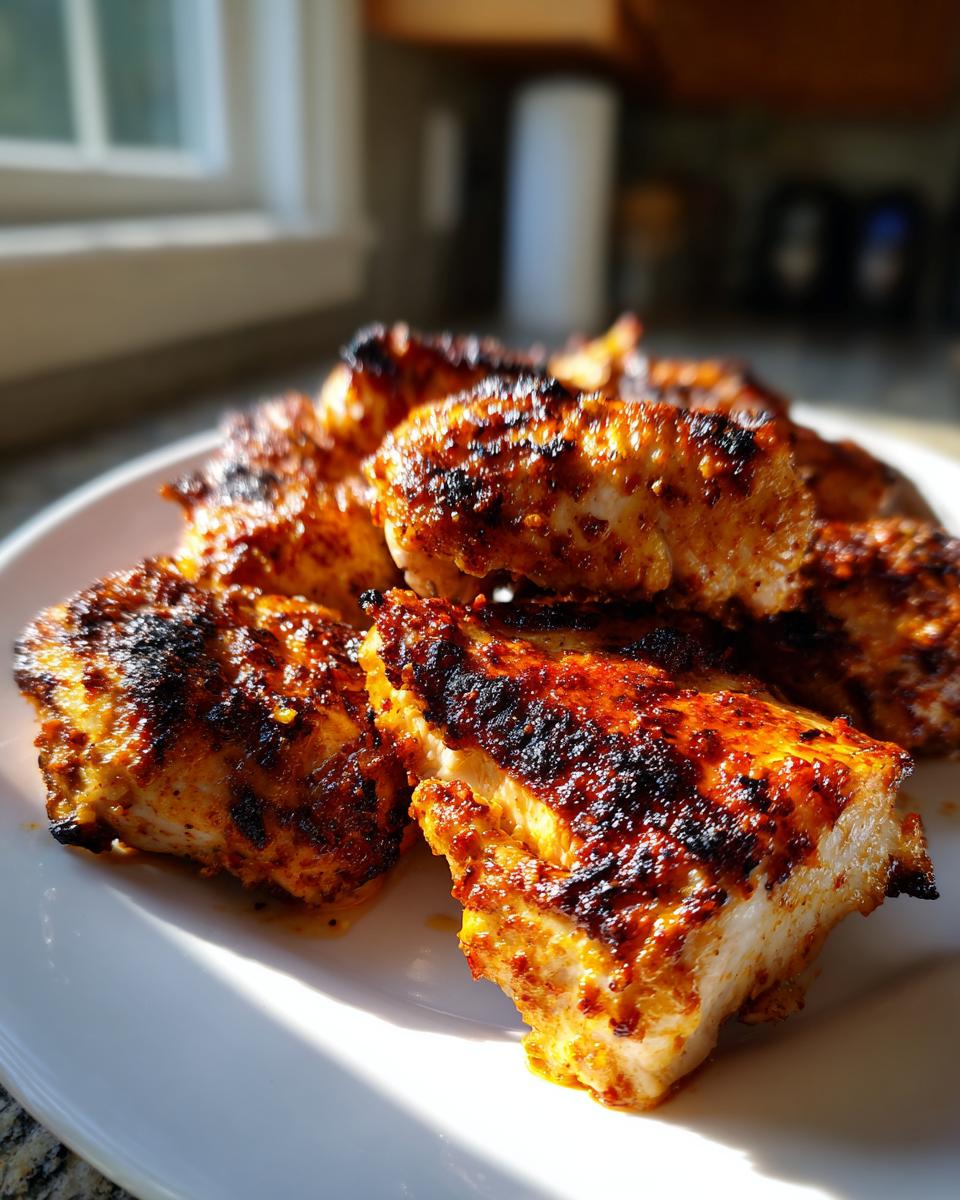
Now for the chicken itself. You can use breasts or thighs—whatever you prefer works beautifully here. Place your chicken into a large zip-top bag. This makes sure every piece gets coated without wasting a ton of marinade. Pour that beautiful liquid gold right over the top and massage the bag gently. Make sure everything is swimming in flavor!
For safety and best flavor, you need at least 30 minutes sitting in the fridge on this All Purpose Marinade Chicken base. Honestly, if you can let it go for three or four hours, you’ll get even better texture. The absolute maximum I recommend for poultry is four hours due to the acid content; anything longer and the texture can start to go soft, which is the opposite of what we want!
Crucially, when you pull the chicken out to cook—whether it’s headed for the oven or the grill—you must discard the leftover marinade. Do not reuse it or pour it over the cooked chicken. That liquid has touched raw meat, so toss it right away!
Cooking Guide: Achieving Juicy Chicken Marinade Results
Now for the fun part! This is where our preparation pays off. Because we built such a fantastic chicken marinade base with oil and acid, the resulting chicken practically bastes itself while cooking. I know everyone has a different favorite way to cook, so I’ve tailored the instructions for the three most popular methods. Remember, the flavor profile here makes it a fantastic Air Fryer Chicken Marinade base, too!
If you’re cooking breasts, watch them closely, as they cook faster. For thick cuts, you might need to drop the heat slightly or move them to a cooler part of the grill or oven to finish gently. If you want an amazing side dish to go with this, check out my recipe for Oven Baked Chicken—it uses a slightly different technique but gets that same level of tenderness!
Tips for the Perfect Grill Chicken Marinade
Grilling is my favorite way to use this blend, especially on a Saturday afternoon. For those beautiful char marks and smoky flavor, heat your grill to a solid medium heat. If you go too high, the sugars in the marinade can burn before the center cooks, making the outside bitter.
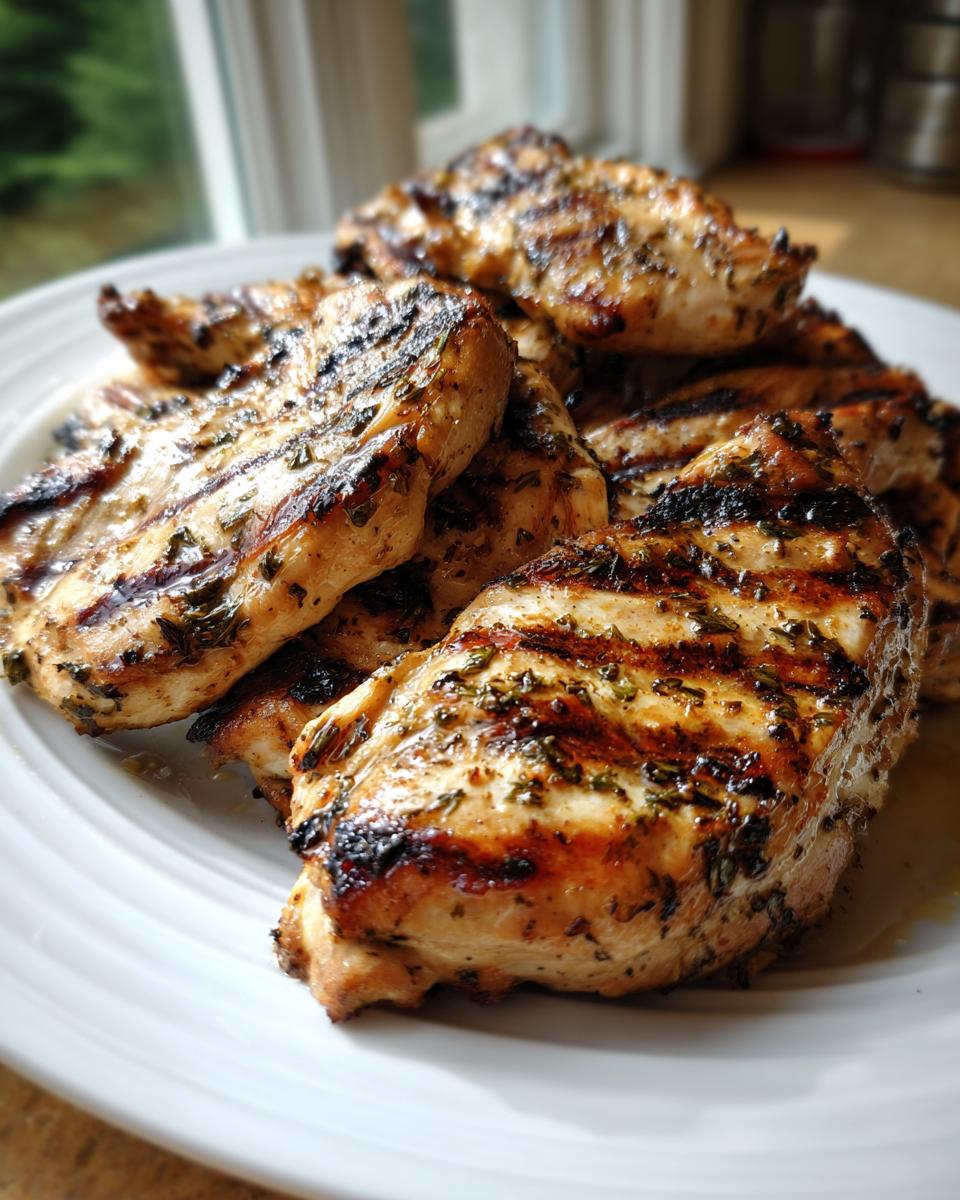
If you’re using leaner chicken breasts, make sure they are uniform in thickness so they cook evenly. Chicken thighs, honestly, are more forgiving on the grill because they have more fat, so they stay juicier even if you accidentally leave them on a minute too long. Keep those flare-ups minimal by wiping off any excess marinade just before it hits the grates. We want glaze, not flames!
Bake Chicken Marinade Temperature and Timing
Baking is the ultimate set-it-and-forget-it method for a satisfying Weeknight Chicken Dinner Idea. I find that 400°F (200°C) is the sweet spot for baking this marinating chicken, whether it’s in a baking dish or on a rack. This higher heat ensures you get some nice caramelization on the edges while still cooking the interior thoroughly.
For an average one-inch thick chicken breast, you’re looking at about 20 to 25 minutes. But here’s the non-negotiable step, and this is crucial for food safety and quality: always use a digital thermometer. Chicken is done when it hits that magical 165°F (74°C) mark internally. If you have thicker pieces, you might need 30 minutes. Don’t guess; use the thermometer. If you’re curious about other baking magic, I have a fantastic, if unusual, Air Fryer Crab Cakes recipe that surprisingly does well in the oven too!
Customizing Your chicken marinade: Flavor Variations
If you’re getting comfortable with this foundational chicken marinade, you might be wondering how far you can push it. That’s what I love about this base—it’s stable enough to handle flavor additions without falling apart or losing its tenderizing magic. You don’t have to stick to the savory, slightly herbaceous standard for every single meal. In fact, by adding just a couple of extra pantry spices, you can pivot to completely different flavor profiles that feel brand new!
This versatility is what makes it a truly useful Homemade Chicken Marinade recipe. It means less time looking for specialty ingredients and more time just cooking dinner. When I was planning meals for the week, I used to pre-make three different small batches of this base just to have variety. It’s amazing how much flavor you can pack in with just a spoonful or two of something extra!
Creating a Fajita Chicken Marinade Twist
Want to take this American favorite and give it a serious Southwestern kick that’s perfect for tacos or fajitas? It couldn’t be easier. You don’t need a whole new recipe; just add to what you’ve already whisked together. For this transformation, grab your chili powder and cumin.
Here’s the simple rule: For every batch you make, stir in one full tablespoon of chili powder and one teaspoon of ground cumin right along with the garlic and onion powder in the initial mixing step. That smoked paprika we already have plays beautifully with the chili powder, giving you that slightly smoky, earthy warmth that screams Mexican cuisine. You can see a totally different, but related, flavor profile in my recipe for Authentic Carne Asada Marinade, but this simple addition gets you halfway there instantly!
Boosting Flavor for a Greek Chicken Marinade
If you’re craving something brighter, more savory, and reminiscent of a seaside taverna, we pivot toward the Mediterranean. This is where you want to lean into those earthier herbs. We’ll adjust the oregano we already have.
Take that dried oregano you used before and bump it up—use two full teaspoons instead of just one. Then, crucially, add one teaspoon of dried thyme. Thyme and lemon are best friends in Greek cooking, and when paired with the olive oil base we are using, it creates a fantastic, zesty Lemon Garlic Chicken Marinade variation. This version is absolutely divine when grilled, and if you ever want to see where I pull inspiration for these bright profiles, check out this Pollo Asado inspiration!
Making This chicken marinade Freezer Friendly for Meal Prep
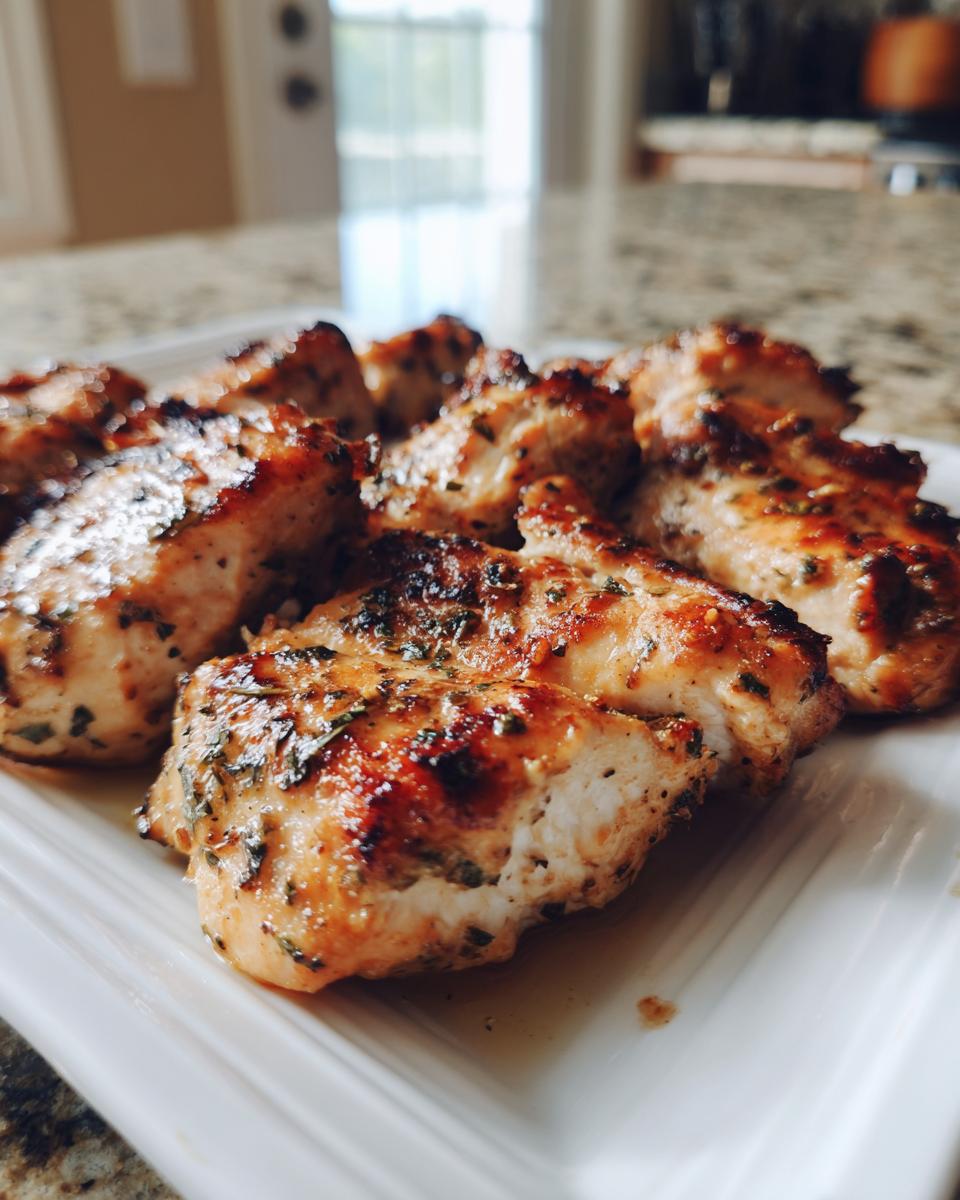
One of the core reasons I developed this base recipe was to combat the “What’s for dinner *tonight*?” stress. I was so tired of having to start from scratch every afternoon when I got home from work. That’s why I made sure this chicken marinade is totally Freezer Friendly Marinade ready. It’s truly a game-changer for setting yourself up for success later in the month.
If you’re planning ahead, you don’t need to cook the chicken first! The beauty of this process is that you mix the marinade, toss it with your chicken—breasts or thighs work equally well—seal it up, and toss the whole bag straight into the freezer. I like to use heavy-duty, gallon-sized zip-top bags for this so they lay flat in the freezer. That flat surface means they thaw much faster when you finally need them!
You can safely keep this freezer-ready batch for up to three months. Three whole months! Picture it: you suddenly realize you have nothing defrosted for dinner, but you remember that bag of perfectly seasoned chicken sitting patiently in the ice. It’s the definition of smooth sailing. You just pull it out the night before you plan to cook it, let it thaw in the fridge, and proceed exactly as if you had just mixed it up an hour ago. You can explore other meal prep heroes over on my post about High-Protein Garlic Chicken Fried Rice, but having this on hand makes everything easier!
This commitment to simple, ready-to-go flavor is what makes a kitchen feel functional, not frantic. For another look at how other people utilize healthy, simple freezer prep, I always reference the inspiration I found over at Downshiftology’s freezer-friendly options. It’s smart cooking, and it fits perfectly with delivering reliably tender meat every time.
Storage and Reheating Instructions for Tender Chicken Marinade
We’ve talked about prepping and freezing raw chicken, but what about leftovers? Even the juiciest chicken can suffer if you don’t treat it right once it’s cooked. Since this recipe uses a lot of fresh ingredients, especially that wonderful fresh lemon juice, I must stress that you should always discard the marinade that touched the raw meat, right after you pull the chicken out. Don’t try to save it in the fridge; it’s a safety risk, and honestly, the flavor has already done its job by that point!
Once your chicken is grilled, baked, or pan-seared to perfection, you need to put it into an airtight container if you have more than you can eat in one sitting. The real secret to keeping that tenderness locked in when reheating is introducing moisture back into the equation. You can’t just microwave it on a plate and expect greatness!
If you’re planning on leftovers for lunch the next day, think about how you’re reheating it. Microwaves tend to dry things out very quickly, even juicy meat. Instead, I always recommend either quick slicing the cooked chicken and gently warming it in a skillet with a tablespoon of broth or water, or wrapping it loosely in foil and placing it in a low oven—say, 300°F (150°C)—until it’s just heated through. This gentle warmth coaxes out the moisture the marinade helped create in the first place.
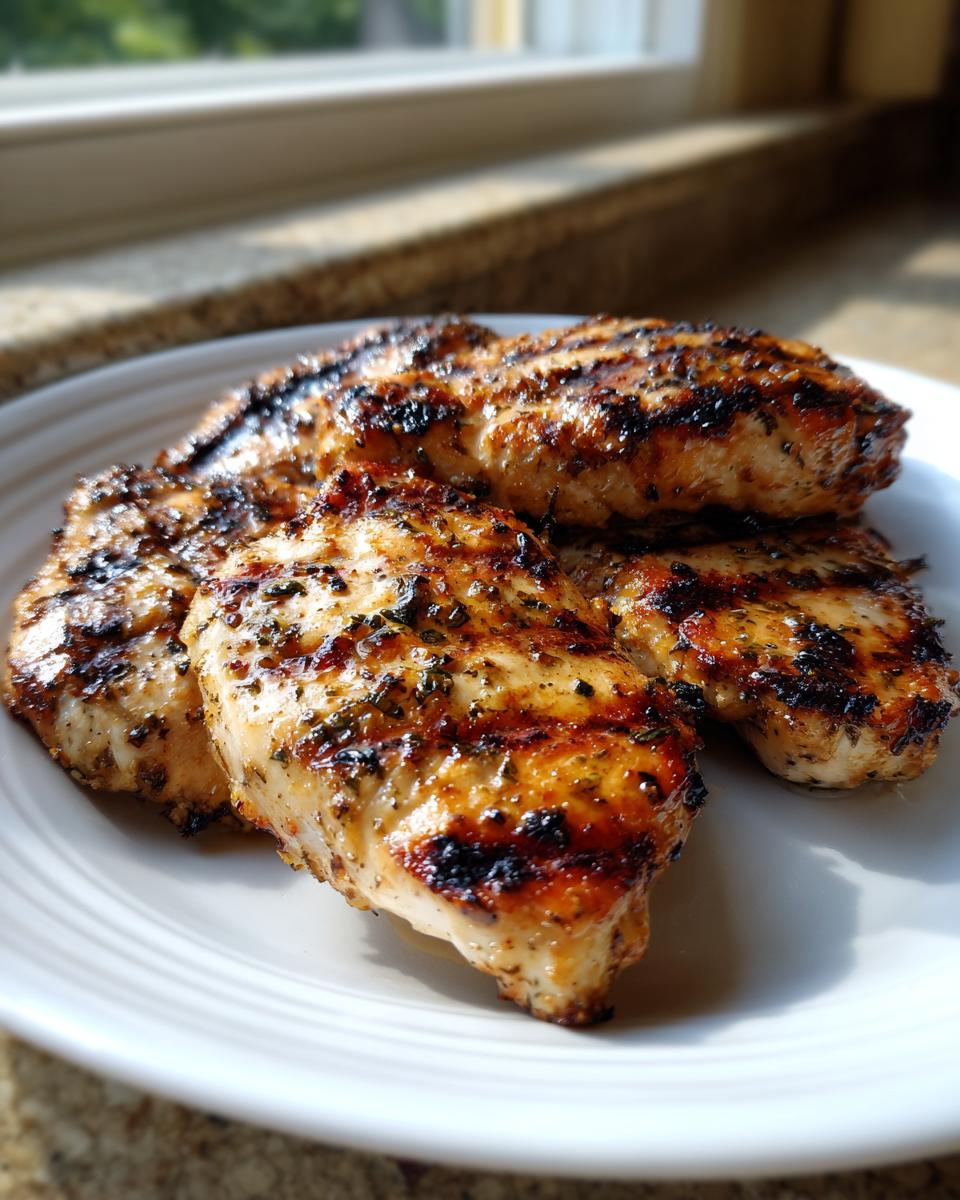
If you are a soup lover and you have leftover cooked chicken, this is the perfect base to toss into something comforting, like my Creamy Chicken Tortilla Soup. It reheats beautifully when submerged in liquid, ensuring zero dryness. It’s all about mindful reheating to preserve the amazing results we achieved with our Tender Chicken Marinade process!
Troubleshooting Common chicken marinade Issues
Even with the best intentions and a fantastic recipe like this, sometimes things don’t go quite as planned in the kitchen. That doesn’t mean you failed; it just means we need to troubleshoot! Since I spent months perfecting this blend, I know the few common pitfalls home cooks run into. Addressing these head-on means you’ll build a high level of trust with this recipe, and more importantly, with your own cooking skills. We want reliable results, right?
The two major things people accidentally mess up involve either the salt level or the marinating time. Get those two right, and I guarantee you, this chicken marinade will deliver juicy perfection every time. If your chicken ends up tasting a little off, it’s usually one of these issues cropping up, but they are so easy to fix next time around. If you enjoy casseroles as a comfort fix, my Chicken Divan Cassserole is a creamy alternative for when you aren’t using a marinade!
Let’s look at the main culprits that can derail your otherwise perfect weeknight dinner plans.
Why is My Chicken Too Salty After Marinating?
This is almost always related to the soy sauce. Think about it: soy sauce is fantastic for adding that deep umami backbone, but it is packed with sodium. If you’re using a standard soy sauce, measure that 3 tablespoons exactly. If you accidentally grab low-sodium soy sauce, you might feel the urge to add extra salt (which is in the recipe), resulting in an over-salted bite.
The fix for next time is simple: if you are using low-sodium soy sauce, measure carefully, but maybe hold off on adding that full 1/2 teaspoon of table salt until you taste the marinade *before* adding the chicken. Or, here’s a trick: if you’ve already marinated the chicken and it tastes just a bit too salty, try rinsing the chicken pieces briefly under cold water before cooking and patting them dry. This quick rinse washes away the surface excess salt without completely robbing the meat of the deeper flavor penetration.
The Chicken Still Came Out Dry—Did I Mess Up the Marinating Time?
When I started cooking, I used to just throw the chicken in for 15 minutes and call it done. Newsflash: that’s not enough time for the acids (lemon juice) to actually get into the tissue and start working their magic to break down proteins and tenderize the meat. That’s why this tender chicken marinade requires at least 30 minutes.
If your chicken came out dry, you most likely pulled it out too soon, or perhaps you overcooked it after marinating (check those internal temperatures!). If you marinate for only 15 minutes, you’re just coloring the outside. For that true, deep tenderness, you need 2 to 4 hours, exactly as I noted earlier. Patience is key here, even with a quick recipe—marinating passively is letting the science do the hard work for you while you go about your day.
Estimated Nutritional Data for This chicken marinade Recipe
As a chef who turned from marketing director to full-time cook, I have a deep respect for transparency in the kitchen. When you’re aiming for a truly Healthy Chicken Marinade, knowing what’s going into your body is just as important as knowing how to get that perfect sear!
The figures below are a detailed estimate for this particular chicken marinade recipe, based on standard ingredient inputs and the serving size we outlined (4 oz of cooked, marinated chicken per person). Please remember that these are guides! Things like how much oil you drain off before grilling or the exact brand of soy sauce you use can swing these numbers slightly. But this gives you a fantastic baseline for tracking meals.
This is a lean, flavor-packed option—perfect for keeping things simple and satisfying without breaking your diet goals. For more dedicated healthy main courses, have a look at my Healthy Chicken Marinade Recipe collection.
- Serving Size: 4 oz chicken (after marinating and cooking)
- Calories: 180
- Protein: 15g
- Fat: 12g
- Saturated Fat: 2g
- Unsaturated Fat: 10g
- Trans Fat: 0g
- Carbohydrates: 2g
- Fiber: 0g
- Sugar: 1g
- Sodium: 450mg (Note: This is the main variable—adjust based on your soy sauce!)
- Cholesterol: 50mg
The BEST All-Purpose Chicken Marinade for Juicy, Flavorful Chicken
Say goodbye to dry chicken. This easy, homemade chicken marinade uses simple pantry staples to create the most tender, juicy, and flavorful chicken every time. It is perfect for grilling, baking, or pan-searing.
- Prep Time: 10 min
- Cook Time: 20 min
- Total Time: 30 min
- Yield: 4 servings 1x
- Category: Main Course
- Method: Grilling, Baking, Pan-Searing
- Cuisine: American
- Diet: Low Fat
Ingredients
- 1/2 cup olive oil
- 1/4 cup fresh lemon juice
- 3 tablespoons soy sauce
- 2 tablespoons Dijon mustard
- 1 tablespoon Worcestershire sauce
- 1 tablespoon dried oregano
- 1 teaspoon garlic powder
- 1 teaspoon onion powder
- 1 teaspoon smoked paprika
- 1/2 teaspoon black pepper
- 1/2 teaspoon salt
Instructions
- In a medium bowl, whisk together the olive oil, lemon juice, soy sauce, Dijon mustard, Worcestershire sauce, oregano, garlic powder, onion powder, smoked paprika, black pepper, and salt until fully combined. This is your all-purpose chicken marinade.
- Place 1.5 to 2 pounds of chicken (breasts or thighs) into a large zip-top bag or shallow dish.
- Pour the marinade over the chicken, ensuring all pieces are coated well.
- Seal the bag or cover the dish. Refrigerate for at least 30 minutes, or up to 4 hours, for best results. For freezer-friendly meal prep, you can freeze the chicken and marinade together for up to 3 months.
- When ready to cook, remove the chicken from the marinade and discard the excess liquid.
- Cook using your preferred method: Grill over medium heat for 6-8 minutes per side, bake at 400°F (200°C) for 20-25 minutes, or air fry at 375°F (190°C) for 15-18 minutes, until the internal temperature reaches 165°F (74°C).
Notes
- For a Mexican or Fajita flavor profile, add 1 tablespoon of chili powder and 1 teaspoon of cumin to the marinade base.
- For a Greek flavor, increase the oregano to 2 teaspoons and add 1 teaspoon of dried thyme.
- This recipe works well for chicken breasts and chicken thighs. Adjust cooking time slightly for thicker cuts.
Nutrition
- Serving Size: 4 oz chicken (after marinating)
- Calories: 180
- Sugar: 1
- Sodium: 450
- Fat: 12
- Saturated Fat: 2
- Unsaturated Fat: 10
- Trans Fat: 0
- Carbohydrates: 2
- Fiber: 0
- Protein: 15
- Cholesterol: 50