
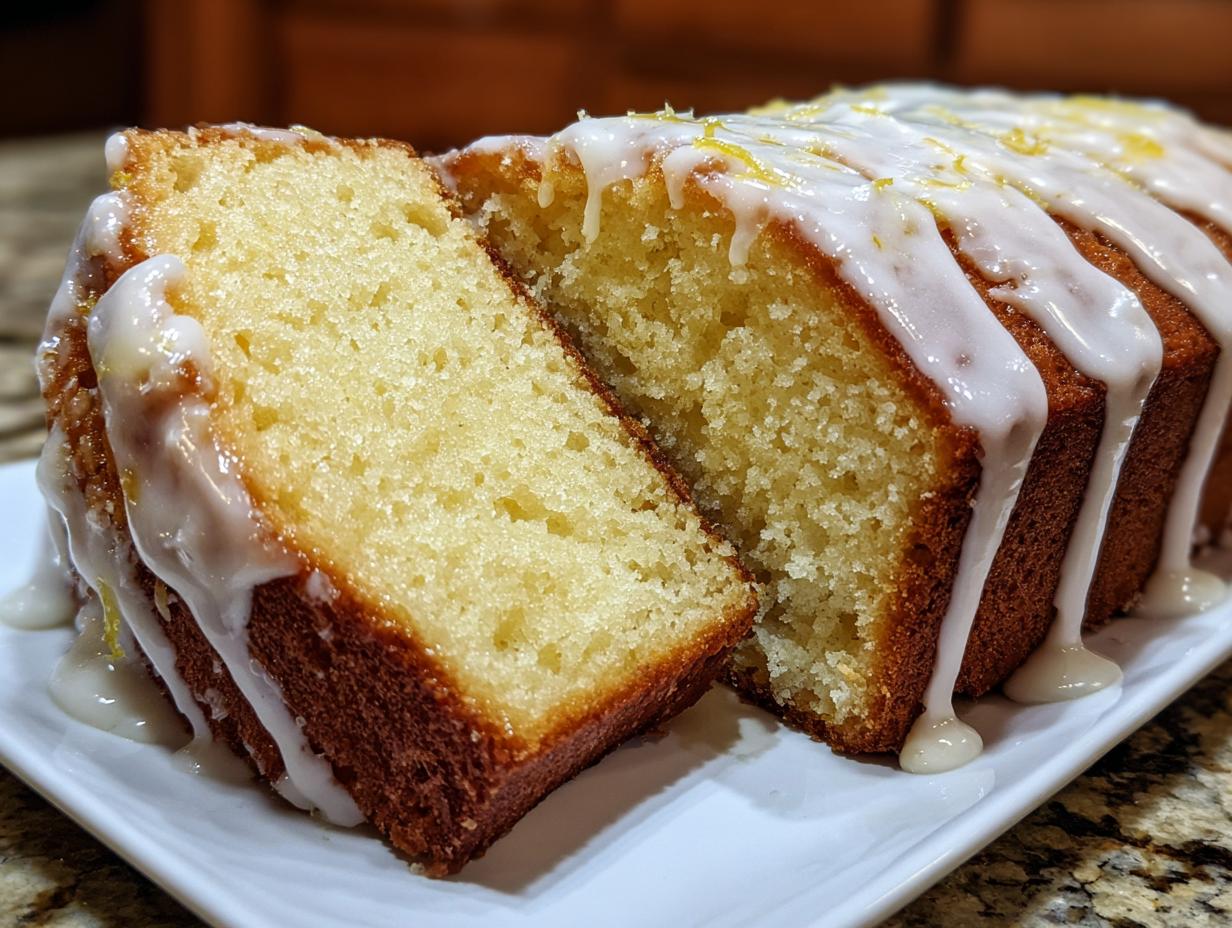

We all chase that perfect, unattainable baked good, don’t we? I remember spending years staring at spreadsheets in my old marketing job, dreaming of a dessert that tasted as good as it looked. I traded that life for this kitchen right here, dedicated to perfecting classics after tasting that first incredible bite in New Orleans. I thought making something truly spectacular—something that didn’t dry out two hours after cooling—was reserved for professional bakeries. Well, I’m here to tell you, that dream is achievable! After that pivot, I learned so much about technique, which you can read more about on my About Page. This isn’t just another cake; this is The ULTIMATE Moist Lemon Pound Cake with Zesty Glaze. It’s rich, it’s buttery, and it’s the result of countless attempts to capture that bright, zesty citrus perfection. Trust me, this buttery pound cake from scratch will change how you think about baking citrus desserts.
- Why This is the Best Lemon Pound Cake You Will Bake
- Gathering Ingredients for Your Lemon Pound Cake
- How to Prepare the Ultimate Moist Lemon Pound Cake
- Ingredient Notes and Substitutions for Your Lemon Pound Cake Recipe
- Tips for Success: Baking a Bakery Style Lemon Cake
- Serving Suggestions for Your Lemon Pound Cake
- Storage and Reheating Instructions for Lemon Pound Cake
- Frequently Asked Questions About This Lemon Pound Cake
- Share Your Lemon Pound Cake Creations
Why This is the Best Lemon Pound Cake You Will Bake
Look, I’ve baked enough cakes to know when one is truly special. This lemon pound cake isn’t just good; it delivers everything the search results promise: intensity and moisture. It beats out every other version I’ve tested because I focused heavily on reliability. When you try this, you’ll notice immediately:
- It has that dense, satisfying structure—not light and airy, but utterly luxurious.
- The citrus punch lasts long after the first bite.
- It stays perfectly moist for days, which is rare for citrus cakes! If you want to see my full breakdown on citrus baking, check out my zesty cake deep dive.
Achieving a Tender Crumb Pound Cake
The secret ingredient here is the sour cream. Please don’t skip it or substitute it with low-fat versions underneath the cream cheese variation! Sour cream brings a high fat content and just enough acidity to interact beautifully with the flour. It keeps the crumb tight, creamy, and incredibly soft. That’s how you get that signature velvety finish.

The Secret to Bright Lemon Flavor
Don’t let anyone fool you with vanilla-lemon flavorings. Extracts are fine for quick fixes, but they don’t carry the same vibrance. To get that intense, mouth-puckering brightness, you absolutely must use fresh lemon zest and fresh juice. The oil in the zest is where the magic—and the intense aroma—lives.
Gathering Ingredients for Your Lemon Pound Cake
Okay, now that you know why this lemon pound cake is utterly different from anything you’ve made before, it’s time to gather our tools. When you’re aiming for that intensely buttery and tart profile, the quality and preparation of your ingredients matter more than you think. For example, if you’re planning on adding more citrus later, you might want to check out my Chicken Piccata recipe—it uses lemons in a completely different way!
We need two main sets of components here: the foundation for that thick, tender crumb and the sharp glaze that balances the sweetness.
Ingredients for the Buttery Pound Cake Base
Remember, the secret to a great pound cake from scratch starts before you even turn on the mixer. Make sure your dairy and eggs are sitting out for at least an hour. They need to be completely at room temperature—it’s crucial for that smooth emulsion!
- 1 1/2 cups (3 sticks) unsalted butter, softened
- 3 cups granulated sugar
- 4 large eggs, room temperature
- 1 tablespoon lemon zest (from about 3 lemons—yes, you need all that zest!)
- 1/4 cup fresh lemon juice
- 1 teaspoon vanilla extract
- 1 cup full-fat sour cream
- 3 cups all-purpose flour
- 1 teaspoon baking powder
- 1/2 teaspoon salt
- 1/2 cup whole milk
Ingredients for the Zesty Lemon Glaze
This glaze is designed to be sharp; it cuts right through the richness of the buttery pound cake. We’re using a good amount of juice here, so make sure those lemons you zested earlier are ready to be squeezed!
- 2 cups powdered sugar
- 1/4 cup fresh lemon juice (This is where the real tang comes from!)
- 1 tablespoon melted butter
How to Prepare the Ultimate Moist Lemon Pound Cake
Getting this lemon pound cake right is all about the texture, and that starts the second you switch on your mixer. Don’t rush the initial creaming—that’s the foundation for everything wonderful that follows. I’ve learned so much about technique since leaving my old desk job to focus on baking reliable recipes like this one; you can find more inspiration in my general Desserts category. We are aiming for a masterpiece you’d expect from a top bakery, but achieved right on your counter!
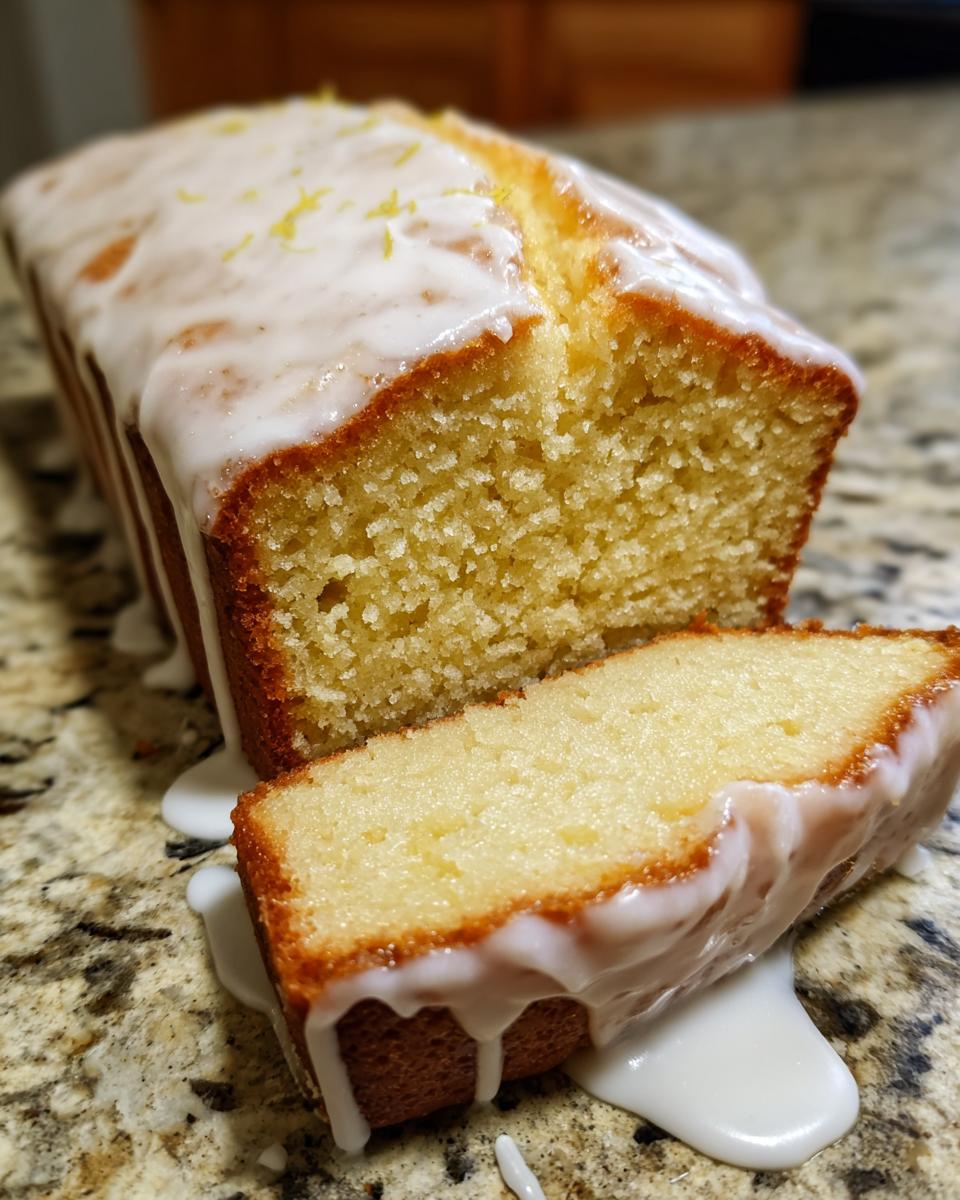
Mixing the Batter for Perfect Texture
First thing: get that oven to 325°F (160°C) and prep that tube or Bundt pan, trust me on this! Start by creaming your softened butter and sugar until it’s genuinely light and fluffy—we are whipping air into this batter, which makes that crumb tender later on. Beat your room-temperature eggs in one at a time. Then, gently fold in the flavor bombs: the zest, juice, and vanilla.
Now for the crucial balance act, the alternating additions that keep everything smooth. Add some of your dry ingredients (flour mix), followed by some of the wet (milk/sour cream mix), repeating until everything is incorporated. And here is my main piece of advice: stop mixing the second the last streak of flour disappears! Overmixing this batter is the fastest way to lose that melt-in-your-mouth texture we worked so hard to build.
Baking and Cooling the Lemon Pound Cake
Pour that beautiful lemon batter into your prepared pan and slide it in. Since this is a dense cake, it needs a little patience—baking runs about 60 to 75 minutes. You know it’s done when a skewer comes out clean. Don’t touch it for 15 minutes after it comes out of the oven; let it settle on a wire rack in the pan. This little waiting period helps the structure set up before you flip it out.
Applying the Zesty Lemon Glaze
This is my favorite part! Once the cake is completely cool—and I mean completely, otherwise that zesty lemon glaze is just going to melt into a sad puddle—we finish the job. Whisk together the powdered sugar, the remaining fresh lemon juice, and that melted butter until it’s perfectly smooth. If it looks too thick for drizzling, just splash in a few more drops of juice. Drizzle it everywhere! Let that gorgeous, sharp glaze set up before slicing into your stunning citrus dessert.

Ingredient Notes and Substitutions for Your Lemon Pound Cake Recipe
Baking a lemon pound cake that hits that high standard means understanding *why* certain ingredients are there. I know people get nervous mid-bake when they realize they’re out of something, or they wonder if they can swap a high-fat dairy item for something lighter. I’ve spent enough time testing these formulas to tell you where you can tweak things, and where you absolutely shouldn’t mess with the structure. If you want to see more of my general baking insights, hop over to the Gourmet Gaze Blog!
Room Temperature Ingredients: Why It Matters
When I first started swapping out my corporate mindset for a culinary one, I thought ‘room temperature’ was just a suggestion. Wrong! For this classic pound cake, it is fundamental. When your butter, eggs, and especially that sour cream are all at the same, slightly warm temperature, they emulsify—meaning they blend into a homogenous mixture without separating.
If they’re cold, the fat coats the protein molecules instead of incorporating them smoothly. That results in a curdled-looking batter, and trust me, that translates to a slightly tougher cake structure later on. You want that perfectly smooth base so the air you beat into the butter actually stays there during baking!
Alternatives to Sour Cream
The sour cream here is non-negotiable for the best flavor, but if you find yourself in a pinch, we have options. Full-fat Greek yogurt is a phenomenal substitute because it brings a similar density and tang. Measure it exactly spoon for spoon—one cup of yogurt for one cup of sour cream.
If yogurt isn’t an option, buttermilk works well to provide the necessary moisture and acidity. If you use buttermilk, though, you might need to reduce the amount of whole milk you add by about two tablespoons. Buttermilk is thinner than sour cream, so we want to balance that liquid content slightly to keep us on track for that incredibly moist lemon pound cake recipe.
Tips for Success: Baking a Bakery Style Lemon Cake
I know you’re going to nail this lemon pound cake, but I want to share a few tricks I picked up when I was trying to get that professional, bakery style lemon cake look and flavor. These tips aren’t in the main recipe because they are the little nudges that take a cake from great to absolutely unforgettable. You’ve got the technique down, but these details? These are what make people ask where you bought it!
If you’re looking for another bright, citrusy treat to wow people with, you should definitely look at my recipe for Easy Lime Sorbet—it uses that fresh citrus power perfectly!
Zest First: Maximizing Citrus Flavor
This might seem obvious, but trust me on this one: always zest your lemons *before* you juice them! Once you cut into a lemon, the oils on the peel begin to dry out almost immediately. You need that flavor at its peak oil content.
When you zest the whole fruit, the peel is firm, and you get that bright yellow zest without accidentally digging into that bitter white pith underneath. I always use a microplane for this, and it pulls off these incredibly fine, fragrant shavings. Save the juice for the recipe, but use the zest right away while the oils are still singing!
Pan Preparation for Easy Release
If you’ve ever wrestled a dense pound cake out of a Bundt pan, you know the anxiety—it can totally ruin your presentation! For a rich, buttery cake like ours, simple butter and flour often isn’t enough insurance. When you’re preparing that 10-inch tube or pretty Bundt pan, I go heavy-duty.
First, generously coat every single nook and cranny with softened butter—really work it into the crevices with a pastry brush. Then, dust it with flour, tapping out any major excess. For extra security, sometimes I even dust it lightly with fine granulated sugar instead of flour. That little sugar layer caramelizes slightly when baking and practically guarantees a clean release later on!
Serving Suggestions for Your Lemon Pound Cake
Now that you have this incredible, tangy, and buttery pound cake cooling, you’re probably already planning when you’ll serve it! This lemon pound cake is a powerhouse on its own, but sometimes a special occasion—or just a really nice Sunday brunch—calls for a little extra adornment. Since the cake itself is so rich, we want toppings that enhance the bright lemon flavor without weighing the whole thing down.
If you’re planning a full menu, check out my guide to planning the perfect spread over on my All Things Brunch page. But for the cake itself, here are my favorite ways to dress it up!

Pairing with Creamy Toppings
The sharp glaze is fantastic, but if you need something richer, especially for a holiday gathering, you can’t go wrong with fresh dairy. A simple dollop of freshly whipped cream, sweetened just lightly, provides a beautiful textural contrast to the dense crumb of the cake. You whip heavy cream until soft peaks form, add just a tiny bit of powdered sugar and maybe a splash of vanilla or even a hint of almond extract.
Another idea that really doubles down on the lemon goodness is a homemade lemon curd topping. I use a slightly different lemon ratio in my curd just so the flavor pops even more against the cake. It’s luxurious, it’s bright, and it makes every slice feel like a five-star dessert. Spoon it right over the slices, or spread a thin layer on top before you drizzle the glaze—wow!
Storage and Reheating Instructions for Lemon Pound Cake
One of the biggest compliments you can pay this lemon pound cake is that it tastes just as good the next day—or even days later! That amazing moisture we worked for in the mixing process needs to be preserved, so storage is key. You want to protect that tender crumb from drying out, especially since citrus flavors can sometimes fade slightly if left completely exposed.
If you’ve already poured on that incredible zesty lemon glaze, you need to be a bit more careful with how you wrap it. For any remaining cake, the goal is airtight protection without trapping too much moisture against the surface, which can make the crust soggy.
For the first couple of days, leaving it on the counter is usually best. Just wrap the entire cooled cake tightly in plastic wrap—I usually do one layer of plastic, then a layer of aluminum foil over the top just to be safe. Keeping it at room temperature lets you enjoy that buttery structure easily. If you happen to have leftovers from an event or want to keep it longer than three days, you can absolutely freeze it!
If you plan on freezing your moist lemon pound cake recipe leftovers, make sure the glaze is completely set. Then, wrap individual slices you think you’ll eat in a double layer of plastic wrap, followed by a freezer bag. That double protection guards against freezer burn. When you’re ready to eat a slice later, just let it thaw overnight on the counter. You can refresh it slightly by microwaving a small slice for about 10 to 15 seconds if you want that fresh-out-of-the-oven tenderness back. For more tips on keeping baked goods fresh, take a look at my guide on my Moist Banana Bread Recipe page!
Frequently Asked Questions About This Lemon Pound Cake
I get so many questions anytime I post this cake on social media—and honestly, that just proves how many people are searching for the best lemon pound cake out there! I’ve gathered a few of the most common things people ask when they are looking to bake this recipe. If you have any other burning questions, feel free to reach out via my Contact Page!
Can I make this a Lemon Cream Cheese Pound Cake?
That’s a great question, especially since creamy texture is so important! In this specific recipe, I rely on full-fat sour cream because it provides moisture and tang without making the batter too heavy, which helps maintain that beautiful lift we get during baking. If you absolutely want to pivot to a lemon cream cheese pound cake style, you would typically need to swap out some of the butter and sour cream for cream cheese. For now, this recipe is perfectly calibrated for the sour cream, but trust me, it delivers that rich mouthfeel you’re looking for!
How long does this moist lemon pound cake recipe stay fresh?
The good news is that because this is such a moist lemon pound cake recipe, it holds up incredibly well! Stored properly—tightly wrapped at room temperature, away from direct sunlight—it stays fantastic for about three to four days. The sugar and fat content act as natural preservatives. If you notice the glaze starting to soften or get sticky, that’s usually a sign to move it to the fridge, but generally, room temp is best for the texture of the cake itself.
Can I use lemon extract instead of fresh juice?
Oh, please don’t! I understand sometimes we just grab what’s handy, but for this particular cake, using lemon extract instead of fresh juice means you are sacrificing the entire point of the recipe. Extract is concentrated, synthetic, and it just doesn’t give you that vibrant, zesty kick that fresh juice and zest deliver. You are aiming for a bright lemon flavor that sings, and extract just mutes the overall performance. For an easy pound cake recipe, the simplest substitution is usually okay, but with lemon, fresh is the only way to go if you want truly satisfying results.
Share Your Lemon Pound Cake Creations
Honestly, seeing your results is the absolute best part of my day. When I left the corporate world to focus on deeply satisfying food, this community was what I was hoping to build—a place where we share the stories behind the food we make. I’ve put all my experience into making sure this lemon pound cake is reliable for you, whether you are a beginner or have been baking from scratch for years. If you’re concerned about data after sending me a message, please rest assured that I respect your privacy guidelines, which you can review on my Privacy Policy page.
Once you’ve tried this recipe and given it a shot, I would be so grateful if you could hop back here and leave a rating! Five stars, one star—whatever it is, it helps other home cooks know what to expect. Plus, I genuinely want to know how it went! Did you try serving it with the homemade lemon curd topping I mentioned? Did the zesty lemon glaze set up perfectly for you?
Leave all your thoughts, successes, and even your baking mishaps in the comments below. Hearing that this buttery pound cake made an appearance at someone’s brunch gathering or holiday event means the world to me. Happy baking, everyone, and I can’t wait to see your pictures!
PrintThe ULTIMATE Moist Lemon Pound Cake with Zesty Glaze

This recipe delivers a rich, buttery pound cake packed with bright lemon flavor. It uses sour cream for an exceptionally tender crumb and is finished with a sharp, zesty lemon glaze. This is the best lemon pound cake you will bake from scratch.
- Prep Time: 20 min
- Cook Time: 70 min
- Total Time: 90 min
- Yield: 10 servings 1x
- Category: Dessert
- Method: Baking
- Cuisine: American
- Diet: Vegetarian
Ingredients
- 1 1/2 cups (3 sticks) unsalted butter, softened
- 3 cups granulated sugar
- 4 large eggs, room temperature
- 1 tablespoon lemon zest (from about 3 lemons)
- 1/4 cup fresh lemon juice
- 1 teaspoon vanilla extract
- 1 cup full-fat sour cream
- 3 cups all-purpose flour
- 1 teaspoon baking powder
- 1/2 teaspoon salt
- 1/2 cup whole milk
- For the Glaze: 2 cups powdered sugar
- For the Glaze: 1/4 cup fresh lemon juice
- For the Glaze: 1 tablespoon melted butter
Instructions
- Preheat your oven to 325°F (160°C). Grease and flour a 10-inch tube pan or Bundt pan.
- In a large bowl, cream the softened butter and granulated sugar together with an electric mixer until the mixture is light and fluffy, about 5 minutes. This step builds structure.
- Beat in the eggs one at a time, mixing well after each addition.
- Mix in the lemon zest, 1/4 cup lemon juice, and vanilla extract until just combined.
- In a separate bowl, whisk together the flour, baking powder, and salt.
- In a small bowl, whisk the sour cream and milk together.
- Gradually add the dry ingredients to the wet ingredients, alternating with the sour cream mixture, beginning and ending with the flour mixture. Mix on low speed until just combined. Do not overmix to keep the crumb tender.
- Pour the batter evenly into your prepared pan.
- Bake for 60 to 75 minutes, or until a wooden skewer inserted into the center comes out clean.
- Let the cake cool in the pan on a wire rack for 15 minutes.
- Invert the cake onto the wire rack and allow it to cool completely.
- Prepare the glaze: Whisk together the powdered sugar, 1/4 cup lemon juice, and melted butter until smooth. If the glaze is too thick, add a few drops more lemon juice.
- Drizzle the zesty lemon glaze generously over the cooled pound cake. Allow the glaze to set before slicing and serving your bakery style lemon cake.
Notes
- For the brightest lemon flavor, use fresh lemons only; bottled juice lacks the necessary zest and brightness.
- Ensure your butter, eggs, and sour cream are at room temperature before starting; this helps the batter emulsify properly, leading to a moist pound cake recipe.
- If you prefer a loaf cake shape, use two 9×5 inch loaf pans and reduce the baking time by about 15-20 minutes.
Nutrition
- Serving Size: 1 slice
- Calories: 450
- Sugar: 45g
- Sodium: 250mg
- Fat: 25g
- Saturated Fat: 15g
- Unsaturated Fat: 10g
- Trans Fat: 0g
- Carbohydrates: 55g
- Fiber: 1g
- Protein: 5g
- Cholesterol: 90mg