
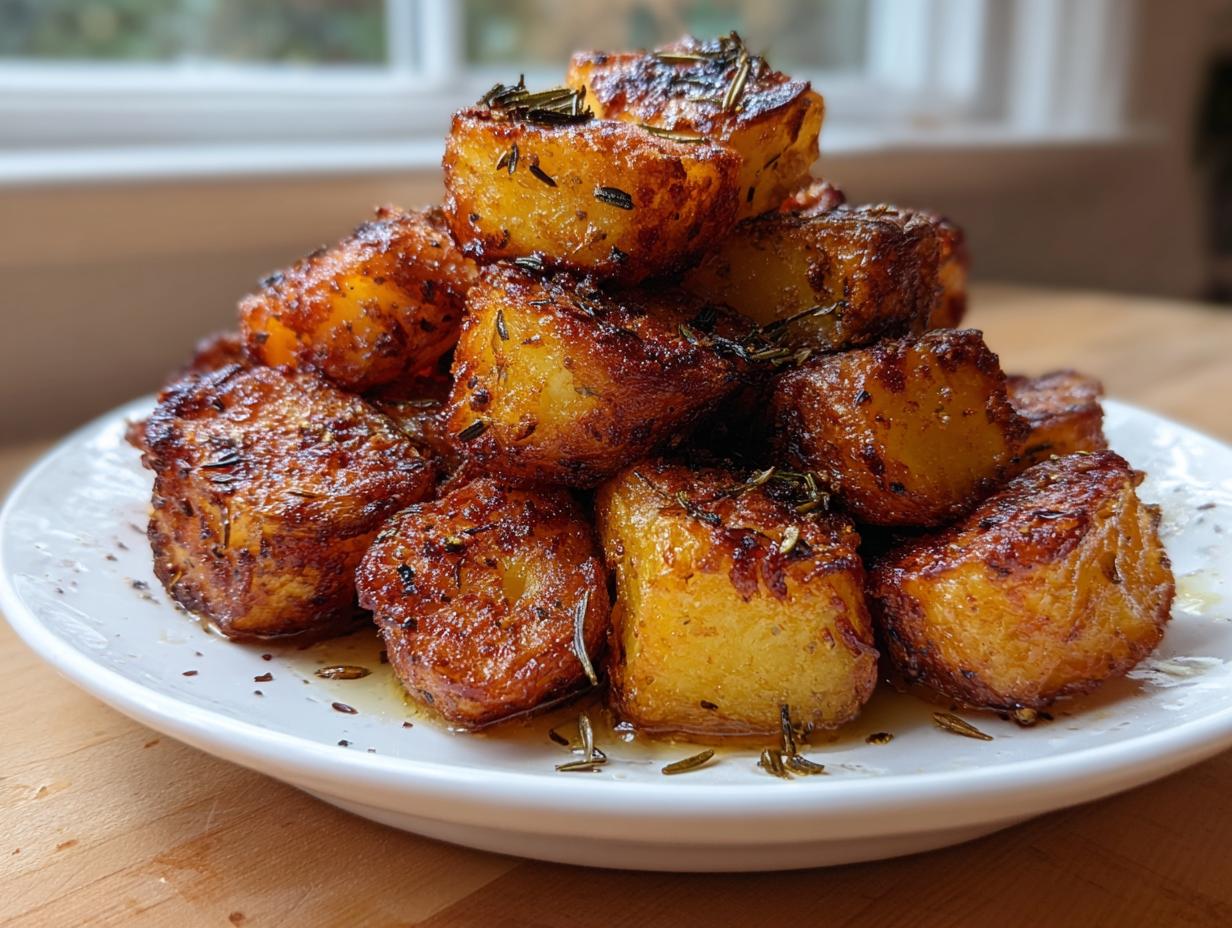

Are you tired of peeling back the oven door only to find a tray of beautiful-looking, yet tragically soggy, potatoes? I know I was. For years, getting that perfect contrast—a cloud-like, fluffy inside giving way to a deeply golden, shattering crust—felt impossible. That’s why, after ditching my demanding marketing job for a culinary adventure, perfecting oven roasted potatoes became my mission. I needed a side dish that felt both deeply comforting and visually spectacular. Trust me, the ritual I discovered changes everything, turning any dreary weeknight into a small celebration.
- Why This Is the Best Oven Roasted Potatoes Recipe
- Gathering Ingredients for Ultimate Oven Roasted Potatoes
- Expert Steps: How to Make Perfect Oven Roasted Potatoes
- Tips for Success with Your Oven Roasted Potatoes
- Flavor Variations for Garlic Herb Roasted Potatoes
- Serving Suggestions for Your Easy Roasted Potato Side Dish
- Storage and Reheating Instructions for Leftover Oven Roasted Potatoes
- Frequently Asked Questions About Crispy Roast Potatoes
- Nutritional Estimates for Oven Roasted Potatoes
Why This Is the Best Oven Roasted Potatoes Recipe
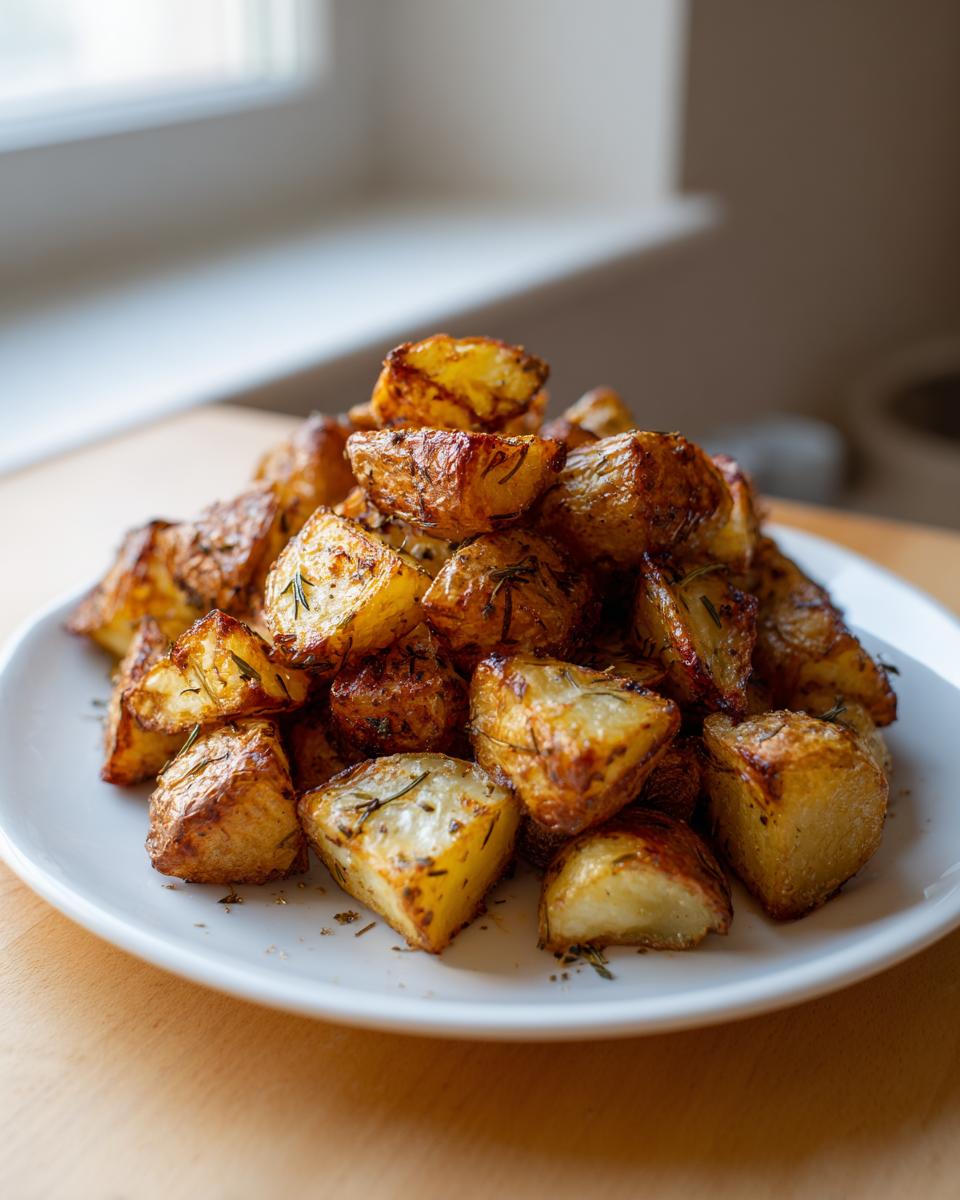
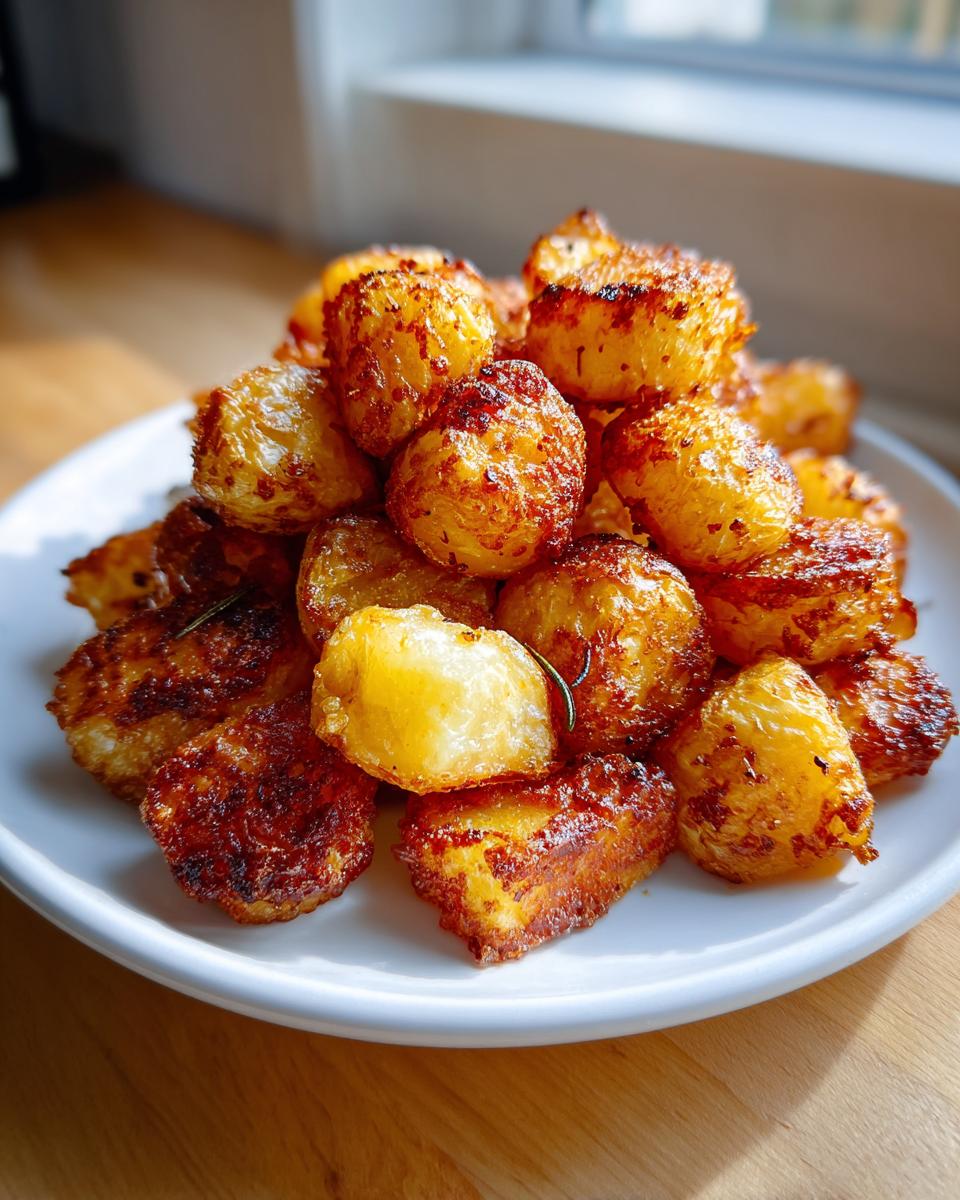
Look, a lot of recipes promise crispy roast potatoes, but they often miss the crucial steps that genuinely deliver that crunch. This recipe is different because we attack crispiness from three sides: boiling, jarring the texture, and high-heat roasting. You get the holy grail here.
- You are guaranteed those fluffy inside crispy outside potatoes every single time—no cheating allowed!
- We use a high-heat fat coating that locks in flavor while creating that signature golden brown texture.
- This method makes them robust enough to hold up under heavy gravies or for holiday feasts.
If you’re looking for foolproof results that will make you look like a kitchen hero, you need to stick with these steps. You can check out some of my other favorite side dish explorations on the Gourmet Gaze blog for more inspiration!
Gathering Ingredients for Ultimate Oven Roasted Potatoes
Okay, the quality of your ingredients here is going to dictate how spectacular these potatoes turn out. We aren’t just throwing raw potatoes in oil, remember? We’re taking them on a journey! The list looks straightforward, but quality matters, especially when it comes to the fat we use.
For the fat component, if you can source high-quality duck fat, please do it. That richness translates into an unbeatable crispiness that olive oil just can’t match. If duck fat isn’t around, go for avocado oil—it holds up beautifully to the high heat required for these babies.
- 3 lbs Russet or Yukon Gold potatoes, peeled and cut into 1.5-inch chunks
- 1/2 cup duck fat or high-heat oil (like avocado oil)
- 2 teaspoons coarse sea salt
- 1 teaspoon black pepper
- 1 teaspoon garlic powder
- 1 teaspoon dried rosemary
- 4 sprigs fresh thyme
Potato Selection and Preparation Notes
When picking your potatoes, you want one of two star players: Russets or Yukon Golds. Russets give you that incredible, fluffy interior because they are starchier. Yukon Golds are fantastic if you like a bit more structure but still want significant fluff. Whatever you choose, cut them into uniform 1.5-inch chunks. Consistency is key so they all finish cooking at the same time!
And listen, skip the fine table salt here. We are using coarse sea salt in the boiling water and for seasoning. Those coarser flakes melt just enough during roasting to create little pockets of intense flavor and help draw out moisture from that roughed-up exterior we’re about to create. Seriously, don’t skip that coarse salt!
Expert Steps: How to Make Perfect Oven Roasted Potatoes
Okay, this is where the magic happens. If you want to master how to make perfect roast potatoes that taste like they came from the best Sunday dinner in England, you need precision in these initial steps. It’s not hard, but you can’t rush it. Preheat that oven to 425°F (220°C) and get your water ready. We’re building that fluffy foundation first! If you love incredible roasted flavors, check out my guide on crispy garlic parmesan roasted broccoli—it uses similar high-heat concepts!
The Crucial Par-Boil and Drying Technique
Start by putting those cut 1.5-inch chunks into a big pot of cold water—don’t forget that tablespoon of salt in the water! Get it boiling hard, and let those potatoes go for a solid 8 to 10 minutes. We’re looking for the edges to look a little fuzzy or soft. Seriously, don’t overcook them! Once time is up, drain them completely in a colander immediately. Now, here’s the secret breather: let them sit right there, steaming away, for a full five minutes. That steam has to escape so we don’t end up with soggy bottoms later.
Creating the Crispy Surface for Oven Roasted Potatoes
This next part feels slightly silly, but please, trust me on this! Put the dry potatoes back into that empty pot. Put the lid on and shake the whole pot—hard—for about 30 seconds. You’re trying to batter those tender potato edges up! See those craggy bits forming? That rough texture is your new best friend for crispiness. While you’re shaking, you should have gently melted your duck fat or oil in a small saucepan. Melting it first helps coat everything evenly when you pour it over the roughed-up potatoes.
Pour that gorgeous fat over the potatoes immediately along with your rosemary, salt, pepper, and garlic powder. Toss it all gently—we don’t want to undo all that hard work from the shaking! You want every single surface coated.
Roasting for Golden Brown Potatoes Recipe Finish
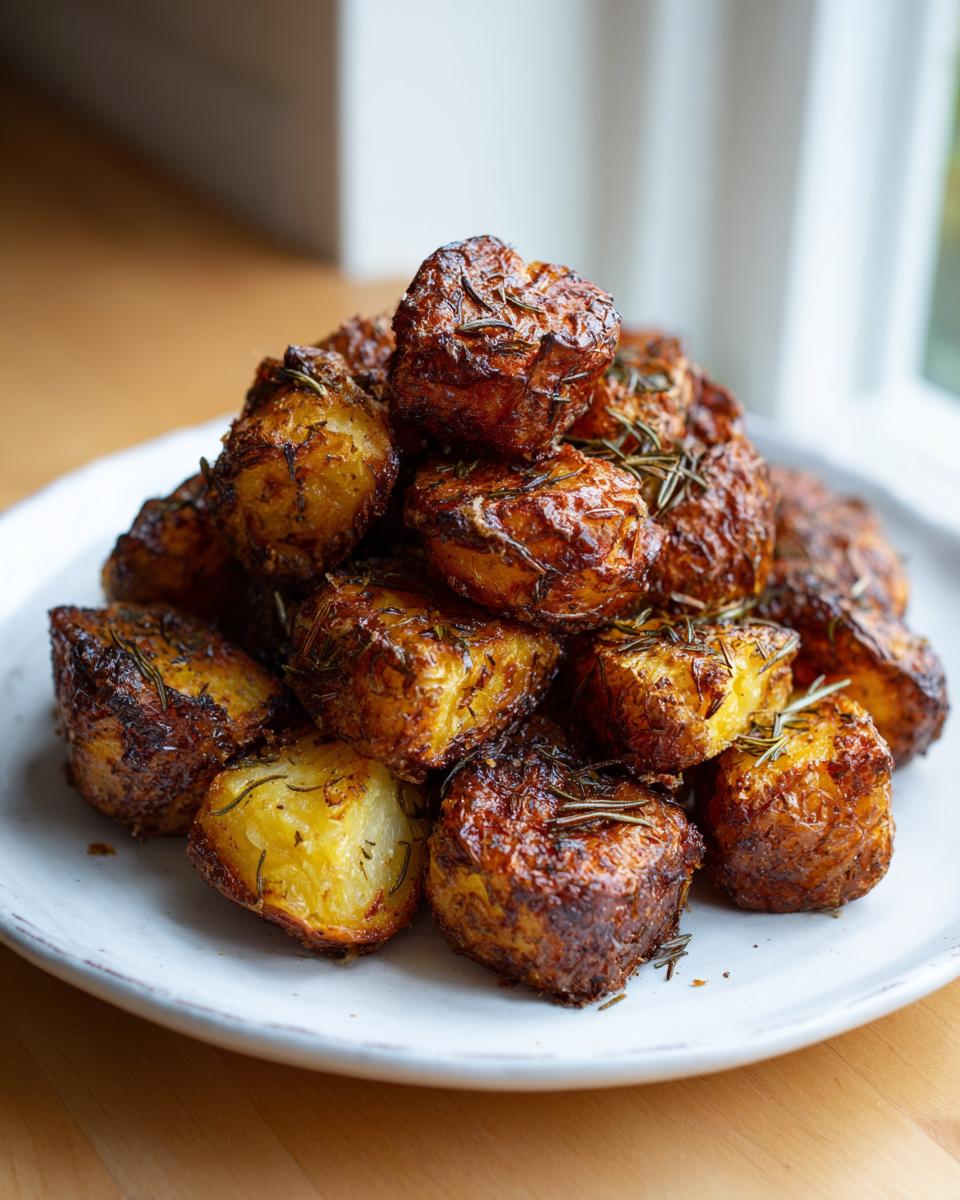
Time to hit the sheet pan! Spread those seasoned potatoes out in a single layer, and I mean single layer. If they overlap, they steam, and we hate steam! If they’re crowded, use two sheets. That’s non-negotiable for me if I want the best golden brown potatoes recipe results. Toss those thyme sprigs right on top.
Roast them for 20 minutes exactly. Then, pull the pan out, give them a good flip with a spatula—see how they look halfway cooked now? That’s progress! Send them back in for another 20 to 25 minutes until they are deep brown and yelling at you to eat them. Serve them hot!
Tips for Success with Your Oven Roasted Potatoes
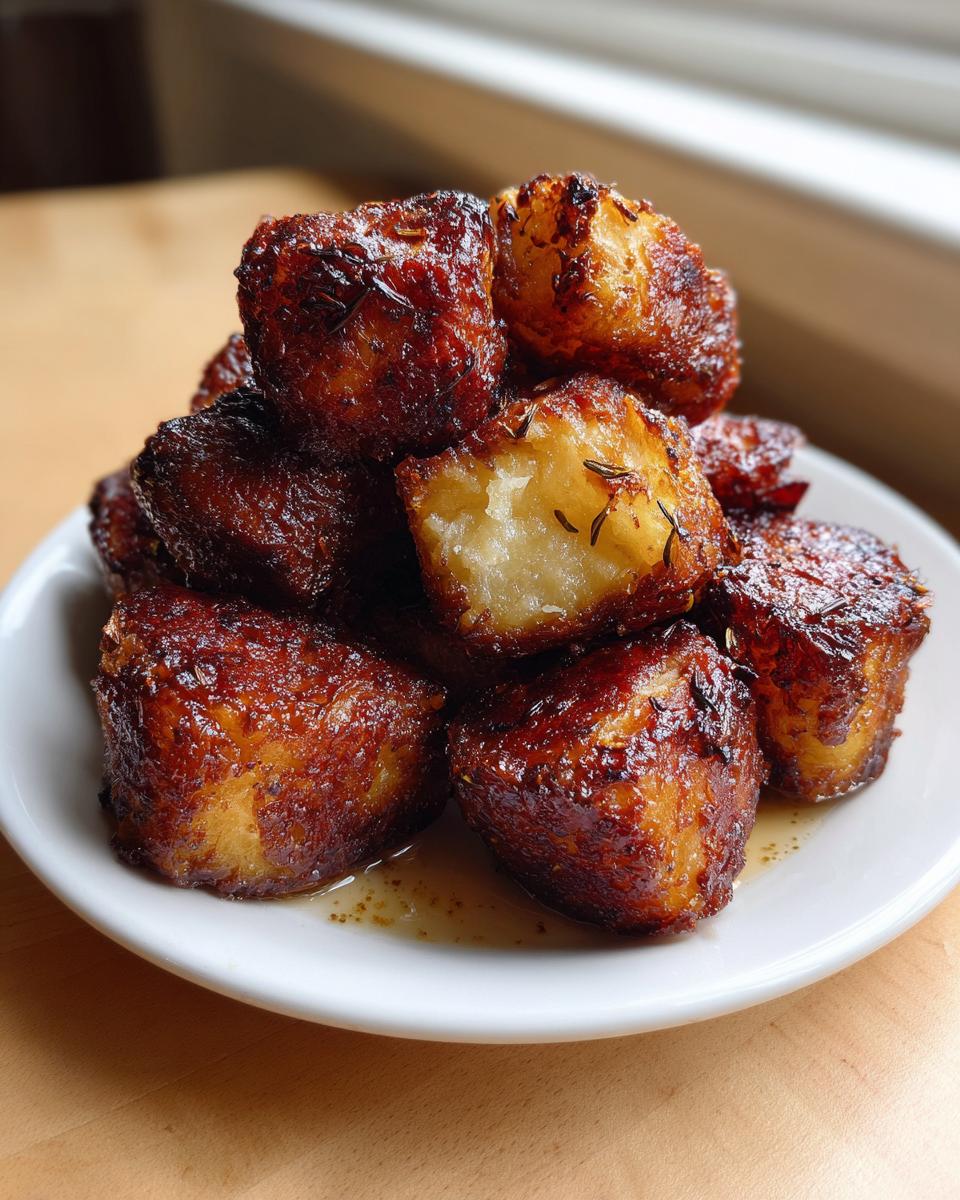
You’ve nailed the hard part—the shaking! Now we just need to make sure we don’t ruin that amazing, craggy texture in the final stretch. The biggest enemy of simple roasted potatoes is moisture. Remember that note about drying them out after boiling? That’s 90% of the battle won right there. If you see any standing water in the colander, just let them sit longer. Patience pays off hugely when you want that crunch.
Another trick I learned is preheating the pan itself. If you put your oiled potatoes onto a cold sheet pan, the lower surface can’t sear instantly, and boom—soggy bottom! I like to pop my baking sheet into the 425°F oven while the potatoes are boiling. When they’re ready for roasting, the fat hits that hot metal and instantly starts crisping the contact points.
If you’re keen on experimenting with other crispy cooking methods that keep the texture tight, you should check out my recipe for crispy zucchini fritters. It uses a similar principle of managing moisture to maximize crunch!
Flavor Variations for Garlic Herb Roasted Potatoes
The rosemary and thyme you are using are classic, and they give you those beautiful oven roasted potatoes, but sometimes you just need a little shake-up, right? I love playing with flavor right at the end. When you pull those potatoes out for the first flip—about halfway through cooking—that’s the perfect time to introduce something new.
If you are craving something salty and tangy, try sprinkling on about a half-cup of freshly grated Parmesan cheese during that first flip. Parmesan melts and toasts into these amazing little savory shards. It works brilliantly with the garlic powder we already have in there!
Another easy swap that really amps up the color and smokiness is adding a teaspoon of smoked paprika right along with your herbs before the first roast. It gives the potatoes a completely different profile that pairs beautifully with grilled meats. Remember, the foundation is solid, so the flavor additions are just fun extras! If you’re looking for other surprisingly flavorful main dishes, I recently mastered a killer almond butter tofu.
If you want even more inspiration on achieving amazing roasted flavors, check out the deep dive on simple roasted potatoes linked here—they have some great ideas, too!
Serving Suggestions for Your Easy Roasted Potato Side Dish
Honestly, once I perfected these oven roasted potatoes, they stopped being just a side dish and started being the main reason I cooked dinner! They are truly the best easy roasted potato side dish because they go with absolutely everything. For a weeknight win, I always pair them with my absolute favorite golden roasted chicken; the crispy potatoes soak up all those wonderful pan juices.
If you’re making a big holiday meal, these stand up perfectly next to ham or a big prime rib—they won’t get overshadowed. But I have to tell you, after that road trip where I discovered cooking, the best pairing I ever had was simple grilled steak with these potatoes piled high, served under the stars in New Mexico. Total game-changer. Keep them warm, because they disappear fast!
Storage and Reheating Instructions for Leftover Oven Roasted Potatoes
Even though these potatoes rarely last past dinner, life happens! If you do have any magnificent leftovers, we need to treat them right so they don’t turn into sad, mushy things. Stash them in an airtight container—make sure they are completely cooled down first—and keep them in the fridge for up to three days.
The microwave is the absolute enemy here because it guarantees sogginess. To bring back that glorious crisp, give them 10 minutes in a 400°F oven or, even better, drop them in your air fryer for about 5 to 7 minutes. They will be just as crunchy as the day you made them! That’s how you respect the work we put into getting them perfect the first time.
Frequently Asked Questions About Crispy Roast Potatoes
I get so many questions about these potatoes—which is a great sign, honestly, because it means you all want that perfect crunch! Dealing with high-heat roasting can be tricky, so let’s nail down the final details here to make sure your oven roasted potatoes are flawless night after night. It’s all about technique, not magic.
Can I use different potatoes for these oven roasted potatoes?
Yes, you absolutely can look around your pantry! Russets are still my top pick because they are so starchy; when you shake them, they develop that gorgeous, craggy exterior that turns impossibly crispy when roasted. Yukon Golds are my second favorite because they are a bit waxier, meaning they hold their structural shape a little better, giving you a great middle ground between fluffy and firm. Waxy potatoes like red potatoes tend to stay too dense and don’t fluff up as nicely inside, so I usually save those for potato salads, not for making the best oven roasted potatoes recipe.
What is the best oil substitute if I cannot use duck fat?
If duck fat is out of the question, don’t panic! The key here is using a fat that has a high smoke point so it doesn’t burn off before the potatoes are done roasting at 425°F. My absolute favorite substitute would be beef tallow—it adds a subtle savory note that’s incredible. If you prefer something neutral, good quality avocado oil is fantastic. The absolute critical part, though, is ensuring that whatever fat you use is warm or even slightly hot when you pour it over those shaken-up potatoes. That initial heat transfer is what kicks off that crispy sear right away!
How do I ensure my potatoes stay fluffy inside crispy outside potatoes?
This is the golden question, and it all comes down to two non-negotiable moments that we covered in the main instructions. First, you must let them steam dry for at least five minutes after draining the boil water. Second, and this is the one people skip because it seems aggressive: you need to shake that pot vigorously until those edges are visibly roughed up! That rough texture is literally the scaffolding for the crust. Finally, keep that oven hot—425°F is your friend. High heat seals the outside while the inside steam converts to airy fluffiness. Follow those three rules, and you’ll nail the fluffy inside crispy outside potatoes every time.
If you have any other burning questions about roasting or need some more guidance, please don’t hesitate to reach out via my contact page. I love hearing from home cooks!
Nutritional Estimates for Oven Roasted Potatoes
I know some of you are watching macros, and even though these are decadent due to the wonderful duck fat, I want you to have a general idea of what you’re diving into! When I was developing these recipes to ensure they were truly satisfying comfort food, I ran calorie and nutrient estimates for our standard serving size. Remember, these are based on the recipe proportions listed (using average Yukon Gold potatoes and duck fat).
Because we are using a rich fat source and coarse salt, the numbers reflect that indulgence, but that’s what makes them taste so darn good! Keep in mind that if you swap the duck fat for olive oil, or if you load up on extra herbs instead of salt, those numbers will shift.
- Serving Size: 1 serving
- Calories: 350
- Fat: 22g
- Saturated Fat: 8g
- Carbohydrates: 35g
- Protein: 5g
- Sugar: 2g
- Fiber: 4g
A quick note for full transparency, which is important for E-E-A-T: These are estimates only! The exact sodium and fat content will vary based on the specific cut of duck fat you use, the exact salt measurements, and the variety of potato. But hey, they are totally worth the calories for that crispy exterior!
PrintUltimate Crispy Oven Roasted Potatoes: Fluffy Inside, Golden Outside
Learn the secret to making the best oven roasted potatoes that achieve a perfectly crisp, golden exterior and a soft, fluffy interior every time. This simple recipe is ideal for weeknight dinners or holiday feasts.
- Prep Time: 15 min
- Cook Time: 45 min
- Total Time: 60 min
- Yield: 6 servings 1x
- Category: Side Dish
- Method: Baking
- Cuisine: American
- Diet: Vegetarian
Ingredients
- 3 lbs Russet or Yukon Gold potatoes, peeled and cut into 1.5-inch chunks
- 1/2 cup duck fat or high-heat oil (like avocado oil)
- 2 teaspoons coarse sea salt
- 1 teaspoon black pepper
- 1 teaspoon garlic powder
- 1 teaspoon dried rosemary
- 4 sprigs fresh thyme
Instructions
- Preheat your oven to 425°F (220°C). Place the cut potatoes in a large pot and cover them with cold water. Add 1 tablespoon of salt to the water.
- Bring the water to a boil over high heat. Boil the potatoes for 8 to 10 minutes until the edges begin to soften slightly. You want them tender but not falling apart.
- Drain the potatoes completely in a colander. Let them steam dry for 5 minutes.
- Place the drained potatoes back into the empty, dry pot. Cover the pot and shake it vigorously for about 30 seconds. This action roughs up the edges, creating the surface area needed for maximum crispiness.
- In a small saucepan, gently melt the duck fat or heat the oil over low heat. Pour the melted fat/oil over the roughed-up potatoes.
- Add the sea salt, pepper, garlic powder, and dried rosemary to the pot. Gently toss the potatoes until they are evenly coated with the fat and seasonings.
- Spread the seasoned potatoes in a single layer on a large, heavy-duty baking sheet. Do not overcrowd the pan; use two sheets if necessary. Place 2 sprigs of fresh thyme on each sheet.
- Roast for 20 minutes. Remove the pan from the oven and use a spatula to flip the potatoes.
- Return to the oven and roast for another 20 to 25 minutes, or until the potatoes are deep golden brown and extremely crispy.
- Remove from the oven and serve immediately as your perfect side dish.
Notes
- For the ultimate crisp, ensure the potatoes are completely dry before adding the fat. Excess moisture creates steam, leading to soggy potatoes.
- Do not skip the step of shaking the potatoes after draining; this creates the necessary rough texture for a crunchy crust.
- If you do not have duck fat, use beef tallow or a neutral oil with a high smoke point.
Nutrition
- Serving Size: 1 serving
- Calories: 350
- Sugar: 2
- Sodium: 450
- Fat: 22
- Saturated Fat: 8
- Unsaturated Fat: 14
- Trans Fat: 0
- Carbohydrates: 35
- Fiber: 4
- Protein: 5
- Cholesterol: 25