
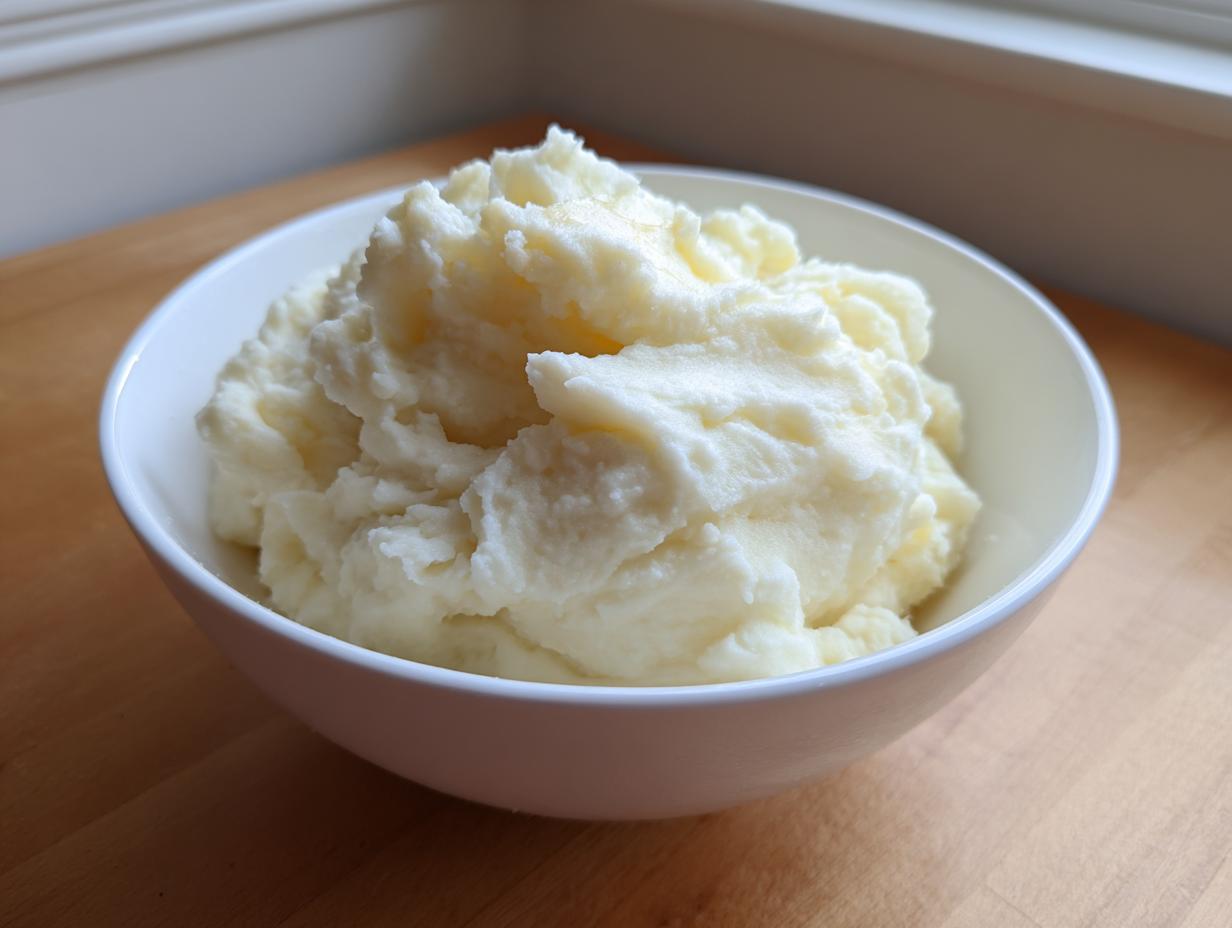

There are dishes that feed the body, and then there are those rare, perfect creations that actually nourish the soul. For me, that dish has always been mashed potatoes. Forget every lumpy, watery, or bland serving you’ve ever endured! When I finally left my corporate life behind to chase true flavor, perfecting this staple became my mission. That journey, detailed a bit more on my About page, taught me that the difference between good and unforgettable lies entirely in technique.
Today, I’m handing over the blueprint for what I call the Ultimate Buttery and Ultra-Creamy Mashed Potatoes. We aren’t just making a side here; we are creating an experience—a ridiculously rich, silky standard against which all future potato preparations will be judged. Trust me, these are reliable, deeply satisfying, and shockingly easy once you know the hidden steps.
- Why This Is Your New Favorite Creamy Mashed Potatoes Recipe
- The Essential Ingredients for Creamy Mashed Potatoes
- Foolproof Mashed Potatoes: Step-by-Step Instructions
- Tips for Perfect Potato Texture and Rich and Flavorful Potatoes
- Variations for Gourmet Mashed Potatoes Side Dishes
- Make-Ahead and Storage for Your Creamy Mashed Potatoes
- Frequently Asked Questions About Creamy Mashed Potatoes
- Serving Suggestions for This Ultimate Comfort Food Side
- Quick Nutritional Estimates for Your Creamy Mashed Potatoes
Why This Is Your New Favorite Creamy Mashed Potatoes Recipe
I know, I know. Everyone claims to have the “Best Creamy Mashed Potatoes Recipe,” but bear with me. This isn’t about fancy additions or obscure ingredients; it’s about mastering the *technique* so you get that magnificent, cloud-like result every single time. I spent months perfecting this until I could whip up Ultra Creamy Potatoes without thinking twice, even on a hectic holiday evening. Here is what makes this method unbeatable for achieving that Perfect Potato Texture:
- Remarkably Silky Texture: We use specific methods to manage starch—no gluey pitfalls here! These potatoes are light, fluffy, and utterly smooth, feeling decadent on the fork.
- Unmatched Buttery Flavor: We incorporate a generous amount of unsalted butter and warm cream, ensuring every spoonful is rich, velvety, and deeply satisfying. It’s the Ultimate Comfort Food Side you dream about.
- It’s Totally Foolproof: I’ve designed these steps so that even if you’re new to cooking, you’ll end up with stunning results. Trust me, the emphasis on drying the potatoes makes all the difference!
- Versatile Base: While perfect on their own, this foundation is ideal for adding flair later, from garlic infusions to a touch of sharp Parmesan. They are ready for any occasion, weeknight or holiday.
The Essential Ingredients for Creamy Mashed Potatoes
When we aim for that restaurant-quality, creamy mashed potatoes experience at home, the ingredients list needs clarity and purpose. There’s no room for substitutions on the core components here because we’re building structure and flavor simultaneously. I’ve listed the exact amounts for about six generous servings, but honestly, you can easily double this for a big crowd!
See that list on the recipe card? Notice how everything is specific? That precision builds trust and ensures reliability in your cooking. Most importantly, and this is a huge moment for your final texture, we are NOT using cold dairy. Cold milk or cream drops the temperature of the potatoes the moment it hits them, making them gummy. We warm everything gently first. It’s a small step that changes everything for achieving smooth homemade mashed potatoes.
Potato Selection for Ultra Creamy Potatoes
If you walk down the potato aisle and grab those waxy, red-skinned types, you’re setting yourself up for a battle against glue. For potatoes that break down beautifully into fluffy clouds, you absolutely need high-starch varieties. I insist on Russets here. They have that dry, flaky quality that absorbs the butter and cream perfectly, leading to that perfect potato texture.
Yukon Golds are my second choice if you want something slightly richer and naturally buttery, but for the purest, fluffiest result, Russets are the champions. Always boil them cut into even quarters so they cook uniformly. Nobody wants creamy centers next to rock-hard bites, right?
Foolproof Mashed Potatoes: Step-by-Step Instructions
Okay, this is where the magic truly happens. We move from ingredients to action, and I need you to trust the process here. We are avoiding the classic pitfalls—watery potatoes and that dreaded gluey texture—by focusing on moisture control before we even think about the mixer. If you want those divine, fluffy mashed potatoes, pay close attention to the drying phase. For a deep dive into chef techniques, you can always check out how masters like Gordon Ramsay approach this challenge, which shows similar principles.
Cooking and Drying the Potatoes for Creamy Mashed Potatoes
First things first: always start your potatoes in cold water, seasoned generously with salt. This ensures they cook evenly throughout, not just on the outside. Once they boil, let them simmer gently until a fork slides right through with zero resistance—usually about 15 to 20 minutes. Drain them violently well in a colander! Then, here’s the move that changes everything: pour those drained potatoes back into the warm, empty pot. Place that pot back on the lowest heat for just one minute, shaking gently. You’re essentially letting all that excess surface steam evaporate. I cannot stress this enough; this little drying trick is the key to avoiding thin, watery results later on.
Mashing Technique for Silky Homemade Mashed Potatoes
Once they are dry, pull the pot off the heat immediately. Now, drop in all that cold butter—it’s okay if the butter isn’t melted yet. Mash it lightly until the butter is mostly gone and the potatoes look chunky but creamy, like coarse sand. This is the only time you really mash aggressively. Next, slowly drizzle in that warm milk and cream mixture while you switch to folding the mixture with a wooden spoon or using a potato masher gently. We stop mixing the *second* they look cohesive and smooth. If you keep going, you’re developing starch, and that’s what turns your beautiful side into wallpaper paste. Stop early! A few gentle stirs to incorporate that last bit of seasoning, and you’re done creating that silky homemade mashed potatoes perfection. For more ways to handle starch like a pro, check out my tips on avoiding texture issues in starches.
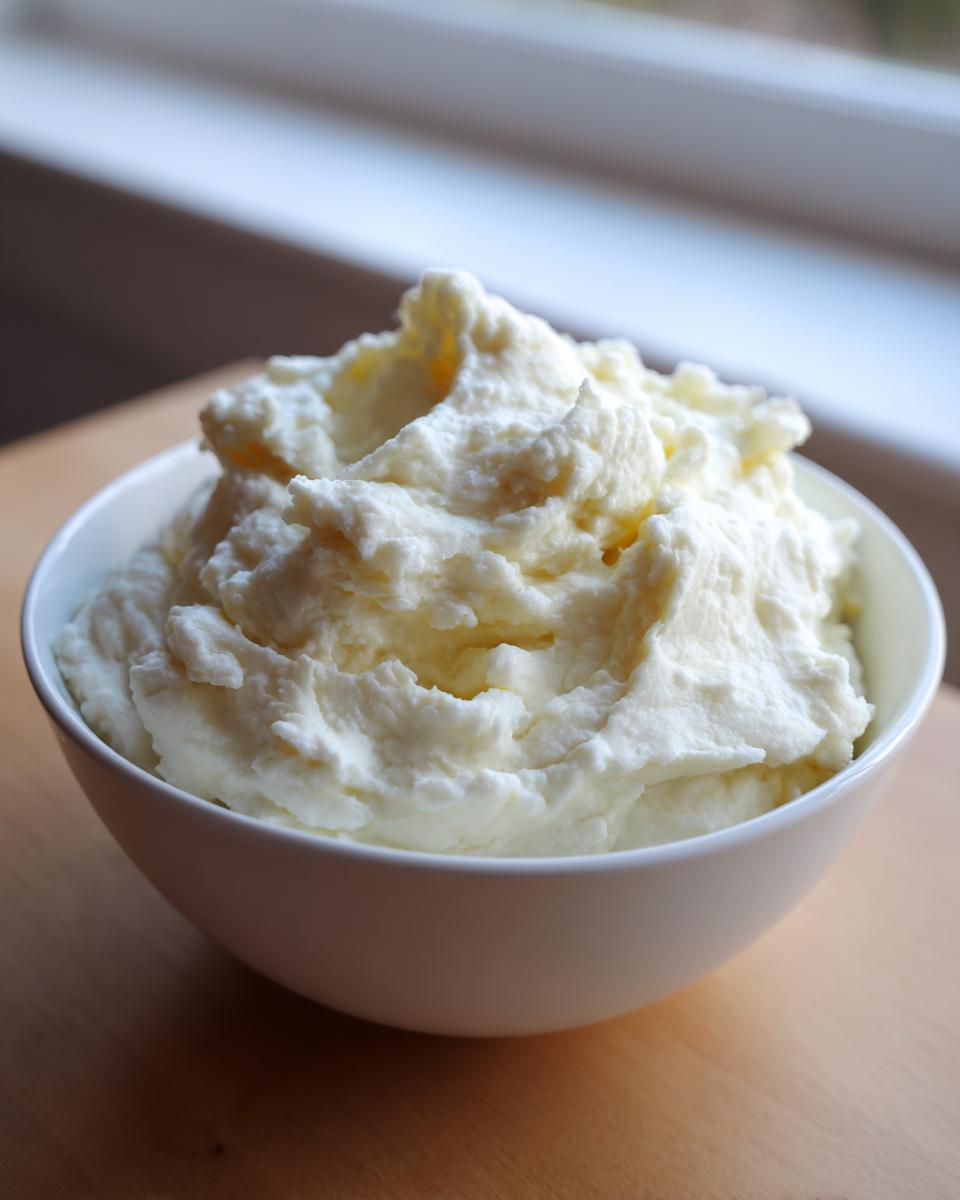
Tips for Perfect Potato Texture and Rich and Flavorful Potatoes
When I first started experimenting, I thought the goal was just to smash everything together until it looked vaguely like a cloud. Oh, the sadness! I remember one Thanksgiving where I got so enthusiastic with my electric hand mixer that my potatoes turned into a thick, slightly gray, unusable glue. It was humbling, to say the least. That mistake taught me the value of these precise steps for developing what I now call the Silky Mashed Potato Technique.
The warming of the dairy is non-negotiable, folks. It’s the secret weapon for achieving truly rich and flavorful potatoes without shocking the starch structure. If you try to fold in cold cream or milk, you are fighting a losing battle against temperature transfer, and that equals lumps or gumminess.
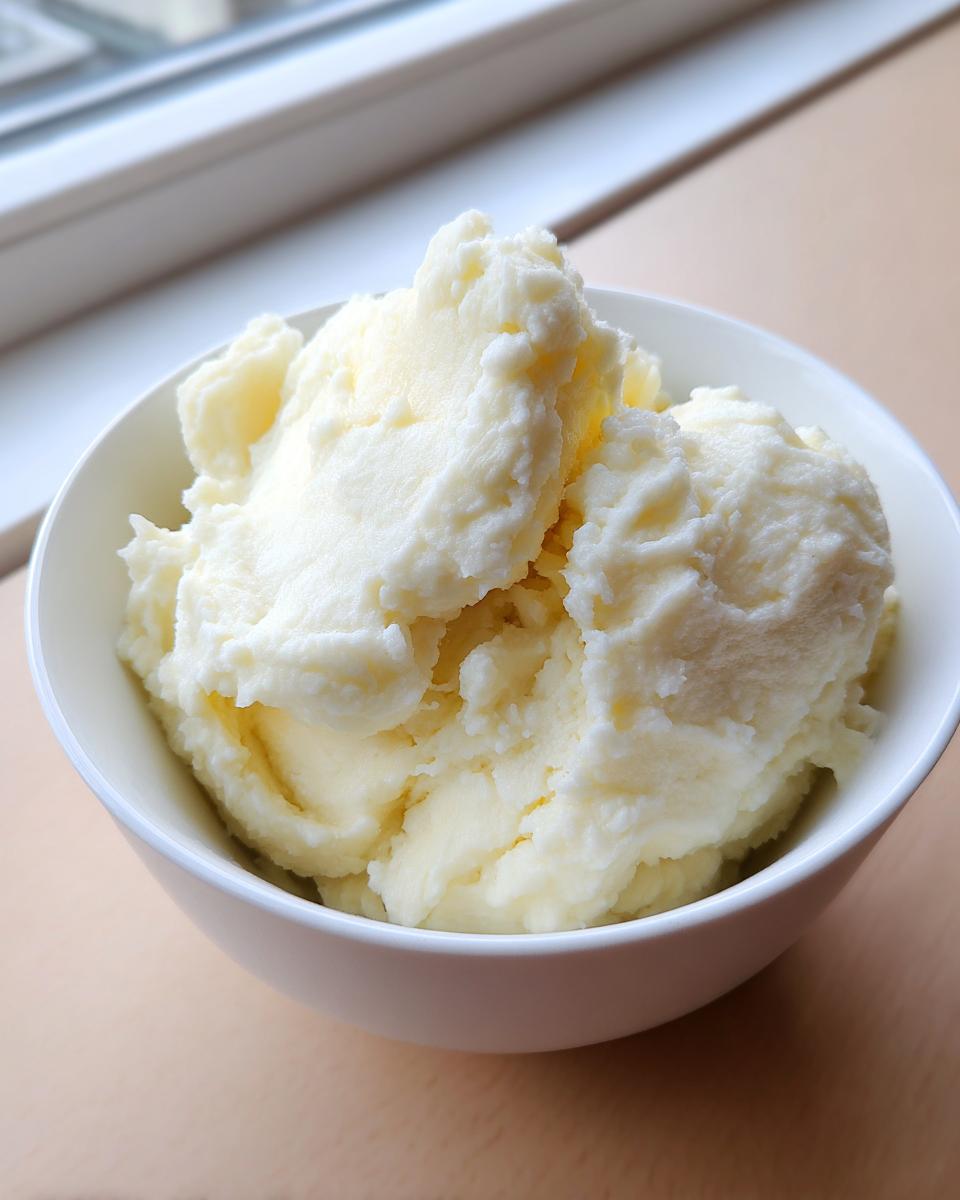
If you are serious about achieving the most elegant, restaurant-quality texture for your buttery potato side dish, investing in a potato ricer is worth its weight in gold. Yes, it’s another gadget, but forcing the cooked potato through the small holes shreds the flesh perfectly without overworking the starch cells, guaranteeing fluffiness.
Here are the three pillars I rely on for velvety smooth results every time:
- Dairy Temperature is King: Always gently warm your milk and heavy cream until they are steaming, but absolutely do not let them boil. This keeps the temperature consistent as you fold in your liquids.
- Season in Layers: Don’t just season at the end! Salt your boiling water heavily—it seasons the potato from the inside out. Then, be sure to check the final seasoning after you’ve added the butter and cream, as they dilute the initial saltiness.
- Stop Before You Think You Should: This is the hardest part. As soon as the potatoes look cohesive—no large dry chunks left, but maybe still slightly uneven—stop stirring! They will settle and smooth out perfectly on the plate, but if you keep beating them, they seize up.
Speaking of technique, if you want to see how other culinary heroes tackle this comfort food staple, I always encourage checking out respected sources. I found Mary from The Kitchn had some fantastic insights when comparing different popular methods, which really solidified my belief in the ‘dry-first’ rule.
If you’re looking to pair this incredible side with something equally stunning, make sure you check out my recipe for Parmesan Roasted Broccoli with Crispy Garlic—the crunch factor contrasts beautifully against the smooth potatoes!
Variations for Gourmet Mashed Potatoes Side Dishes
While my ultimate version is designed to stand alone as the peak of comfort food, I absolutely believe in making a recipe your own. The base for these creamy mashed potatoes is so reliable that it begs for little flavor additions, turning it into a true gourmet side dish instantly. You can easily customize this recipe based on what you have in the fridge or what main course you’re serving.
Don’t feel constrained by tradition! These simple swaps make your potatoes feel special enough for a weekend dinner but fast enough for Tuesday night. They all keep that signature velvety texture, so don’t worry about wrecking the smoothness we worked so hard to achieve.
Roasted Garlic Infusion
If you have time to roast a head of garlic while your potatoes are simmering, do it! Roasting mellows out the sharp bite of garlic, turning it sweet, earthy, and jammy. Once the cloves are soft, just squeeze the paste right out of the skin into the warm milk and cream mixture before adding it to the potatoes.
This adds unbelievable depth without any extra mashing effort—it just melts right in. It transforms the dish into something wonderfully aromatic, perfect for pairing with a roast.
The Parmesan Kick
For those who love a little salty, nutty bite, Parmesan is your answer. When you fold in the salt and pepper at the very end (Step 7), gently stir in about a half cup of finely grated Parmigiano-Reggiano cheese. Use the real stuff, please; the finely grated powder melts so much smoother than block cheese cut on a box grater.
This variation leans nicely into what I call a more ‘grown-up’ side. If you enjoy that cheesy goodness, you might also love my recipe for Baked Parmesan Zucchini—it shares that same sharp, savory profile!
Green Herb Finish
Sometimes you just need a pop of freshness to cut through all that richness. Finely chopped fresh herbs stirred in right at the very end—after all mixing is done—are fantastic. I usually go with a combination of chives and parsley. They offer color, brightness, and a clean finish.
Be careful with herbs like rosemary or thyme here; they can be too overpowering unless you infuse them into the warm milk beforehand. For simple, fresh flavor, stick to the soft herbs stirred in raw at the last minute. It’s a bright, beautiful touch for any plate!
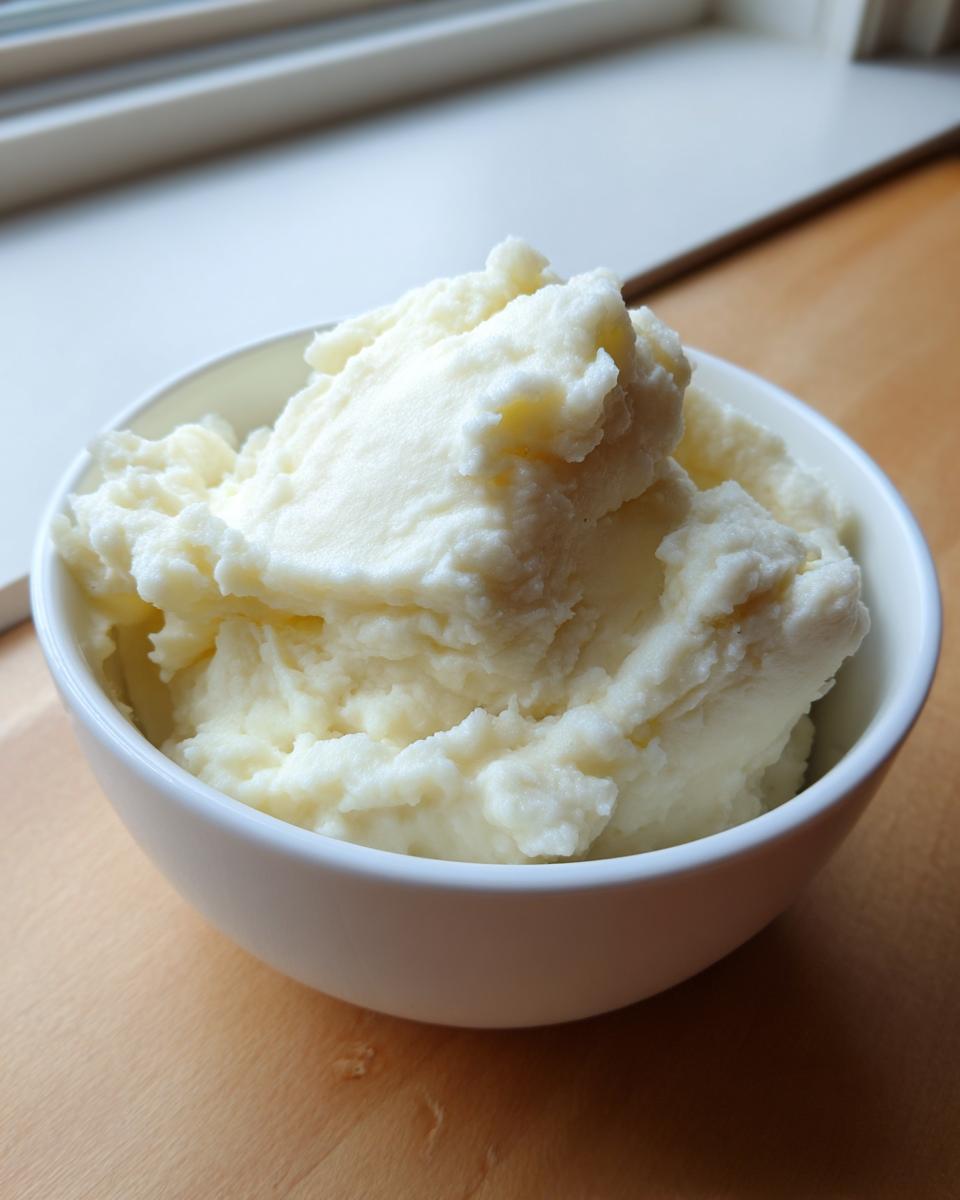
Make-Ahead and Storage for Your Creamy Mashed Potatoes
I know the stress of holiday cooking; you can’t just whip up every single side dish when the turkey comes out of the oven, can you? That’s why I love that this recipe has built-in flexibility for making things ahead. You absolutely can prepare these potatoes in advance, but you have to respect the dairy and starch interaction if you want that lovely texture back when you reheat them.
The source notes mention the make-ahead potential, and I’ve tested this timing several times to ensure you don’t end up with a solid block for leftovers. The key here is stopping right before you add the final liquids, or by reheating very, very gently.
Preparing Ahead of Time (Stopping Before Cream)
If you are planning a massive Thanksgiving spread, aim to stop right after Step 6—that is, after you’ve mashed the potatoes with the butter and they are sitting warm, but *before* you incorporate the milk and heavy cream. At this point, the butter is mostly incorporated, and the potato structure is holding its shape.
Cover the pot tightly, let it cool down on the counter, and then get it into the fridge within two hours. You want to keep them cool to prevent any food safety issues, especially when dealing with all that butter. This keeps them stable for about two days in the refrigerator.
The Best Way to Reheat for Silky Smoothness
Reheating is where most people ruin their advance work. Do not, I repeat, DO NOT microwave the entire pot of potatoes at full blast! That high, dry heat will dry them out faster than you can say, “Where’s the gravy?”
Instead, you need a gentle, slow revival. Transfer the chilled potatoes to a heavy-bottomed pot or, even better, use a slow cooker set to LOW. Now, you’ll gently fold in a splash of fresh, warm milk or heavy cream—just enough to loosen them up again. Stir slowly and patiently over low heat until they are heated through evenly. It might take 20 or 30 minutes, but the result is that creamy texture restored, not destroyed.
If you do end up with leftovers that are a little stiff the next day, don’t panic. Treat them like a fresh batch: add warm dairy and mash gently. Sometimes the leftovers are even better because the flavors have had time to mingle! If you are looking for another fantastic make-ahead side, check out my recipe for Creamy Chicken and Pearl Couscous Soup—great for using up all that cooking energy!
Frequently Asked Questions About Creamy Mashed Potatoes
I always get questions when people try this recipe for the first time, which is wonderful because it means they are invested in getting that perfect potato texture! It’s natural to wonder about technique when striving for that ultimate cloud-like consistency. Here are the biggest things people ask me when aiming for the best creamy mashed potatoes recipe.
What is the best potato for creamy mashed potatoes?
Hands down, for that truly ethereal, creamy result, you want high-starch potatoes. I rely on Russets every single time because their high starch content breaks down beautifully when cooked, yielding that fluffy, light mash we love. If you must substitute, Yukon Golds are fine, but they lean slightly naturally yellow and buttery without getting quite as airy as a Russet. Keep away from waxy potatoes like new potatoes or reds if your goal is smooth, lump-free potatoes!
How do I stop my mashed potatoes from being gluey?
This is the number one texture disaster! Gluey potatoes happen when you overwork the starch in the potato cells. My three main rules combat this: first, dry your potatoes thoroughly after draining them (remember that minute over low heat!). Second, add only warm dairy, never cold. And third, and this is key: stop mixing the second the potatoes look mostly smooth! A few lumps are better than tough, sticky potatoes. Patience beats mechanical action here.
Can I use a mixer for creamy mashed potatoes?
Technically, yes, you can. However, I strongly advise against using a stand mixer or an electric hand mixer for the main mashing and mixing process. These tools are simply too powerful and make it incredibly easy to overmix, turning your dish into that sad, gluey mess I warned you about. If you absolutely must use one, use the lowest speed possible and only for the final 20 seconds after the liquids are added. For true smooth homemade mashed potatoes, stick to a hand masher for the initial butter incorporation and a wooden spoon for folding in the liquids.
How to make this a Quick Mashed Potatoes Dinner Idea?
While my ultimate recipe emphasizes technique which adds a few minutes, you can absolutely streamline this for a quick mashed potatoes dinner idea on a weeknight! The key is prep efficiency. Peel and quarter your potatoes while your water comes to a boil, which cuts down on waiting time. By keeping the dairy warming on the stove while the potatoes cook, you minimize the downtime between draining and mixing. If you stick strictly to the steps without pausing to chat or make a phone call, you can have these on the table in about 35 minutes. Serve them alongside a simple protein like a quick pan-seared chicken breast—perhaps my lemon Chicken Piccata—for an easy, satisfying dinner.
Serving Suggestions for This Ultimate Comfort Food Side
These creamy mashed potatoes are designed to be the star of the show, or at least the very best supporting actor on your plate. That richness—that glorious, buttery weight—means they pair perfectly with main courses that are either simple enough not to compete or robust enough to stand up to this decadent starch.
When I first started cooking seriously, I often forgot that the side should *complement* the main dish, not fight it for attention. These potatoes are the definition of an Ultimate Comfort Food Side, so they shine brightest next to deeply satisfying meals.
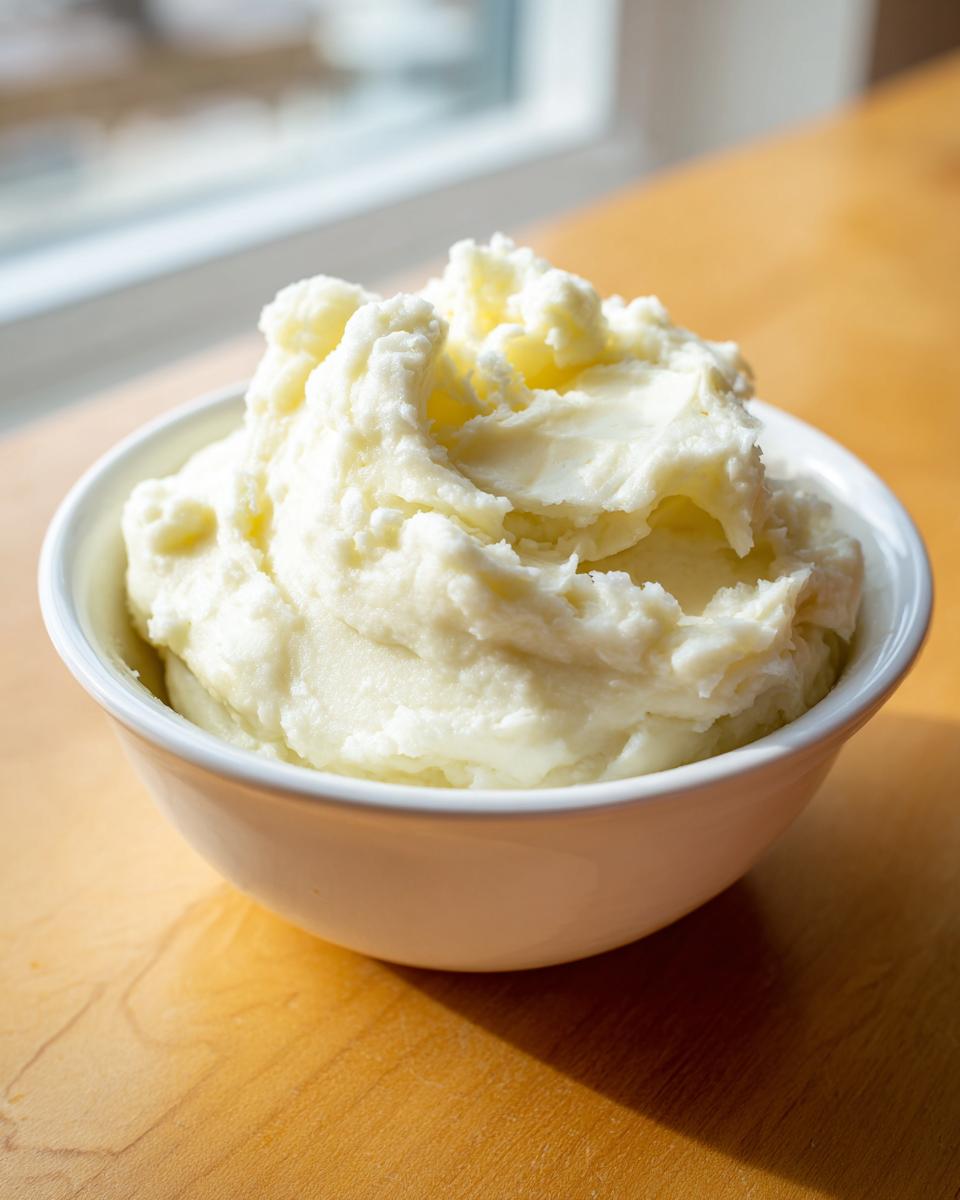
The Classic Holiday Harmony
Holidays demand this level of indulgence, and these potatoes are mandatory next to traditional roasts. Picture this: A beautifully browned turkey, maybe a crisp-skinned roast pork loin, or even a beautifully seasoned leg of lamb. The deep savoriness of the roasted meat, combined with the silky texture of the potatoes soaking up every drop of gravy? Honestly, it’s almost spiritual.
They also stand up perfectly to hearty holiday sauces and relishes. If you are serving something heavy like prime rib, you need this rich density underneath to give the whole plate balance.
Weeknight Pairing Perfection
Just because they are “ultimate” doesn’t mean they are reserved only for Thanksgiving! These potatoes make any boring weeknight soaringly better. For a simple but impressive dinner, I love serving them alongside something quickly pan-seared.
My favorite pairing for a quick meal is a simple, juicy pan-roasted chicken. If you want a recipe that brings the same level of quality to the main course, you have to try my recipe for Oven Roasted Chicken—the crisp skin contrasts so wonderfully with the smooth potatoes!
Vegetarian Centerpieces
Don’t let the meat-eaters have all the fun! These potatoes are rich enough to act as a perfect foundation for vegetarian mains, too. Think about serving a hearty portion next to a thick slice of homemade meatloaf made with mushrooms and lentils, or perhaps a dense, savory vegetable loaf.
A fantastic option is to serve them alongside hearty roasted root vegetables, like glazed carrots or Brussels sprouts, drizzled with balsamic. The potatoes catch all those wonderful roasted vegetable juices, creating a complete, soulful plate without needing a main protein at all!
Quick Nutritional Estimates for Your Creamy Mashed Potatoes
Since these are truly indulgent, buttery mashed potatoes, I always like to give a little heads-up on what we’re working with nutrition-wise. When I was first learning to stop ordering takeout and start cooking something *real*, I was shocked at how much dairy and fat can go into making something truly perfect!
The numbers below represent an estimate per serving based on the recipe outlined above. Keep in mind that for any dish involving butter and cream, these figures can wiggle around based on the specific brand of milk or the amount of sour cream you choose to add. This isn’t meant to be a diet food, this is pure, unadulterated comfort, meant to be enjoyed!
We are looking at rich flavor here, so expect a higher fat content, which is what gives these creamy mashed potatoes that incredible mouthfeel. These figures are based on dividing the recipe yielding 6 servings:
- Calories: ~320
- Fat: ~18g
- Saturated Fat: ~11g
- Carbohydrates: ~35g
- Protein: ~5g
- Sugar: ~3g
- Sodium: ~450mg
Please treat these figures as a helpful guide rather than gospel. If you swap whole milk for skim milk, your fat content drops significantly, as does your creaminess, which, let’s be honest, we don’t want! Ultimately, these are meant for special occasions or those days where your soul truly needs an ultimate comfort food side that tastes like a hug.
PrintThe Ultimate Ultra-Creamy Mashed Potatoes: A Foolproof Recipe
Discover the secrets to making the best creamy mashed potatoes. This recipe delivers a silky, buttery texture perfect for any dinner or holiday feast.
- Prep Time: 15 min
- Cook Time: 25 min
- Total Time: 40 min
- Yield: 6 servings 1x
- Category: Side Dish
- Method: Boiling and Mashing
- Cuisine: American
- Diet: Vegetarian
Ingredients
- 3 lbs Russet potatoes, peeled and quartered
- 1 cup Whole Milk, warmed
- 8 tablespoons Unsalted Butter, cut into pieces
- 1 teaspoon Kosher Salt, plus more for boiling water
- 1/2 teaspoon Black Pepper
- 1/4 cup Heavy Cream, warmed
- 2 tablespoons Sour Cream (optional, for extra tang)
Instructions
- Place the peeled and quartered potatoes in a large pot. Cover them with cold water by about one inch. Add 1 tablespoon of salt to the water.
- Bring the water to a boil over high heat. Reduce the heat to maintain a steady simmer. Cook for 15 to 20 minutes, or until the potatoes are completely tender when pierced with a fork.
- Drain the potatoes thoroughly in a colander. Let them sit for 5 minutes to allow excess steam to evaporate. This step helps prevent watery potatoes.
- Return the drained potatoes to the warm, empty pot. Place the pot over very low heat for 1 minute, gently shaking the pot to dry them out further. Remove from heat.
- Add the butter pieces to the hot potatoes. Mash them lightly with a potato masher until the butter is mostly incorporated. Do not overwork the potatoes at this stage.
- In a small saucepan, gently warm the milk and heavy cream together until just steaming. Do not boil.
- Gradually pour the warm milk mixture into the potatoes while gently mashing or stirring with a wooden spoon. Mix only until the potatoes are smooth and creamy. Overmixing develops starch and creates gluey potatoes.
- Stir in the salt, pepper, and optional sour cream until just combined. Taste and adjust seasoning as needed.
- Serve immediately for the best texture.
Notes
- Use Russet or Yukon Gold potatoes for the best fluffy and creamy results. Avoid waxy potatoes.
- Always warm your dairy (milk and cream) before adding it to the potatoes. Cold dairy lowers the temperature and makes the mashing process difficult.
- For an extra rich flavor, use a potato ricer instead of a masher after the initial mashing with butter.
- If you want a make-ahead option, prepare the potatoes through step 6, then stir in the dairy just before reheating. Reheat gently on the stovetop or in a slow cooker.
Nutrition
- Serving Size: 1 serving
- Calories: 320
- Sugar: 3
- Sodium: 450
- Fat: 18
- Saturated Fat: 11
- Unsaturated Fat: 7
- Trans Fat: 0.5
- Carbohydrates: 35
- Fiber: 4
- Protein: 5
- Cholesterol: 55