
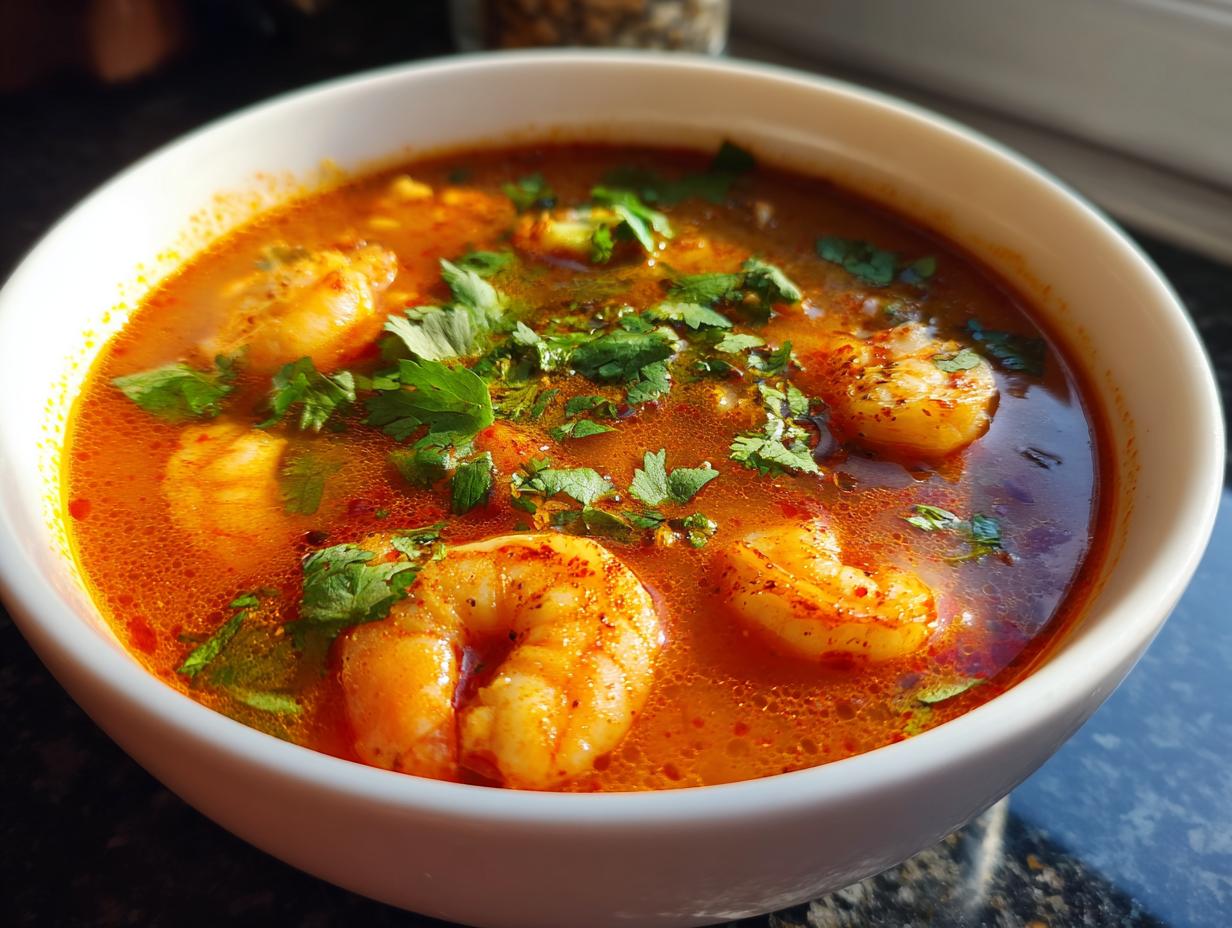

If your weeknight dinners have drifted into the land of the overwhelmingly bland, I know exactly how you feel. For years, my cooking felt like ticking boxes rather than crafting an experience. Then, I tasted real Thai food, and my culinary world completely flipped upside down! That journey to find truly authentic tastes led me straight to perfecting this recipe for tom yum soup. Forget everything you thought you knew about ‘easy’ soup; this is the secret weapon for delivering vibrant, restaurant-quality flavor right on your own stovetop. Trust me, this perfected recipe became one of the first dishes I mastered when I traded my suit for an apron, and it is now a non-negotiable staple for anyone craving that perfect hit of hot, sour, and deeply aromatic spice.
When you’re ready to transform your mealtime routine, you can explore some of my other favorite go-to dishes right here: Quick & Delicious Dinner Staples.
- Why This Authentic Tom Yum Soup Recipe Delivers Restaurant Quality Flavor
- Essential Ingredients for Authentic Tom Yum Soup
- How to Make Shrimp Tom Yum Soup at Home: Step-by-Step
- Tips for Success When Preparing Tom Yum Soup
- Variations: Making Tom Yum Soup with Chicken or Vegan Options
- Serving Suggestions for Your Spicy Sour Soup
- Storage and Reheating Instructions for Homemade Tom Yum Soup
- Frequently Asked Questions About Tom Yum Soup
- Estimated Nutritional Data for This Aromatic Thai Soup
Why This Authentic Tom Yum Soup Recipe Delivers Restaurant Quality Flavor
When I first tried to recreate this soup, the flavor was just… flat. It was missing that electrifying zing! What I realized through lots of tasting (and a little research!) is that the magic isn’t hard; it’s just about layering those key Thai elements correctly. This recipe, which I’ve polished extensively since first stumbling upon it, ensures you get that complex, unforgettable profile every single time.
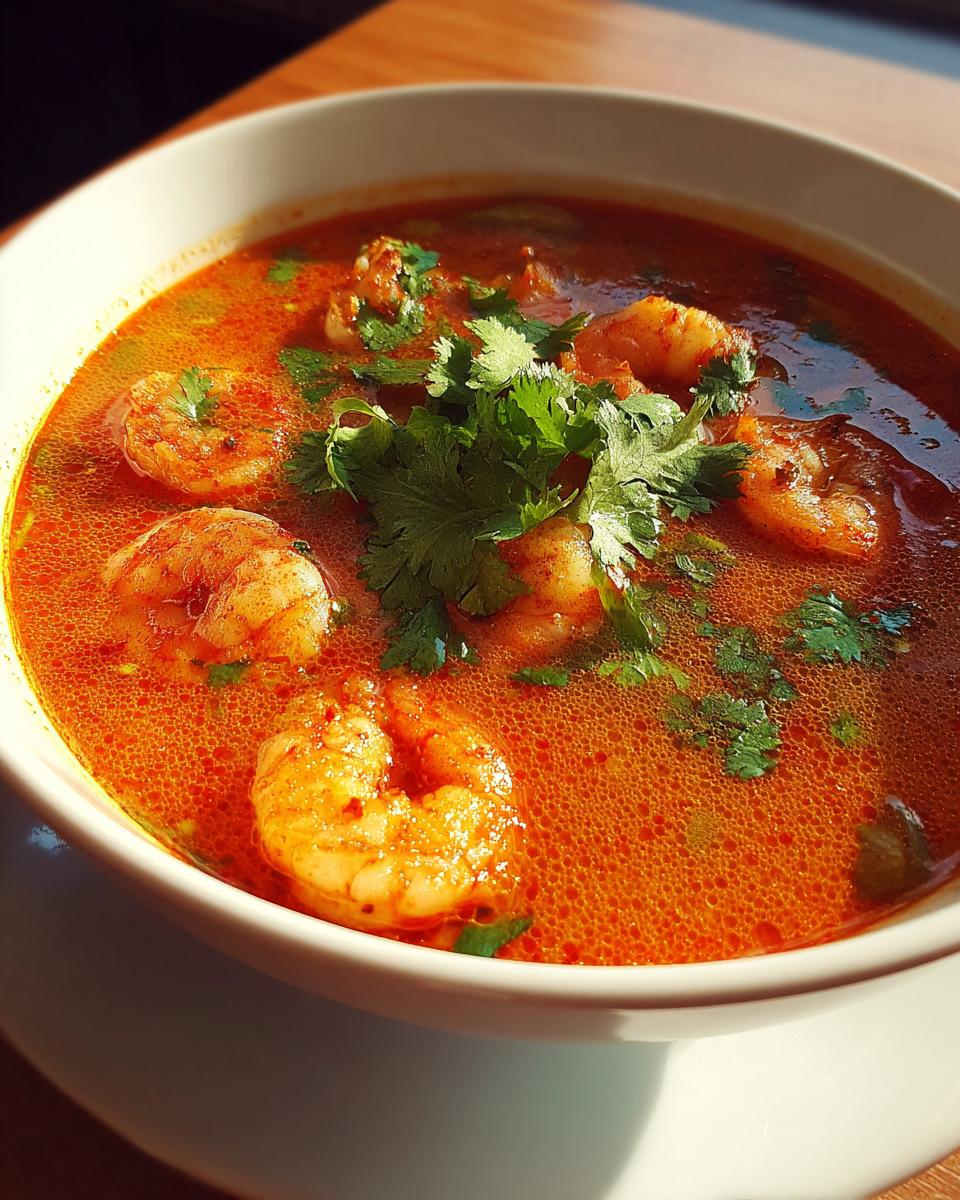
- It captures the essential holy trinity of Thai cooking: spicy, sour, and unbelievably fragrant.
- We use whole aromatics, not bottled flavor bombs, which makes all the difference.
- It works perfectly for a big night or a super fast Tuesday meal.
If you’re looking to dive deeper into the techniques that elevate home cooking, check out my latest thoughts on technique over at my recipe development archives.
Achieving the Perfect Hot and Sour Balance in Your Tom Yum Soup
This is where rookies lose the battle, but we won’t! The authentic spark comes from using both the tangy punch of fresh lime juice added right at the end, and the deep, slow heat provided by the Thai chili paste (Nam Prik Pao). We don’t just rely on fresh chilies; the paste adds sweetness and body to the sourness, making it deep rather than sharp. It takes precise tweaking, but you’ll nail it!
Quick Thai Soup Dinner Ready in Under 35 Minutes
Seriously, you can have this amazing, vibrant soup on the table faster than ordering takeout! From prepping the lemongrass to ladling that herbaceous broth, the estimated total time is just 35 minutes. It’s an ideal situation when you’re craving a flavorful meal but don’t have all evening to stand over the stove. That’s a huge win for a weeknight, if you ask me!
Essential Ingredients for Authentic Tom Yum Soup
Okay, this is where we play detective and pull out the big guns! To get that bright, fragrant punch that defines a truly authentic tom yum soup recipe, you cannot skimp on the fresh herbs. I keep lemongrass, galangal, and kaffir lime leaves religiously stocked because they are non-negotiable for the right aroma. We are aiming for that beautiful, clear, hot and sour broth, not a murky dish, so quality counts here.
Here’s the arsenal you need for four servings of perfection:
- 6 cups chicken or vegetable broth
- 1 pound large shrimp, peeled and deveined
- 1 stalk lemongrass, tough outer layers removed, cut into 2-inch pieces, lightly bruised
- 4 thin slices galangal (or ginger if galangal is unavailable)
- 4 kaffir lime leaves, torn in half
- 1 cup straw mushrooms, halved
- 2 tablespoons Thai chili paste (Nam Prik Pao)
- 2 tablespoons fish sauce
- 1/4 cup fresh lime juice
- 1-2 Thai chilies, sliced (adjust to your spice preference)
- 1/4 cup chopped cilantro, for garnish
My top expert tip for building flavor? If you have time before starting the main recipe steps, toss those peeled shrimp shells right into the broth when you start simmering the aromatics. Strain them out before adding the shrimp back in later. It gives you an incredible background seafood flavor that really elevates the whole dish.
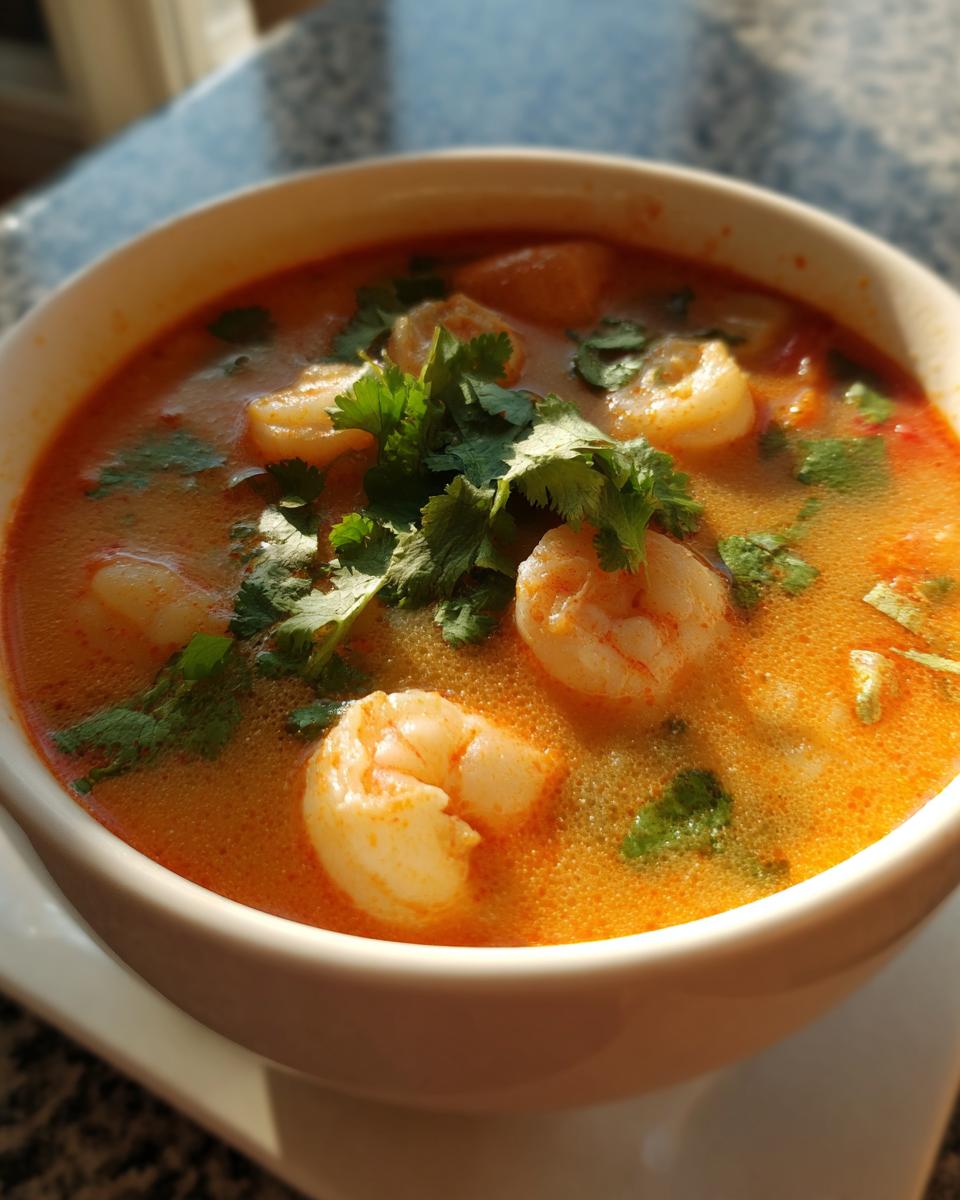
For other recipes that showcase shrimp beautifully, take a look at my Shrimp Orzo in Lemon Garlic Sauce!
Ingredient Notes and Substitutions for Your Tom Yum Soup
Listen, I understand that finding galangal or kaffir lime leaves can sometimes turn into a treasure hunt. If you absolutely cannot locate galangal, thin slices of ginger will step in, though you lose a slight peppery edge. For the kaffir lime leaves, using the zest of one lime is an acceptable trade, but honestly, the aroma won’t be quite the same—it’s worth seeking them out!
Also, remember that this recipe is for the classic clear broth style. If one day you crave that richer, creamier style—the Tom Yum Nam Khon? That’s simple! Just stir in about 1/4 cup of evaporated milk or coconut milk right after you turn the heat off. It’s a total game-changer for a different kind of comforting Asian soup experience.
How to Make Shrimp Tom Yum Soup at Home: Step-by-Step
Now for the fun part—turning those gorgeous ingredients into the actual Thai Hot and Sour Soup! Getting the steps in the right order here is key to ensuring those herbs release their flavor without burning or turning bitter. Don’t worry if your lemongrass looks like a giant stick; we just need to release those essential oils. When you follow these steps, you’ll see that deep, complex flavor building right before your eyes.
For more reliable cooking inspiration, make sure to check out my guide on Easy Baked Shrimp Toast!
Infusing the Broth: Building the Aromatic Thai Soup Base
First thing’s first: get that broth roaring! Bring your 6 cups of broth to a full, rolling boil in a large pot over medium-high heat. Once it’s boiling nicely, toss in your bruised lemongrass, galangal slices, and those torn kaffir lime leaves. Immediately reduce that heat down. We aren’t boiling them to death; we want a nice, gentle simmer for about 10 minutes. This slow infusion is what develops the deep, aromatic base for your homemade tom yum soup.
Finishing Your Flavorful Thai Soup
After that 10 minutes, drop in your straw mushrooms and let them go for about 3 minutes. Now, stir in the Thai chili paste until it completely dissolves—this is where the color and body come from. Next, add the shrimp. Watch them carefully! As soon as they turn that lovely pink, opaque color (that’s usually just 2 to 3 minutes, maximum), pull the entire pot right off the heat. This is crucial! Stir in your fish sauce and fresh lime juice *off* the heat to keep that lime bright. Taste it, adjust it until it sings hot and sour, stir in your fresh sliced Thai chilies, and you are done. Ladle it up immediately!
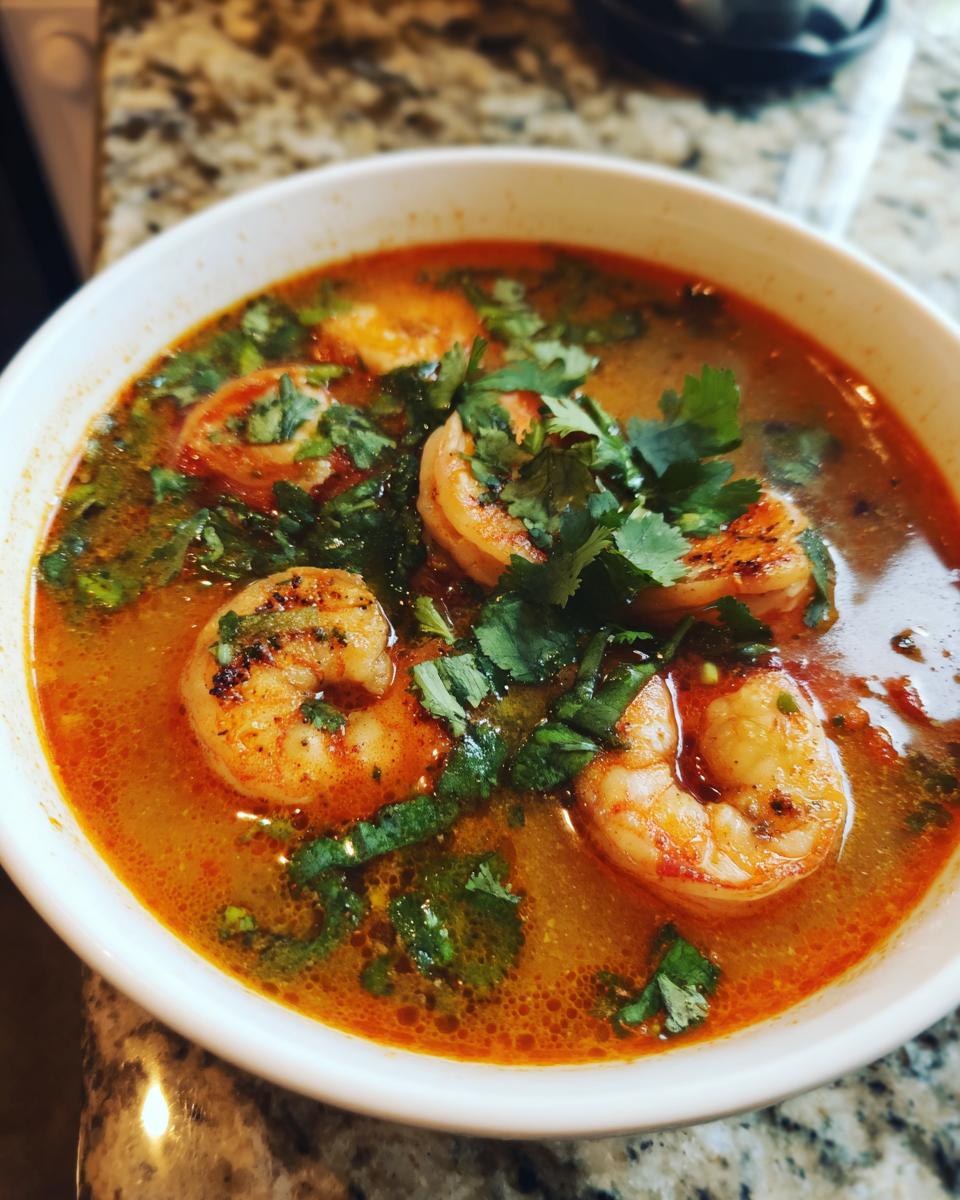
Tips for Success When Preparing Tom Yum Soup
Getting that restaurant-quality finish comes down to a few small details that seasoned cooks always pay attention to. Since we talked about the aromatics first, let’s focus on ensuring the final texture is perfect. My absolute biggest tip for making this a truly satisfying meal is the quality of your fish sauce—don’t grab the cheapest bottle you see! A good quality fish sauce means better salty depth, which balances the lime better.
Also, remember that layering we discussed? Never skip that final taste test *after* adding the lime juice. That moment right before serving is your last chance to dial in that perfect spicy sour soup experience. If you need ideas for complementary side dishes, I’ve got a great recipe for a light, tangy side like my Marinated Tuna Steak Marinade that works surprisingly well alongside the soup!
Variations: Making Tom Yum Soup with Chicken or Vegan Options
I get asked all the time if this recipe is strictly for shrimp. Absolutely not! One of the reasons this tom yum soup is so versatile is that you can swap out the protein easily. If you prefer chicken, just use boneless, skinless chicken breast or thigh, cut into bite-sized pieces. You’ll need to adjust your cooking time slightly; make sure you simmer those chicken pieces for a good 8 to 10 minutes after adding them to the broth so they cook all the way through before you take it off the heat. Nobody wants undercooked poultry in their spicy sour soup!
Now, for those following a plant-based diet, creating a fantastic Vegan Tom Yum Soup is totally achievable. The key is swapping out the animal products carefully. Use a really savory vegetable broth as your base, naturally. Then, you need a good substitute for the fish sauce. Most people have great luck using high-quality soy sauce or a dedicated vegan fish sauce substitute if you can find one. Tofu cubes work wonderfully, especially if you sear them slightly first, or you can load it up with extra mushrooms and vegetables for texture.
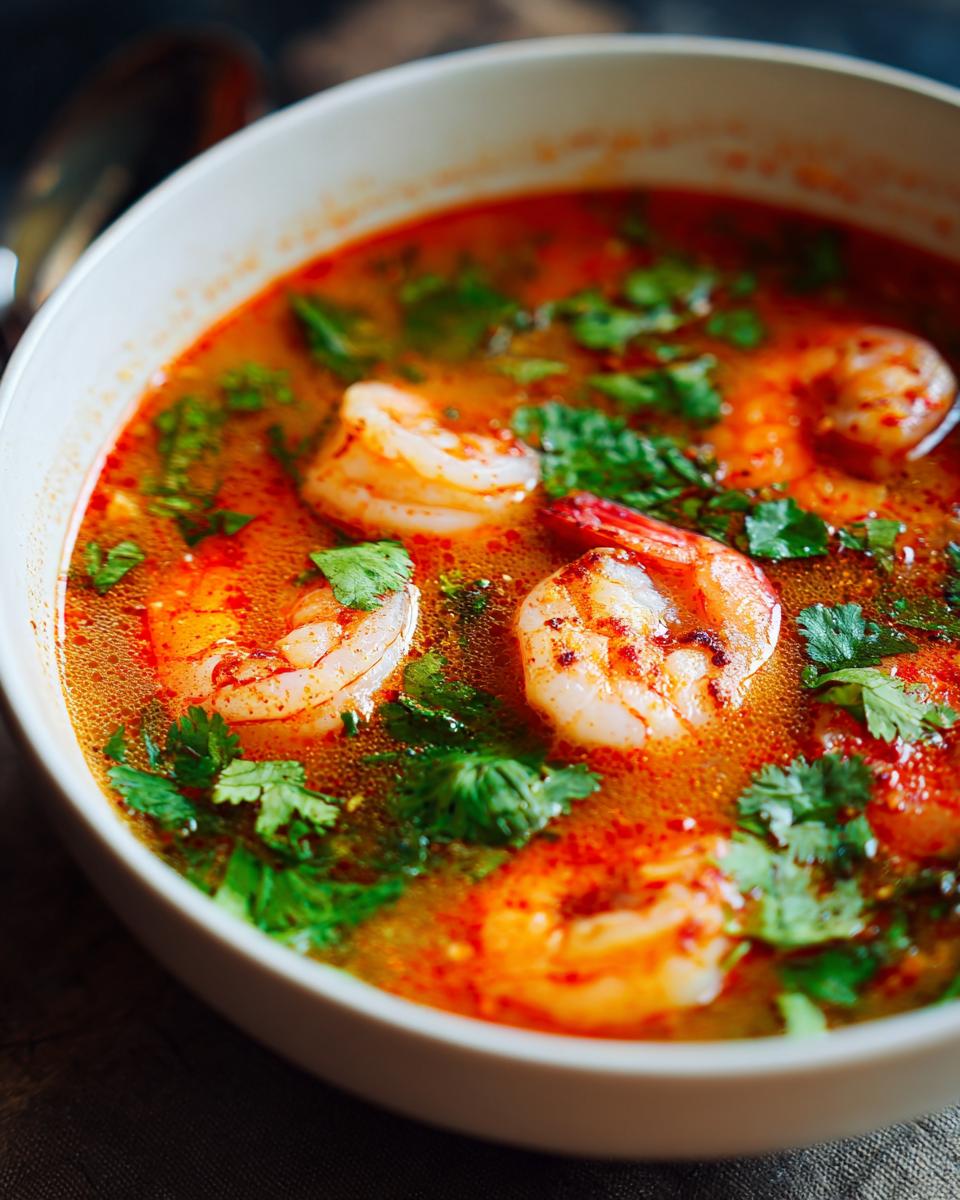
For those looking to try making tofu shine in a different way, you might love my recipe for Almond Butter Tofu. But if you want to see a genius approach to the vegan version of this broth, check out this great resource I found: Vegan Tom Yum Soup.
Serving Suggestions for Your Spicy Sour Soup
When you have a bowl of such intensely flavorful Spicy Sour Soup, you don’t want sides that fight it for attention—you want partners! The classic, foolproof pairing is a simple mound of perfectly steamed jasmine rice. The rice soaks up that gorgeous, slightly oily broth and cools the palate just enough between sips.
If you’re looking for something fresh to balance the heat, I highly recommend a side salad that’s tangy but light. I often whip up my Quick Tangy Marinated Cucumber and Tomato Salad. The cucumber adds a necessary crunch, and the vinegar tang echoes the lime in the soup without overwhelming it. It makes the whole meal feel incredibly fresh and balanced!
Storage and Reheating Instructions for Homemade Tom Yum Soup
Making this much flavor means you’ll definitely want leftovers, right? Store any extra tom yum soup in an airtight container in the fridge for up to three days. The shrimp might get a little tougher if you leave them in there too long, so keep an eye on that!
When you’re ready to eat the leftovers, please, please, please reheat gently on the stovetop over medium-low heat. If you boil it hard again, those poor shrimp will turn into little pencil erasers! Once it’s hot, give it a fresh squeeze of lime juice right before serving—that brightens up all the flavors again. If you need a great refresher on a pro way to handle shrimp, I found this great guide on making Tom Yum Goong that offers some smart tips, too.
Frequently Asked Questions About Tom Yum Soup
It is totally normal to have questions when you are dealing with new and exciting flavors like these! When I was first learning, I had about a million queries myself. Hopefully, I can clear up the most common things people ask about achieving that perfect, fiery, fragrant bowl of tom yum soup.
What is the difference between Tom Yum Soup and Tom Kha Soup?
This is the question I get asked constantly! They both share those incredible aromatics like lemongrass and galangal, which is why they taste related. The main difference is the texture and creaminess. Our recipe for tom yum soup is the classic clear broth version—it’s bright, intensely sour, and spicy, letting those herbs shine. Tom Kha, on the other hand, gets a healthy dose of coconut milk, which mellows the heat and creates a rich, creamy mouthfeel. If you want punchy and vibrant, stick to Tom Yum; if you want comforting and milky, go for Tom Kha.
How can I adjust the spice level in my Tom Yum Soup?
I like my soup to feel like a party in my mouth, but I know not everyone loves that intense heat! The easiest way to dial the spice up or down is by controlling the Thai chilies and, more importantly, the Thai chili paste (Nam Prik Pao). If you want it milder, use just one sliced chili, or skip them altogether, and only use one tablespoon of the paste. If you are daring and want it hotter than Hades? Add three sliced chilies and use the full two tablespoons of paste. Remember, you can always add more heat right at the end, but you can’t take it out!
Can I use chicken instead of shrimp in this recipe?
Yes, absolutely! Chicken is a fantastic stand-in, making for a truly robust, flavorful Thai soup. The process is the same, but you need to be mindful of the timing. Since raw chicken takes longer to cook than shrimp, add your bite-sized chicken pieces right after you infuse the broth with the herbs (Step 2). Let those simmer until they are completely cooked through—usually about 8 to 10 minutes—before you add the mushrooms and chili paste. Once the chicken is done, proceed exactly as written!
What should I do if I can’t find fish sauce for my soup?
Fish sauce provides that essential salty, umami depth that just sneaks up on you, but if you are vegetarian or just ran out, don’t panic! For a very similar salty punch, you can substitute the fish sauce with an equal amount of low-sodium soy sauce. If you’re worried about missing that funky depth, try adding a tiny drizzle of Worcestershire sauce—it often has enough savory notes to bridge the gap in a pinch. Just be sure to taste and adjust the added lime juice afterward because soy sauce can sometimes feel saltier than fish sauce.
If you ever need to reach out about recipe tweaks or anything else, please don’t hesitate to find my contact info right here: Contact Gourmet Gaze.
Estimated Nutritional Data for This Aromatic Thai Soup
Now, I have to give you the standard disclaimer here: because we are dealing with fresh ingredients and you are encouraged to adjust the saltiness and spicing to your own taste, these numbers are an estimate based on the recipe as written. When I made this batch for our photo shoot, this is what we calculated for a single serving of this deeply satisfying and aromatic Thai soup.
- Serving Size: 1.5 cups
- Calories: 150
- Fat: 3g
- Carbohydrates: 10g
- Protein: 21g
- Sugar: 3g
Keep in mind that if you add more oil for frying tofu or use a richer coconut milk base for a Tom Kha variation, those numbers will certainly shift! But for this classic, clear-broth tom yum soup, it’s a fantastic, light, yet protein-packed option for dinner.
PrintAuthentic Shrimp Tom Yum Goong (Hot and Sour Thai Soup)
Recreate restaurant-quality Thai flavor at home with this easy recipe for Tom Yum Goong. This soup delivers the perfect balance of hot, sour, and aromatic notes.
- Prep Time: 15 min
- Cook Time: 20 min
- Total Time: 35 min
- Yield: 4 servings 1x
- Category: Soup
- Method: Stovetop Simmering
- Cuisine: Thai
- Diet: Low Fat
Ingredients
- 6 cups chicken or vegetable broth
- 1 pound large shrimp, peeled and deveined
- 1 stalk lemongrass, tough outer layers removed, cut into 2-inch pieces, lightly bruised
- 4 thin slices galangal (or ginger if galangal is unavailable)
- 4 kaffir lime leaves, torn in half
- 1 cup straw mushrooms, halved
- 2 tablespoons Thai chili paste (Nam Prik Pao)
- 2 tablespoons fish sauce
- 1/4 cup fresh lime juice
- 1–2 Thai chilies, sliced (adjust to your spice preference)
- 1/4 cup chopped cilantro, for garnish
Instructions
- Bring the broth to a boil in a large pot over medium-high heat.
- Add the bruised lemongrass, galangal slices, and torn kaffir lime leaves to the boiling broth. Reduce heat and simmer for 10 minutes to infuse the flavors.
- Add the mushrooms to the broth and cook for 3 minutes.
- Stir in the Thai chili paste until it dissolves into the broth.
- Add the shrimp to the pot. Cook until the shrimp turn pink and opaque, about 2 to 3 minutes. Do not overcook.
- Remove the pot from the heat. Stir in the fish sauce and fresh lime juice. Taste the broth and adjust seasoning, adding more lime juice for sourness or fish sauce for saltiness.
- Stir in the sliced Thai chilies.
- Ladle the soup into bowls, ensuring each serving gets shrimp and broth. Garnish generously with fresh cilantro before serving immediately.
Notes
- For a richer flavor base, you can simmer the broth with shrimp shells for 15 minutes before removing them and proceeding with the recipe.
- If you cannot find kaffir lime leaves, use the zest of one lime, but the authentic aroma will be reduced.
- This recipe focuses on the classic hot and sour profile. For a creamy version (Tom Yum Nam Khon), stir in 1/4 cup of evaporated milk or coconut milk after removing the soup from the heat.
Nutrition
- Serving Size: 1.5 cups
- Calories: 150
- Sugar: 3
- Sodium: 750
- Fat: 3
- Saturated Fat: 1
- Unsaturated Fat: 2
- Trans Fat: 0
- Carbohydrates: 10
- Fiber: 1
- Protein: 21
- Cholesterol: 140