
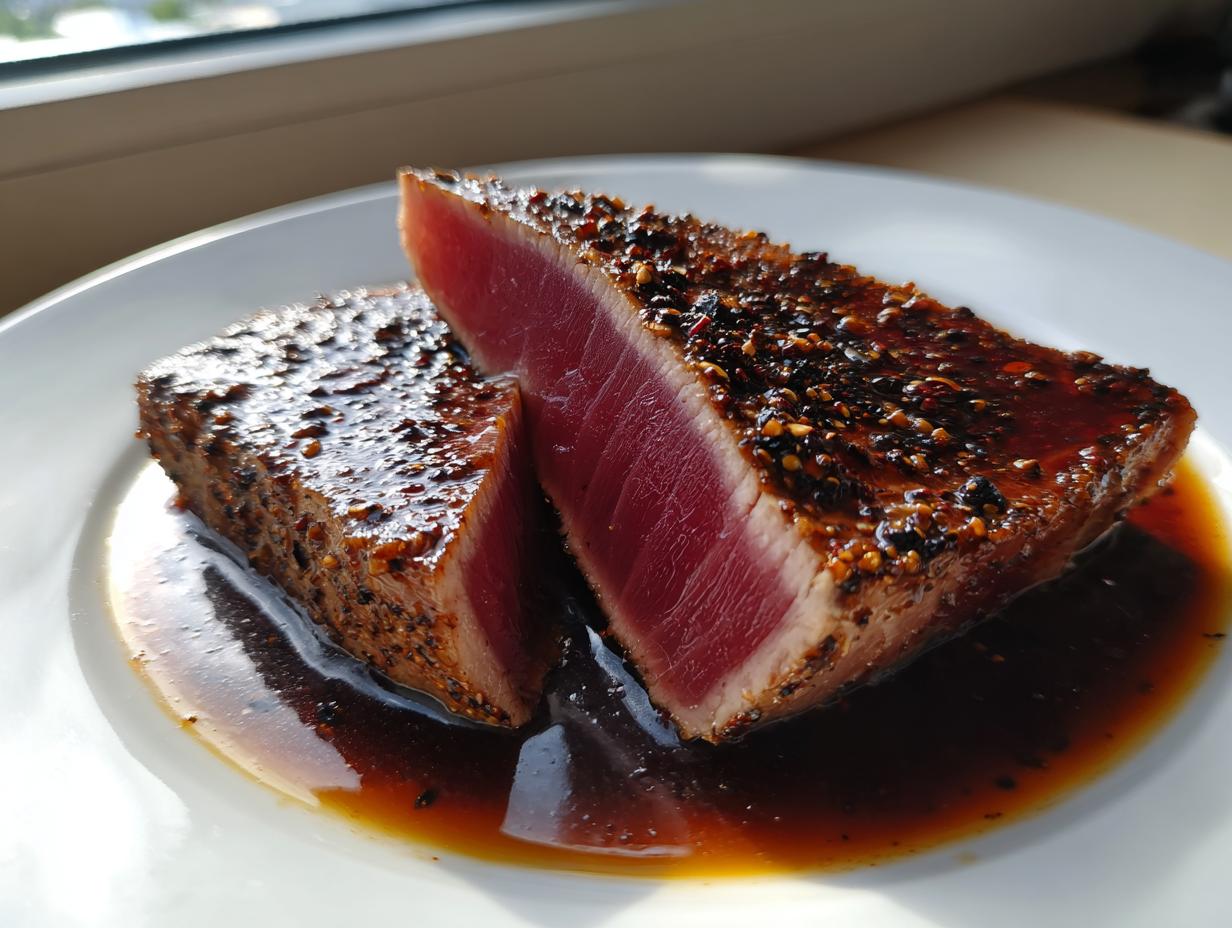

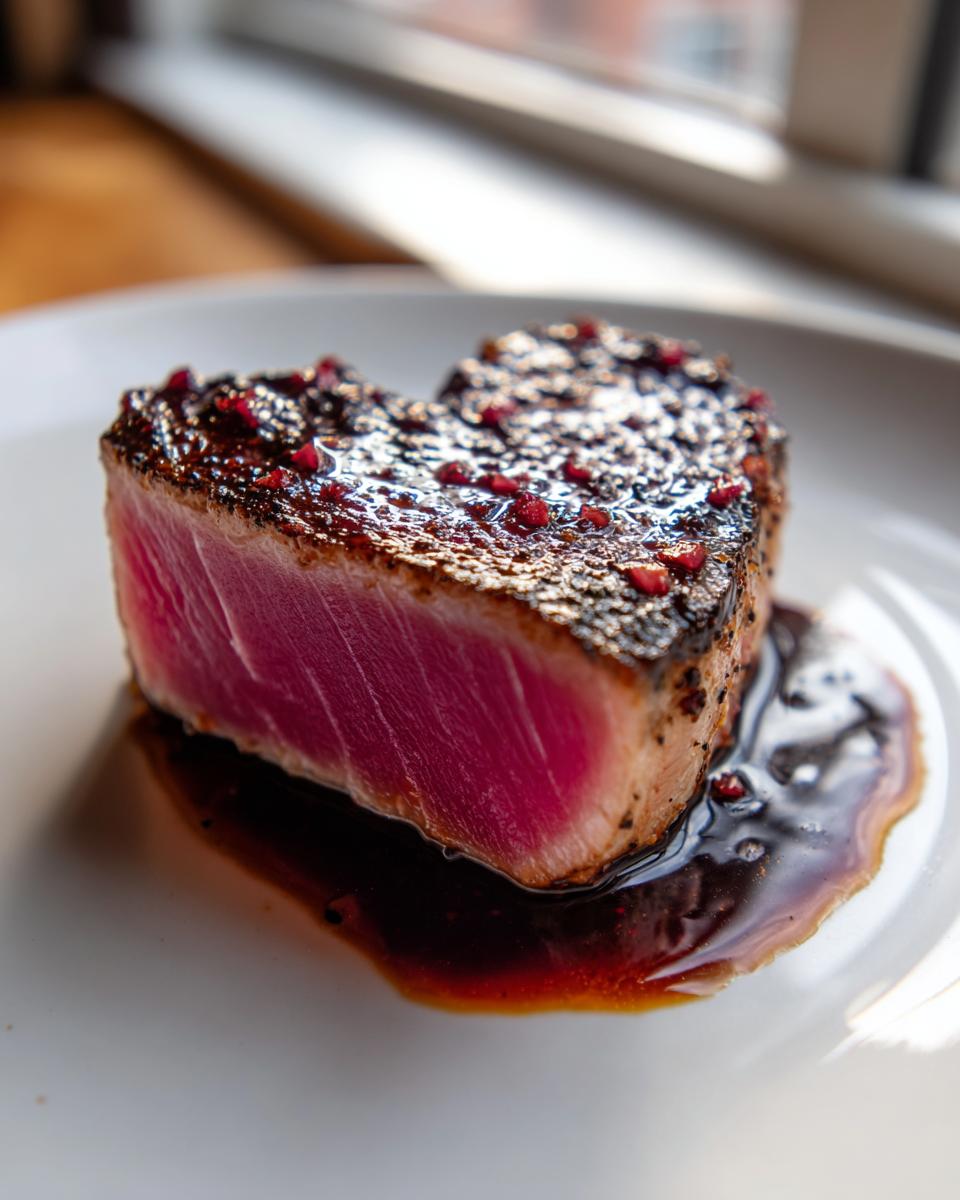
Remember that feeling when you sit down at a top-tier seafood spot, and they slide that perfectly seared tuna steak in front of you? The crust is dark, the inside is cool and ruby-red, and you wonder how they make it look so effortless. Well, I’m here to tell you that feeling isn’t reserved for reservations anymore. When I left the corporate grind behind, I swore I wouldn’t cook anything that took more than 20 minutes unless it was a weekend project. This Pan-Seared Tuna Steak with Soy-Ginger Glaze is the ultimate answer: it’s an incredibly high-protein dinner that genuinely delivers that restaurant quality, all ready before your takeout driver even arrives. Trust me, mastering the quick sear changes everything!
- Why This Perfect Pan-Seared Tuna Steak Recipe Works (Easy Tuna Dinner Ideas)
- Ingredients for Your Perfect Tuna Steak with Soy-Ginger Glaze
- Mastering the Best Tuna Steak Marinade and Prep
- How to Cook Tuna Steak: The Perfect Pan Sear Tuna Steaks Method
- Tuna Steak Cooking Tips for Restaurant Quality Tuna at Home
- Serving Suggestions for Your Quick Seafood Dinner
- Storage and Reheating Instructions for Leftover Tuna Steak
- Frequently Asked Questions About Cooking Tuna Steak
- Share Your Perfectly Seared Tuna Steak Experience
Why This Perfect Pan-Seared Tuna Steak Recipe Works (Easy Tuna Dinner Ideas)
Look, I get it—sometimes you need an elegant meal, but you don’t have two hours to fuss. That’s the beauty of this Tuna Steak Recipe. It hits all those major checkpoints people are searching for when they need a Quick Seafood Dinner. It transforms humble ingredients into something you’d happily pay twenty dollars for, and you’ll feel like a genius for making it so fast!
- It’s one of the best 15 Minute Tuna Recipes you’ll ever find. Fast cooking means less time hovering over the heat!
- We hit that sweet spot for incredible flavor without dirtying a hundred dishes.
- It’s a phenomenal stand-in for any Seafood Main Course when you’re counting macros.
Speed and Simplicity: Ready in Under 15 Minutes
The secret to keeping this a great, quick dinner idea is resisting the urge to over-manipulate the fish. The searing process for a beautiful High Protein Dinner like this Tuna steak is lightning fast. Because the internal temperature only needs to rise slightly to be perfectly cooked, that short time on the hot pan is non-negotiable. Don’t walk away!
High Protein Dinner That Impresses
When you can deliver a beautiful, Perfectly Seared Tuna experience in minutes, you win the weeknight dinner game. This isn’t just about speed; it’s about demonstrating what real, quality seafood tastes like. Seeing those deep brown crusts on your Tuna steak without spending hours on a Grilled Tuna Steak just feels like magic.
Ingredients for Your Perfect Tuna Steak with Soy-Ginger Glaze
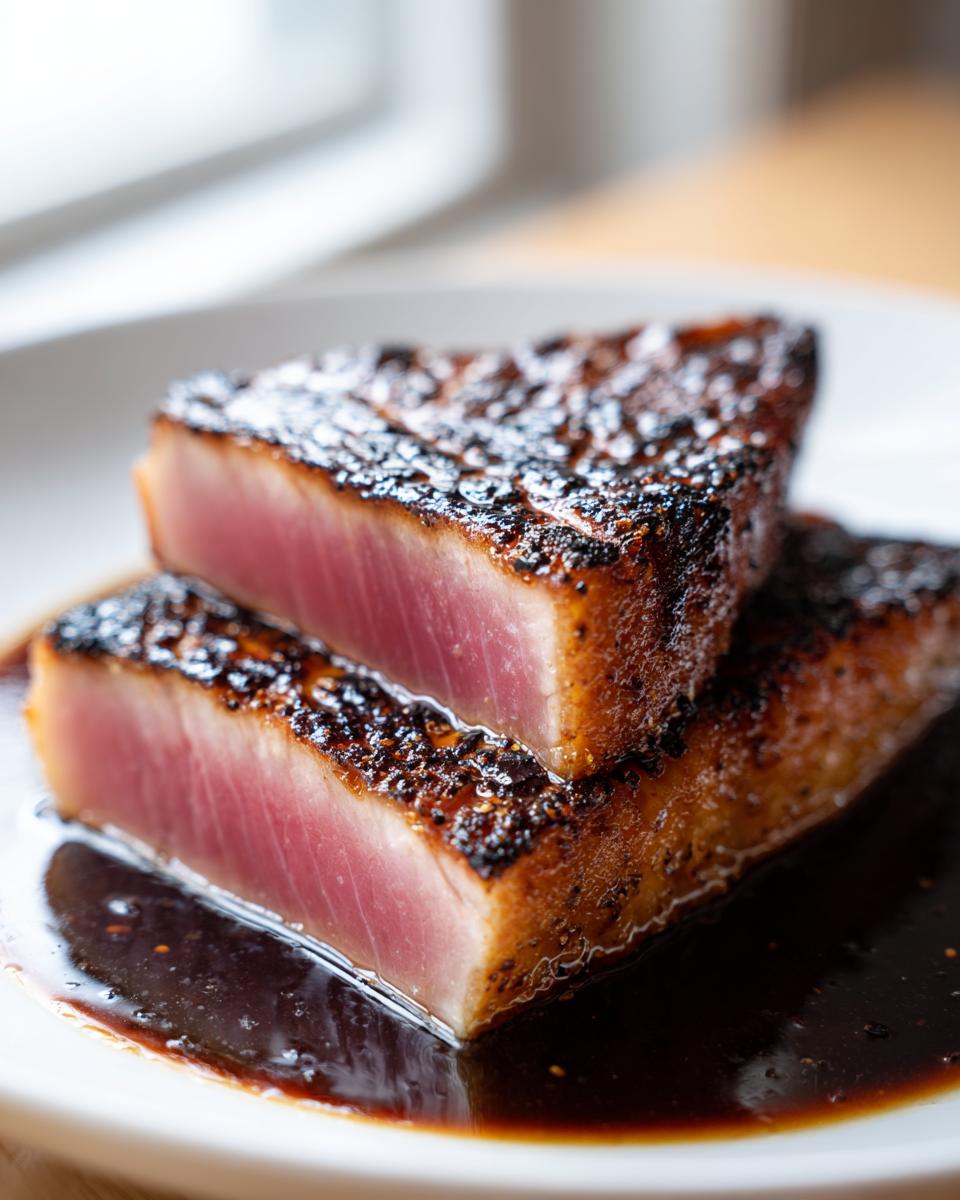
When it comes to an Ahi Tuna Recipe this straightforward, the quality of your main protein really shines through. Seriously, go to the fishmonger where you trust the sourcing. You want nice, thick steaks—about an inch is perfect for getting that signature rare center. Since we’re only searing these beauties, they don’t need a heavy treatment, just the right balance of salty, sweet, and savory.
Here’s everything you’ll need to pull this spectacular Tuna Steak Dinner together. It’s mostly pantry staples, which is why I love it so much for last-minute meals!
- Tuna Steaks: 2 steaks, aiming for about 6 ounces each and approximately 1 inch thick. Don’t skimp here; buy the best quality you can find!
- Olive Oil: 1 tablespoon. This is your main workhorse for getting that high heat needed for the sear.
- Sesame Oil: 1 teaspoon. This brings that fantastic nutty aroma crucial to the Asian flavor profile.
- Soy Sauce: 1/4 cup, please use low-sodium. We don’t want our Tender Tuna Steak to turn into a salt lick!
- Honey: 1 tablespoon. This is what allows the glaze to caramelize gorgeously on the outside of the fish.
- Fresh Ginger: 1 teaspoon, finely grated. Fresh is a must here; the bottled stuff just doesn’t have the same spice kick.
- Garlic: 1 clove, minced. Don’t use too much—just enough to add depth.
- Black Pepper: 1/2 teaspoon. Freshly cracked, unless you’re feeling lazy, but fresh pepper makes a difference!
Mastering the Best Tuna Steak Marinade and Prep
Alright, listen up, because this step—the prep work—is where 90% of home cooks mess up their beautiful Tuna steak. We are aiming for that sought-after crust—the kind that makes people ask where you ordered your Pan Sear Tuna Steaks from. To get it, the fish needs to be bone dry. If there’s moisture hanging around on the surface, the pan gets distracted and steams the fish instead of searing it. It’s the foundational rule of achieving Perfectly Seared Tuna! Grab those paper towels, and be thorough!
Once the steaks are dry, we infuse them with flavor. For this recipe, we’re using the glaze ingredients as our direct flavor application, but this technique works wonders with any of the Best Tuna Steak Marinade options out there. I love how this soy-ginger concoction penetrates just enough without overpowering the tuna’s natural flavor. Check out my deep dive on creating the ultimate flavor boost for tuna steaks if you want to swap this out later; just remember to look at great resources like this one for inspiration on the best marinade for tuna steak!
The Technique Behind a Tender Tuna Steak
First things first: dry those steaks. I mean really dry. Pat them down firmly. Imagine you are trying to remove every single drop of water clinging to the surface. This commitment to a dry exterior is your ticket to success for this Soy Glaze Tuna Steak.
Next, get that little bowl ready for the glaze. Whisk everything together—the low-sodium soy sauce, the honey for caramelization, the grated ginger (fresh, please!), the minced garlic, and the pepper. This is your flavor bomb! You don’t need to let this sit for hours, which is fantastic when you’re aiming for 15 Minute Tuna Recipes. We apply the flavor right at the end, allowing the searing heat to do the heavy lifting by setting that crust.
We’re keeping the fish naked on the pan—no marinade coating it while that pan heats up. That’s the trick to preventing steaming and ensuring that gorgeous Maillard reaction happens quickly. Remember: Dry surface, raging hot pan. That’s How to Cook Tuna Steak like a pro!
How to Cook Tuna Steak: The Perfect Pan Sear Tuna Steaks Method
Okay, this is the moment of truth for your Tuna steak! We are going for that perfect sear that gives you texture on the outside while keeping the inside cool and delightful. The key here is heat. You need a heavy skillet—cast iron is my absolute favorite for this because it holds heat so well and distributes it evenly. Get that pan heated over medium-high heat. Add your olive oil and the tiny bit of sesame oil. Wait until you see those oils just start to shimmer. If you see wisps of smoke, you’re probably too hot, so back it off just a hair. We want sizzling, not burning!
Once the oil is ready, place those dry steaks gently into the pan. Listen for that immediate, satisfying sizzle! That sound tells you you’ve done the prep right. For a beautiful, restaurant-quality sear, you are only looking at about 1.5 to 2 minutes per side for that blissful rare or medium-rare center. I know, it feels too fast, but that’s exactly why this works for such an easy tuna dinner. Don’t move them around while they are searing; let the heat build that crust!
Achieving the Ideal Sear on Your Tuna Steak
The temperature of your pan is critical for Pan Sear Tuna Steaks. Medium-high is your friend here. Remember how I said the oil should shimmer? That’s the visual cue. If the oil is barely warm, the tuna will soak it up and get greasy, not seared. If it’s smoking like a chimney fire, it will incinerate before it sears. Place the steaks down, give them room—don’t crowd the pan—and let physics do the work for about 90 seconds. Flip them over and sear the second side.
Finishing the Tuna Steak with Glaze and Rest Time
Once both sides look perfectly crusted—maybe a beautiful mahogany color—take the skillet right off the heat. That’s important! Now, pour your prepared soy-ginger glaze right over the hot steaks sitting in the residual heat of the pan. That warmth thickens the honey and soy mixture just enough to cling perfectly to the fish. Don’t put it back on the burner unless you specifically want a thicker sauce, which I cover later. Let the Tuna steak rest right there in the pan for about 60 seconds. This short rest lets the glaze set beautifully. If you’re looking for more pro tips on achieving that perfect texture, check out what folks are learning over at Simple Glow Meals!
Tuna Steak Cooking Tips for Restaurant Quality Tuna at Home
You’ve nailed the sear, but maybe you want to push this Tuna steak into another flavor dimension next time? That’s fine by me! Part of what I learned on my journey from corporate burnout to this kitchen table is that the best recipes are springboards. They give you a solid, dependable base—like this glaze—so you feel confident experimenting with heat and seasoning. These little tweaks are how we go from ‘good dinner’ to ‘Wow, did you really make that?’
How to Achieve a Blackened Tuna Steak Crust
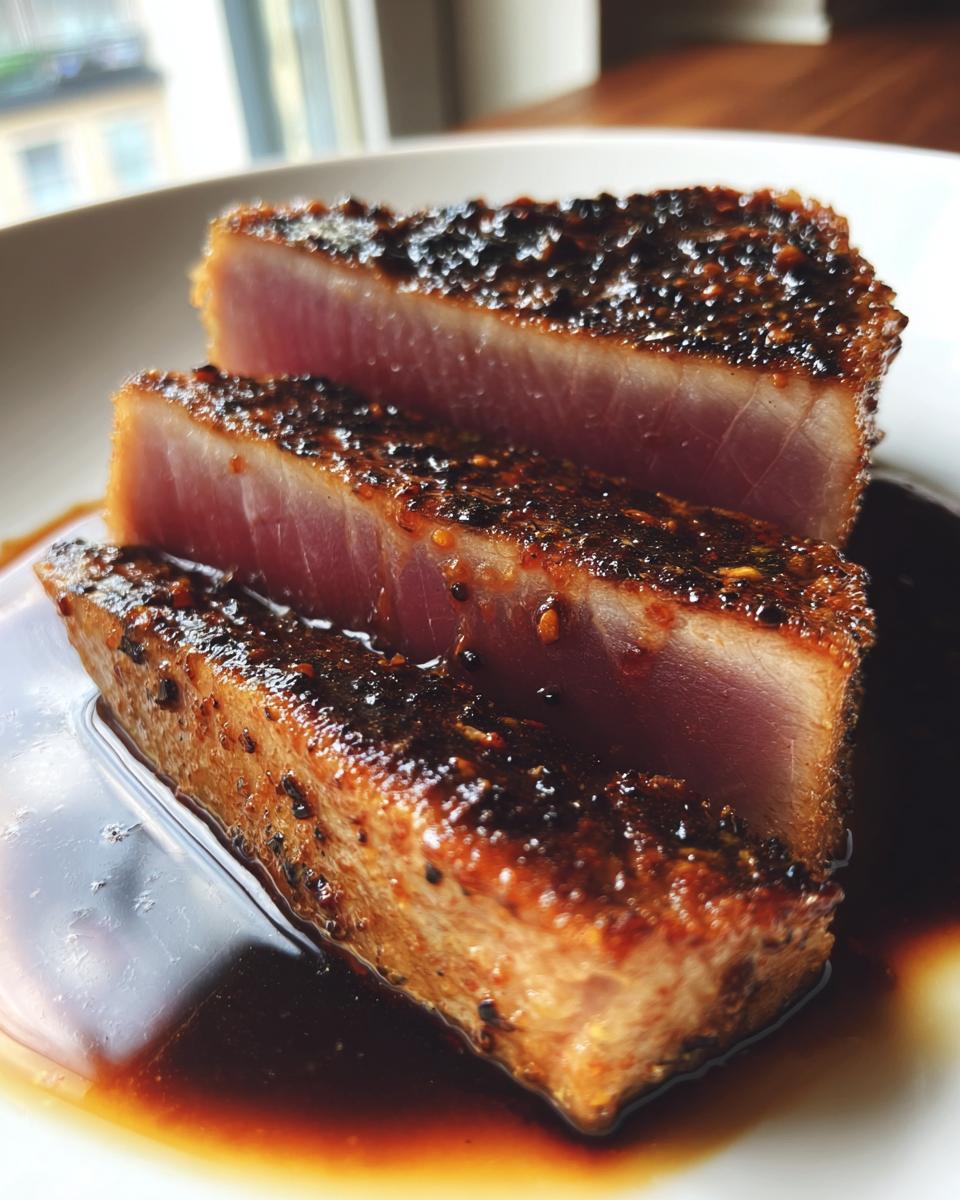
If you’re craving something with a serious, spicy kick, turning this into a Blackened Tuna Steak is so simple it feels like cheating. Instead of just patting the fish dry before oiling the pan, you’re going to coat the outside generously with seasoning first. Mix up about a tablespoon of your favorite Cajun spice blend—you know, the stuff that’s heavy on paprika and cayenne. Rub that seasoning mixture all over the outside surfaces of your steaks before they hit the hot oil.
When that spice hits the hot pan, it instantly forms a beautiful, savory crust. Just be aware that the spices might burn faster than the plain fish, so keep a closer eye on the clock—maybe drop that sear time down by twenty seconds per side. It’s a fantastic way to try something different without needing a whole new recipe; just think of it as a flavor upgrade to this base Tuna Steak Recipe. You can check out my full thoughts on building that heat profile right here at my guide to blackened tuna, or see how others tackle the intense flavor over at Viral Cooking.
Adjusting the Glaze Thickness
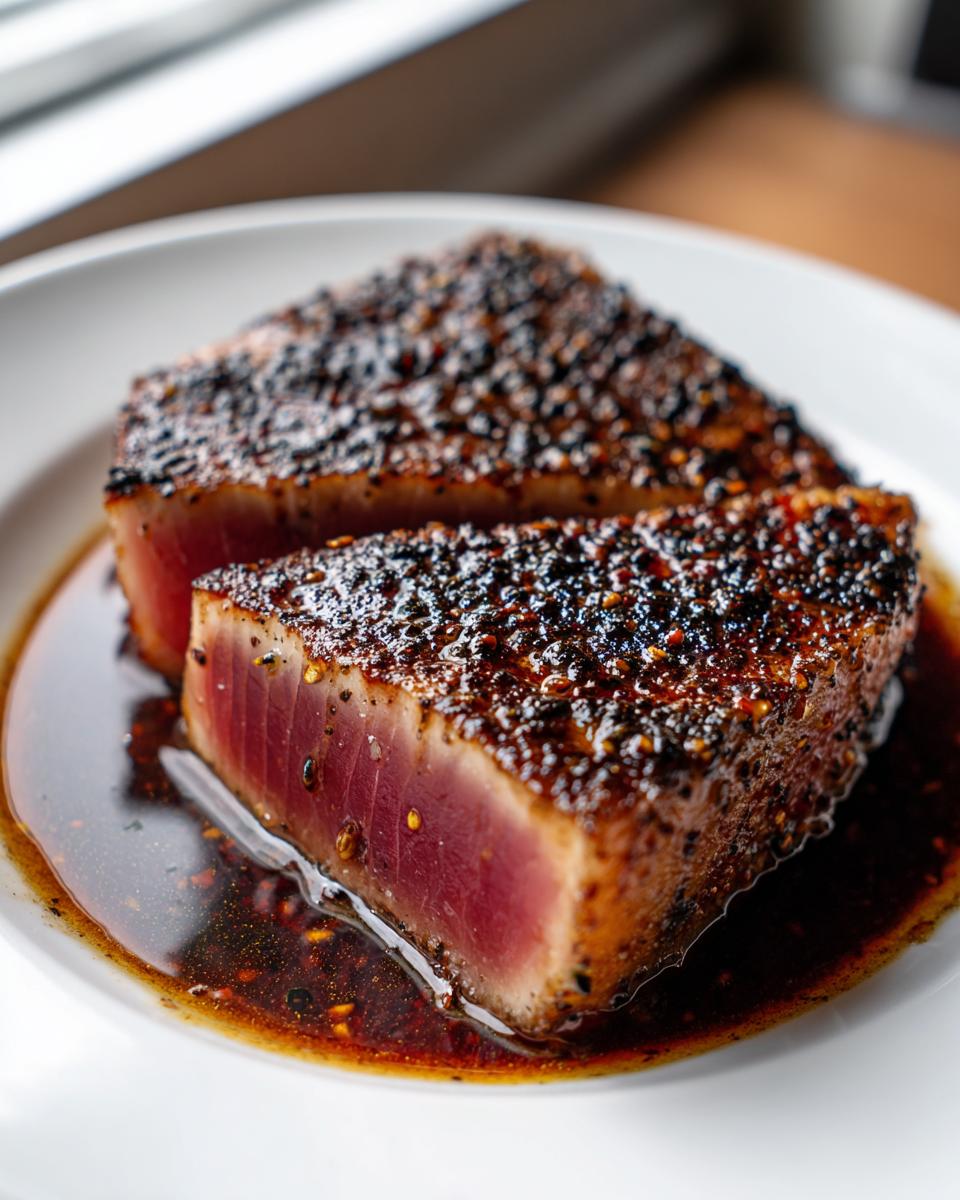
My method calls for pouring the glaze right over the fish in the pan after you pull it off the heat. The residual warmth thickens it slightly, making it cling perfectly. But what if you wanted a seriously thick, almost syrupy sauce to drizzle? Maybe you plan to serve this with rice and want something substantial clinging to every grain.
For a thicker sauce, simply pull the pan off the heat after searing, then carefully pour the glaze mixture into a separate, small saucepan. Simmer that sauce over medium heat for about two minutes, stirring constantly until it reduces and thickens to your liking. Then, pour *that* thickened sauce over your rested Tuna steak. It’s a little extra step, but it gives you total control over the final texture of your Soy Glaze Tuna Steak!
Serving Suggestions for Your Quick Seafood Dinner
So, you’ve pulled off that perfect sear, and that gorgeous soy-ginger glaze is melting slightly over your perfectly cooked Tuna steak. Amazing! But what about the rest of the plate? Because this dish is so light, flavorful, and high in protein, you want sides that complement the Asian flair without weighing everything down. I always lean toward something bright and slightly acidic to cut through that richness. You want a complete meal, but we certainly don’t want to spend another 30 minutes in the kitchen, right?
When I’m plating this up, I treat it like a piece of fine dining at home, even if I’m wearing pajama bottoms. The goal is contrast in color and texture. Here are the things I almost always pair with this Quick Seafood Dinner.
- Steamed Asparagus: This is my go-to. A quick steam, a tiny drizzle of sesame oil, and a sprinkle of sea salt. It adds that crucial green color and a lovely snap that contrasts the soft fish.
- Simple Rice Bed: You can whip up some plain white rice or even quicker, microwave pouches of brown rice. The rice is the perfect carrier for soaking up those last little bits of glaze left on your plate.
- Bright, Tangy Salad: You absolutely need some acidity! I love a simple salad made of thinly sliced cucumbers and sweet cherry tomatoes tossed in rice vinegar and a pinch of sugar. If you’re interested in something similar, I have a great Quick Tangy Marinated Cucumber Salad recipe that would be phenomenal here. It keeps the meal light and refreshing.
- Quick Sautéed Bok Choy: If you have an extra three minutes, slice up some bok choy and toss it quickly in the same pan after you remove the fish (wipe out any burnt bits first!). That slight bitterness balances the sweetness of the honey in the glaze perfectly.
Don’t forget, if you get stuck on ideas, sometimes just looking at what others serve with their fish is helpful! There’s a fantastic roundup of Tuna Steak Side Dishes out there that I browsed when planning this myself. The key takeaway is: keep the sides simple, fresh, and fast, so the star of the show—your perfectly seared Tuna steak—gets all the attention!
Storage and Reheating Instructions for Leftover Tuna Steak
Let’s be honest: the very best version of this Tuna steak is the one you eat seconds after you pull it off the heat. That delicate texture and the warmth of that glaze—you just can’t replicate it perfectly the next day. Tuna is an incredible protein, but it’s one that truly shines when served immediately. Because we are dealing with a quick sear, any leftovers need to be handled carefully to maintain both safety and quality.
When it comes to leftovers, my advice is always to aim to eat it the same day. But if you absolutely have a piece left over—maybe you made a bigger batch for lunch prep—here’s how to store it safely. Pop it into a clean, airtight container as soon as it has cooled down slightly after resting. Don’t leave it sitting on the counter for more than two hours; food safety is non-negotiable, even when we’re trying to fit high-protein meals into busy schedules!
When you go to reheat it, here’s the tough love: don’t really reheat it in the microwave looking for that searing effect again. You will inevitably end up with dry, overcooked fish. Instead, treat leftovers as a completely new dish! I love slicing the cold, leftover Tuna steak very thinly and tossing it cold onto a fresh salad the next day, maybe with a squeeze of fresh lime instead of the original glaze. If you absolutely must have something warm, use the lowest setting on your oven for just a few minutes, or gently warm the slice in a dry, non-stick pan for about 30 seconds a side. Honestly, though? Straight from the fridge onto a bed of greens is where it truly redeems itself!
Frequently Asked Questions About Cooking Tuna Steak
I always get so many questions when readers try this recipe for the first time, mostly because searing something so quickly feels a little risky! But don’t worry, we are tackling all those little doubts right here. Getting a really high-quality Tuna steak shouldn’t require a culinary degree. It just needs the right technique. Here are the main things I hear people asking about when they are trying to perfect their Grilled Tuna Steak or pan-seared versions.
What is the best type of fish for a Tuna Steak Recipe?
For the absolute best results when trying to achieve that restaurant-style sear, you want the most dense, firm cuts possible. Ahi tuna, which is scientifically Yellowfin tuna, is truly the king here. Bigeye tuna is a close second—both hold up beautifully to that high, fast heat we use for searing and allow you to keep that cool, rosy center. If you see it labeled as ‘sushi-grade,’ that’s usually a good indicator of freshness and quality required for these types of Ahi Tuna Recipes. Avoid any tuna steak that looks pale or mushy; that’s a sign it might not handle the heat well.
Can I use this recipe for Grilled Tuna Steak?
Oh, absolutely! The beauty of the soy-ginger marinade is that it works just as well over hot coals as it does in a cast iron pan. The process is almost identical. Make sure your grill grates are meticulously clean and well-oiled so you don’t have any sticking incidents. You’ll probably need to grill it for maybe 30 seconds longer per side than the pan-sear, just because direct heat can fluctuate a bit more than a skillet surface. It gives you a wonderful smoky element, too!
How do I know when my Tuna Steak is perfectly seared rare?
This is the scary part for beginners! You don’t want any thermometer readings here; you just want visual cues and a quick touch test. For a rare Tuna steak, you are looking for a deep, dark brown crust, almost black in spots if you hit the seasoning perfectly, but the center should still look like rich, uncooked red meat. When you gently press the steak with tongs or a spatula, it should feel firm on the outside but yield significantly when you press deeper. If it springs back immediately, it’s medium or more, and we definitely don’t want that for this recipe!
Share Your Perfectly Seared Tuna Steak Experience
I truly hope you’ve stepped away from the world of spreadsheets and deadlines—even if just for the 13 minutes it took to make this meal—and found some real joy bringing this fantastic Tuna steak to life in your own kitchen. When I started Gourmet Gaze, I wanted this space to be more than just my own testing ground; I wanted it to be a gathering spot for cooks who appreciate how incredible food can be when it’s both beautiful and approachable.
Now that you’ve nailed that perfect sear and drizzled that soy-ginger glaze, I would absolutely love to hear about it! Did you go for the blackened variation? Did your kids finally stop ordering takeout and ask for this Seafood Main Course again? Tell me everything. Your feedback helps me know which recipes to refine and which new ideas to explore next!
Take a moment to rate this recipe right down below—a simple five stars tells readers that this quick, Healthy Tuna Meal is worth their time. And if you snapped a picture of that gorgeous crust, please share it on social media and tag me! Seeing your creations reminds me every day that we are all capable of making something truly stunning, even on a busy weeknight. Thank you for cooking with me today. Happy feasting!
PrintPerfect Pan-Seared Tuna Steaks with Quick Soy-Ginger Glaze
Make restaurant-quality tuna steaks at home in under 15 minutes. This recipe uses a simple soy-ginger marinade for a perfect sear and tender center.
- Prep Time: 5 min
- Cook Time: 8 min
- Total Time: 13 min
- Yield: 2 servings 1x
- Category: Dinner
- Method: Pan Searing
- Cuisine: American
- Diet: Low Fat
Ingredients
- 2 (6-ounce) tuna steaks, about 1 inch thick
- 1 tablespoon olive oil
- 1 teaspoon sesame oil
- 1/4 cup low-sodium soy sauce
- 1 tablespoon honey
- 1 teaspoon fresh ginger, grated
- 1 clove garlic, minced
- 1/2 teaspoon black pepper
Instructions
- Pat the tuna steaks completely dry with paper towels. This step helps achieve a good sear.
- In a small bowl, whisk together the soy sauce, honey, grated ginger, minced garlic, and black pepper to create the glaze.
- Heat the olive oil and sesame oil in a heavy-bottomed skillet, such as cast iron, over medium-high heat until the oil shimmers.
- Carefully place the tuna steaks in the hot skillet. Sear for 1.5 to 2 minutes per side for rare to medium-rare. Adjust time based on your desired doneness.
- Remove the skillet from the heat. Pour the soy-ginger glaze over the tuna steaks in the pan. The residual heat will thicken the sauce slightly.
- Let the tuna rest in the pan for 1 minute before serving immediately.
Notes
- For a blackened tuna steak effect, mix 1 tablespoon of your favorite Cajun seasoning into the dry rub before searing.
- If you prefer a thicker sauce, simmer the glaze in a separate small saucepan for 2 minutes before pouring it over the rested fish.
- Serve this high protein dinner with steamed asparagus or a fresh green salad for a complete meal.
Nutrition
- Serving Size: 1 steak
- Calories: 310
- Sugar: 8
- Sodium: 650
- Fat: 12
- Saturated Fat: 2
- Unsaturated Fat: 10
- Trans Fat: 0
- Carbohydrates: 10
- Fiber: 0
- Protein: 40
- Cholesterol: 75